
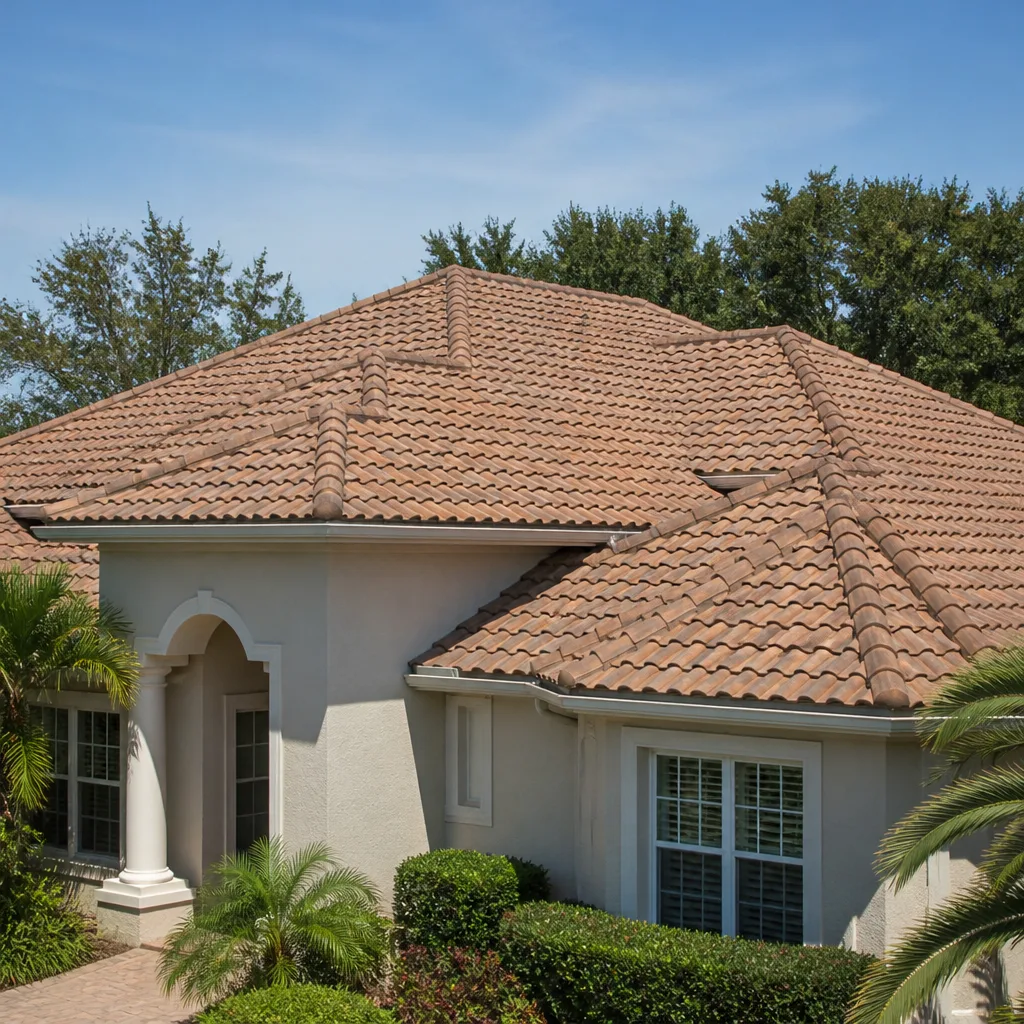
 Tile roofing
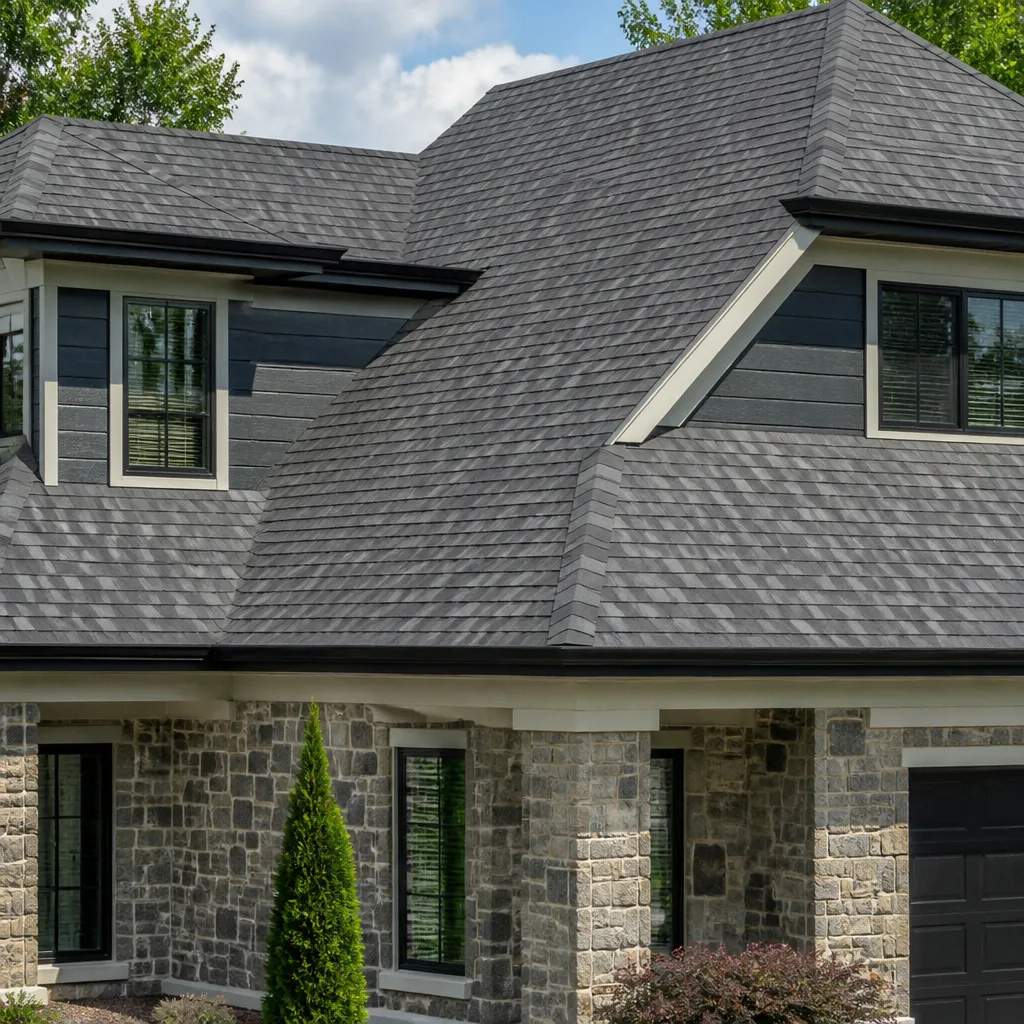 Architectural shingles
 GAF
GAF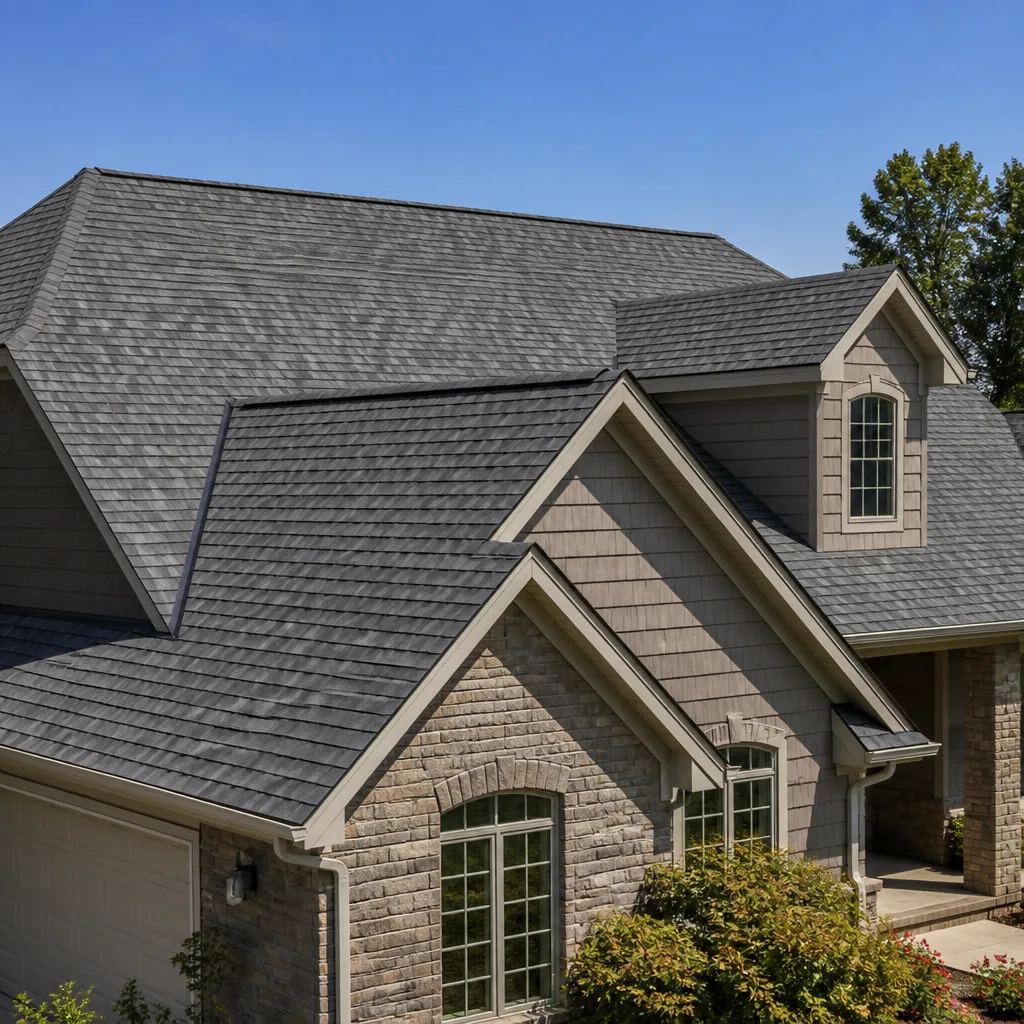 Owens Corning
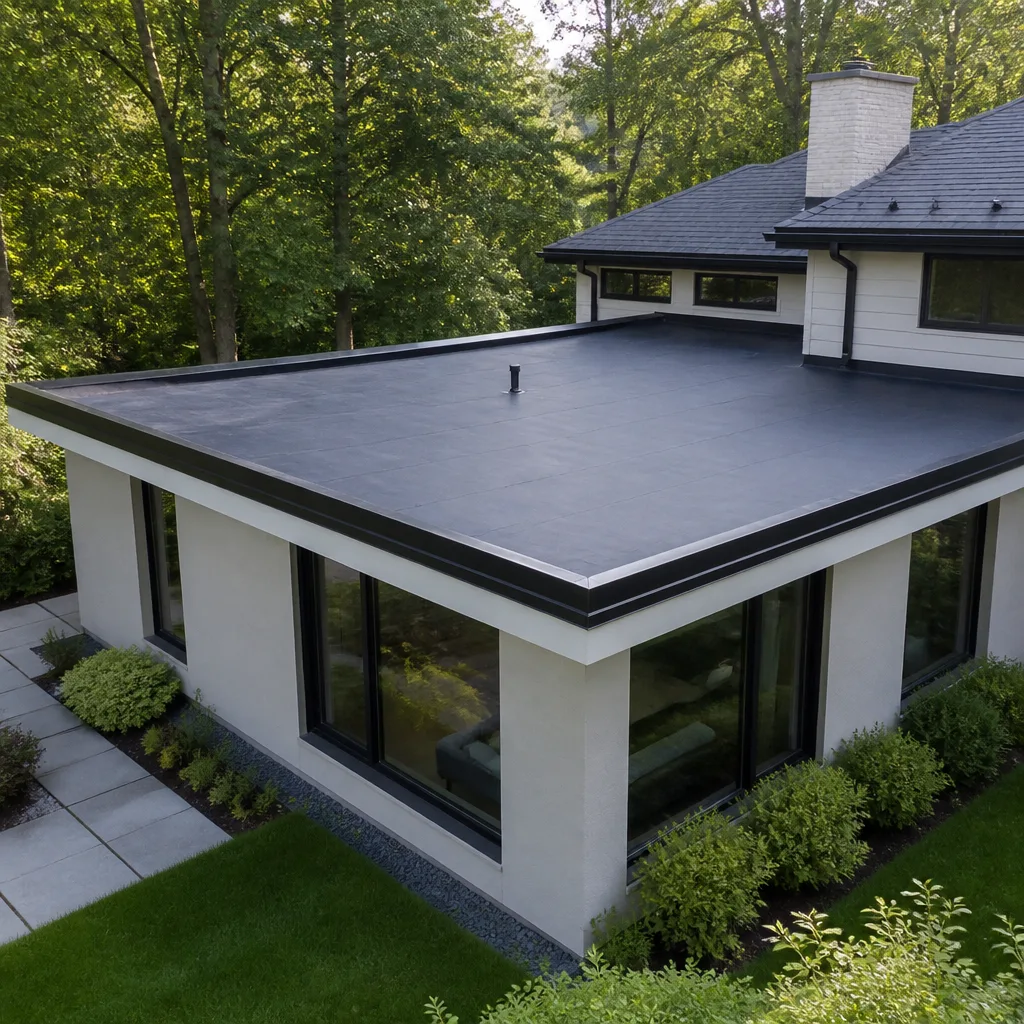 Flat & low-slope
Free roof inspection with deck photos before we talk money - GAF and Owens Corning certified installation
IKO Flashing Replacement: The Ventura Owner’s Guide
We stock and install IKO-compatible flashing replacements across Ventura, and most residential flashing jobs run between $350 and $750 installed, depending on the flashing type and how much of the surrounding roof needs to be opened up. We carry step flashing, pipe boot flashing, valley flashing, and wall/counter flashing that works with IKO shingle systems, and we can usually have a crew out the same week you call. Most Ventura homeowners discover they need new flashing after a water stain shows up on a ceiling or exterior wall following a heavy rain, or when they spot rusted, lifted, or missing flashing during a gutter cleaning. It’s rarely the shingles that failed first. It’s the metal at the transitions.
Key Takeaways
- Installed IKO flashing replacement in Ventura typically costs $350 – $750 depending on flashing location and extent
- Most jobs are completed in one visit, often in under four hours
- We stock IKO-compatible flashing on the truck, so there’s no waiting on a parts order
- You get a written price before any work starts, and the job is covered by our 365-Day Done Right Promise
- Birchbark Roofing Ventura is an independent roofing contractor, not affiliated with IKO
Which IKO Models This Applies To
Flashing isn’t specific to one IKO shingle line the way a ridge cap or starter strip is. The same step flashing and pipe boots work across IKO’s Cambridge, Dynasty, Nordic, and Royal Estate series, as well as their older Marathon and SuperEagle lines still found on many Ventura roofs. What matters is the flashing material, the profile, and how it was originally installed, not the shingle name printed on the wrapper. If you have the original paperwork, great. If not, we can identify what’s on your roof from the ground and during the initial inspection.
One compatibility gotcha we see regularly in Ventura: IKO’s Nordic line is a heavier, thicker shingle, and if the original installer used flashing with too shallow a profile, the shingles sit proud of the metal and water creeps underneath. When we replace flashing on a Nordic roof, we verify the flashing height matches the shingle thickness before we order or pull anything off the truck. On the OEM-versus-aftermarket question: IKO doesn’t manufacture its own flashing. They specify galvanized steel, aluminum, or copper flashing profiles that meet their installation specs. We use code-compliant flashing that matches or exceeds those specs, and we’re upfront about the brand name on the metal before it goes in. You’ll see it on your written quote.
Styles & brands we work with
Signs Your IKO Flashing Replacement Is Failing
- Water stains on ceilings or walls near chimneys, dormers, or roof valleys: Flashing is the transition point where water moves from the roof plane to something vertical. When the seal fails, water follows gravity straight into the house. Stains that appear only after heavy rain are the classic tell.
- Rusted or corroded flashing visible from the ground or gutter: Galvanized flashing lasts 20 to 30 years in Ventura’s salt air before the zinc layer gives out. Once rust appears, pinholes follow, and pinholes leak.
- Lifted or curled step flashing along a wall: When caulk dries out and flashing pulls away from the siding, wind-driven rain gets funneled behind it. We see this a lot on older craftsman homes in Midtown where original flashing was never replaced during re-roofs.
- Granules from your IKO shingles clogging gutters in unusual concentrations: This usually signals a larger roof issue, but failing valley flashing can accelerate shingle wear by holding water against the shingle edge longer than it should.
- Loose or missing pipe boots around plumbing vents: Vent pipe flashing has a rubber collar that degrades in California sun within 10 to 15 years. If you can see cracks in the rubber from the ground, the metals probably still fine, but the seal is gone.
Replacement Cost & What’s Included
On the job, most Ventura flashing replacements run $350 to $750 installed. That’s parts and labor together, not a parts-only price with labor added somewhere you didn’t expect. A pipe boot replacement sits on the low end, usually $350 to $450, because it’s a single piece and quick to swap. Step flashing along a chimney or wall runs $500 to $750, because we’re pulling shingles back, replacing the flashing course by course, and re-sealing everything. Valley flashing is the biggest variable: if the valley metal is rusted through, we’re often replacing a 20- to 30-foot run and re-nailing shingles on both sides.
What drives the price up: chimney scaffolding, steep pitch, two-story access, or discovery that the flashing failure rotted the underlying plywood. We’ll know most of that before we start, and if we find rot, we stop and show you what we found. You get a written line-item price before any work begins, always. It’s not optional, it’s how Erik runs every job. And the work itself is covered by our 365-Day Done Right Promise: if it’s not right, we make it right.
See the difference
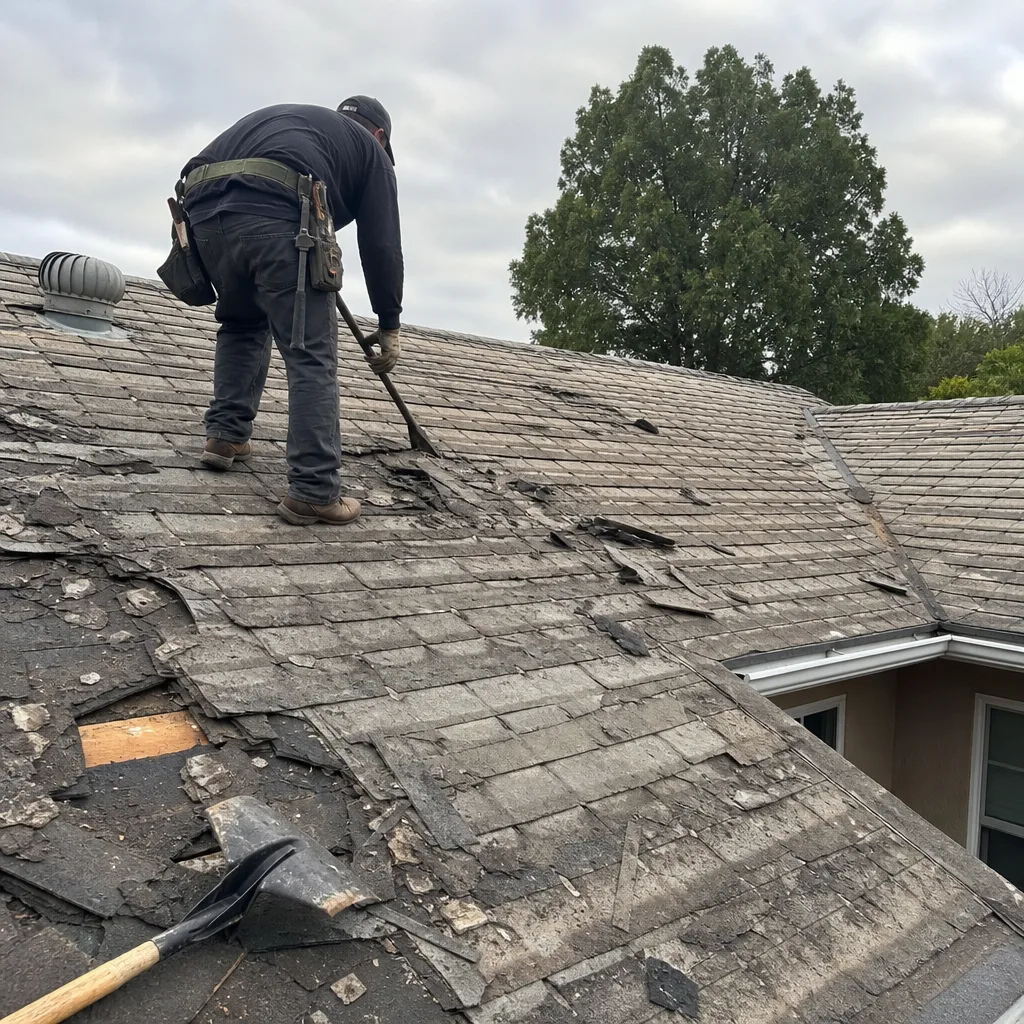 Before
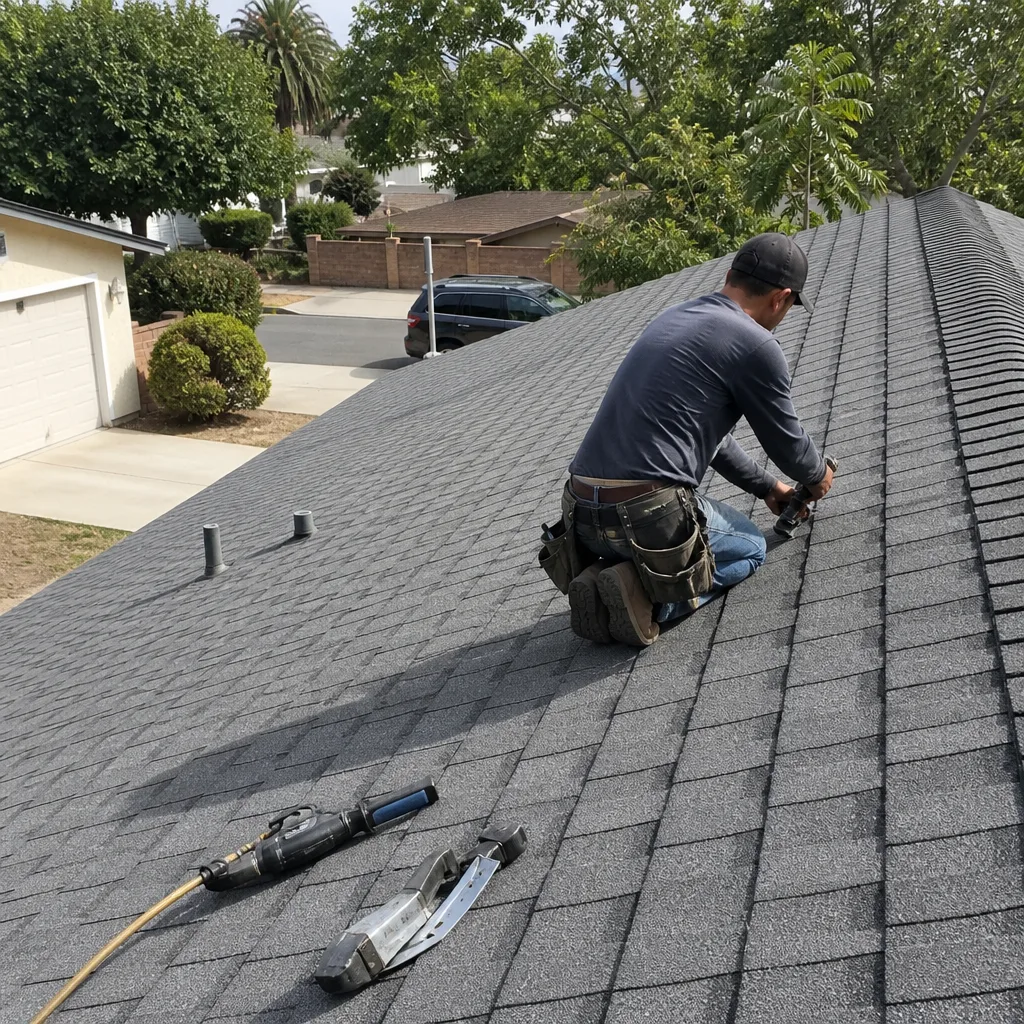 After
After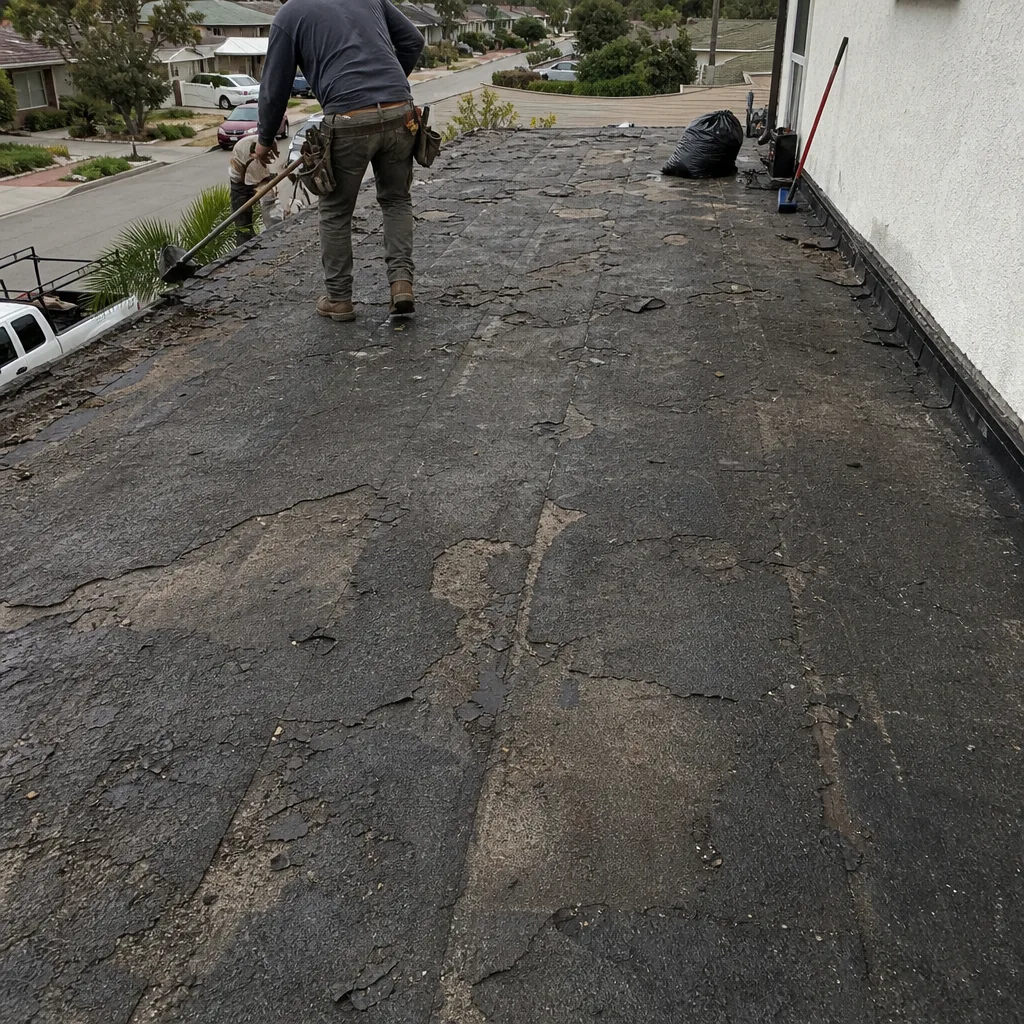 Before
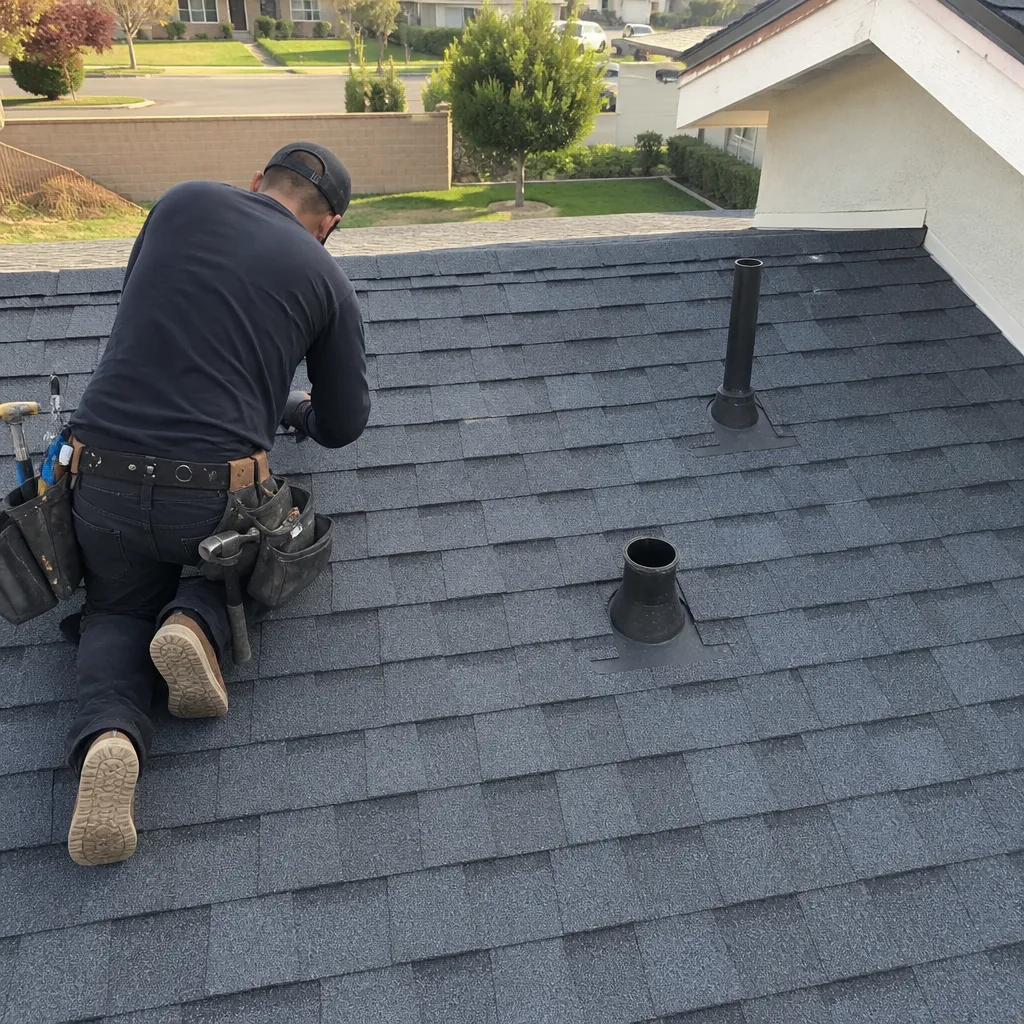 After
After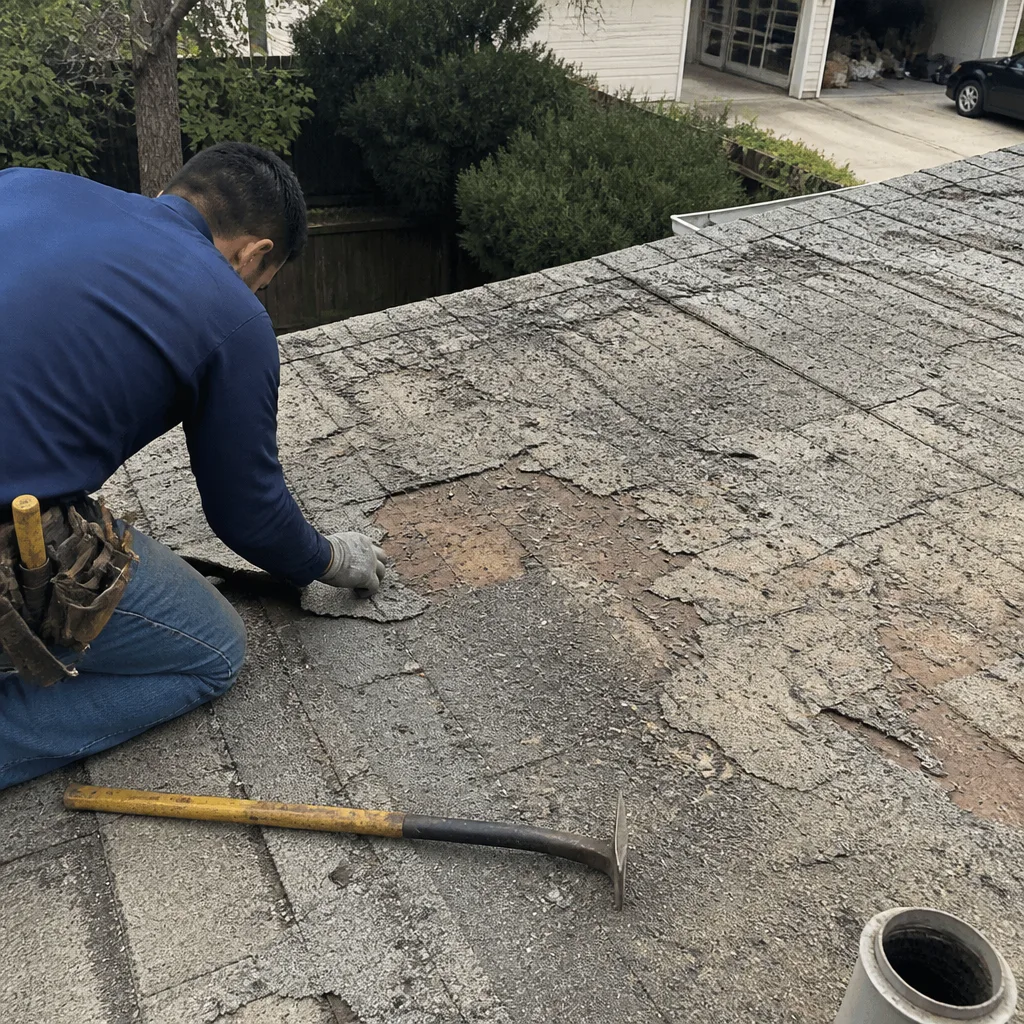 Before
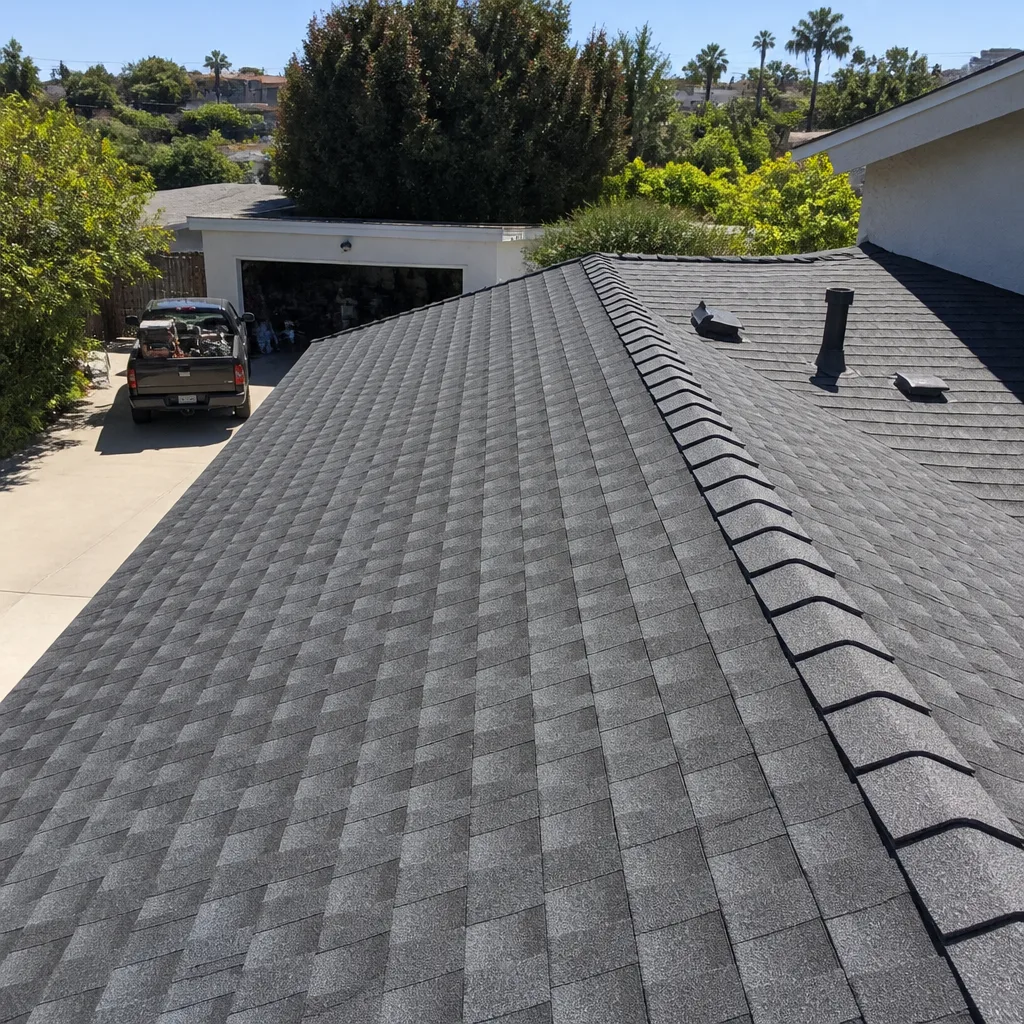 After
AfterDIY or Call Us?
Flashing failure is a diagnosis problem more than a replacement problem. What you can safely do from the ground or a ladder: look for lifted metal, cracked pipe boot rubber, or rust streaks. Take photos with your phone and note which section of the roof it’s on. What we don’t recommend: pulling up shingles to get a closer look. The shingles around flashing are nailed and sealed, and lifting them without the right technique tears the nail line and creates leaks where you didn’t have any. Same for re-caulking flashing from a ladder: the problem is usually behind the metal, not at the caulk line you can see. Flashing on a two-story Ventura home adds fall risk on top of everything else, especially on damp mornings when the marine layer leaves everything slick. If you’re not sure, call us at (350) 240-5534 and we’ll come look. A roof should outlast the paperwork, so we make sure both are done right.
FAQs
Galvanized steel flashing typically lasts 20 to 30 years in Ventura’s coastal climate; aluminum lasts 30 to 40 because it won’t rust the same way. Salt air and the marine layer cut the lifespan short compared to inland California, especially on flashing faces that get direct morning fog exposure.
Small sections around a pipe boot can sometimes be resealed with a new rubber collar, but step and valley flashing almost always needs full replacement once the metal has rusted or lifted. Patching is temporary in our experience. Call (350) 240-5534 and we’ll tell you honestly which one you’re looking at.
A pipe boot is a 30-to-60-minute job. Step flashing along a chimney typically runs two to three hours. Valley flashing on a steep Ventura roof can take half a day. We’ll give you a time window on your written estimate and stick to it.
We stock galvanized and aluminum step flashing, pipe boots, valley metal, and counter flashing on our trucks, so most jobs get done same visit. If your home needs copper flashing or a custom profile, we’ll tell you before the quote, not after the shingles come off.
Get a Written Price Before You Decide
If you’ve got a suspicious stain, visible rust, or a flashing section that just looks wrong, call us at (350) 240-5534 for a free estimate. We’ll come out, walk the roof, and hand you a written number in dollars before any work starts. Shoe covers at the door, drop cloths through the hallway, a photo of the clean-up before we leave. That’s the Birchbark way in every Ventura neighborhood we work, from Midtown to the Keys to Foothill. And we work with GAF, Owens Corning, and CertainTeed flashing and roofing systems too, if your project ever needs more than IKO.
Written by Erik Lindgren, Owner, Birchbark Roofing Ventura at Birchbark Roofing Ventura, serving Ventura and nearby areas.