
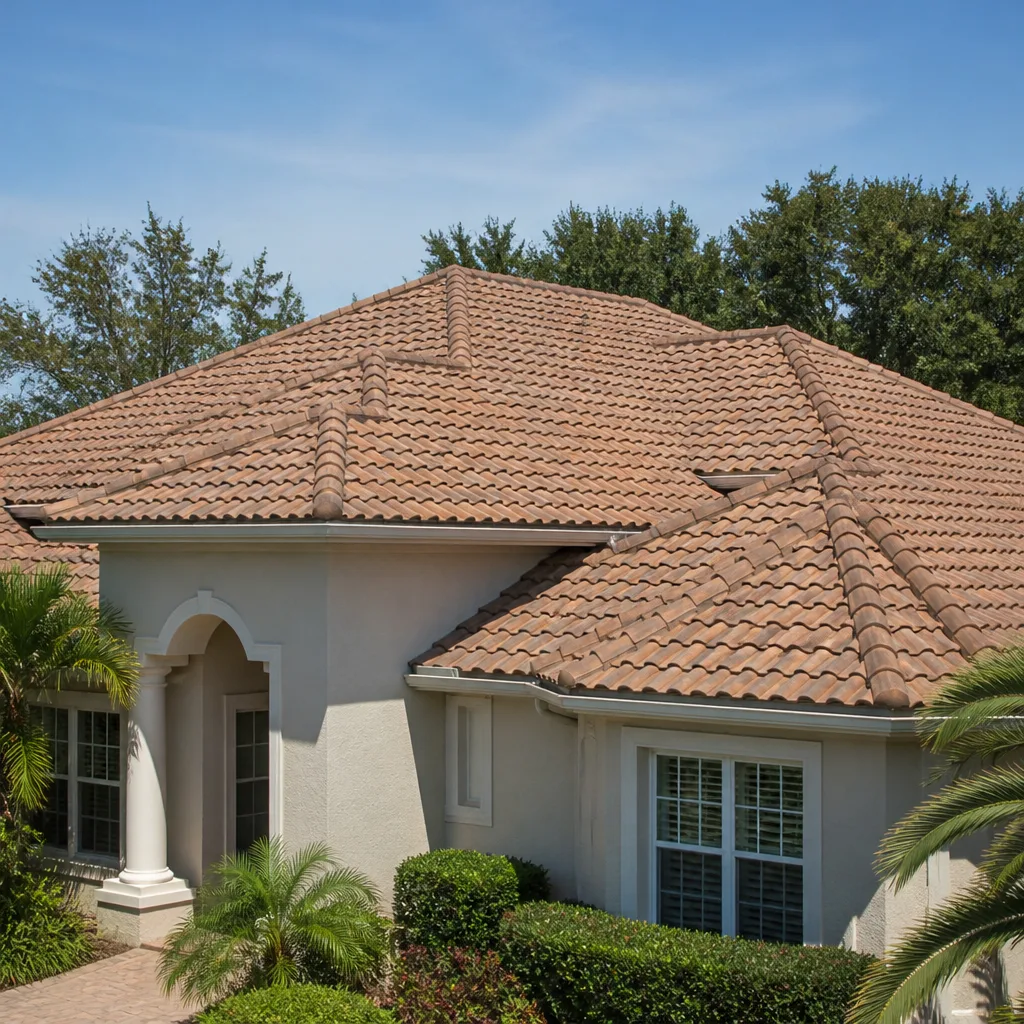
 Tile roofing
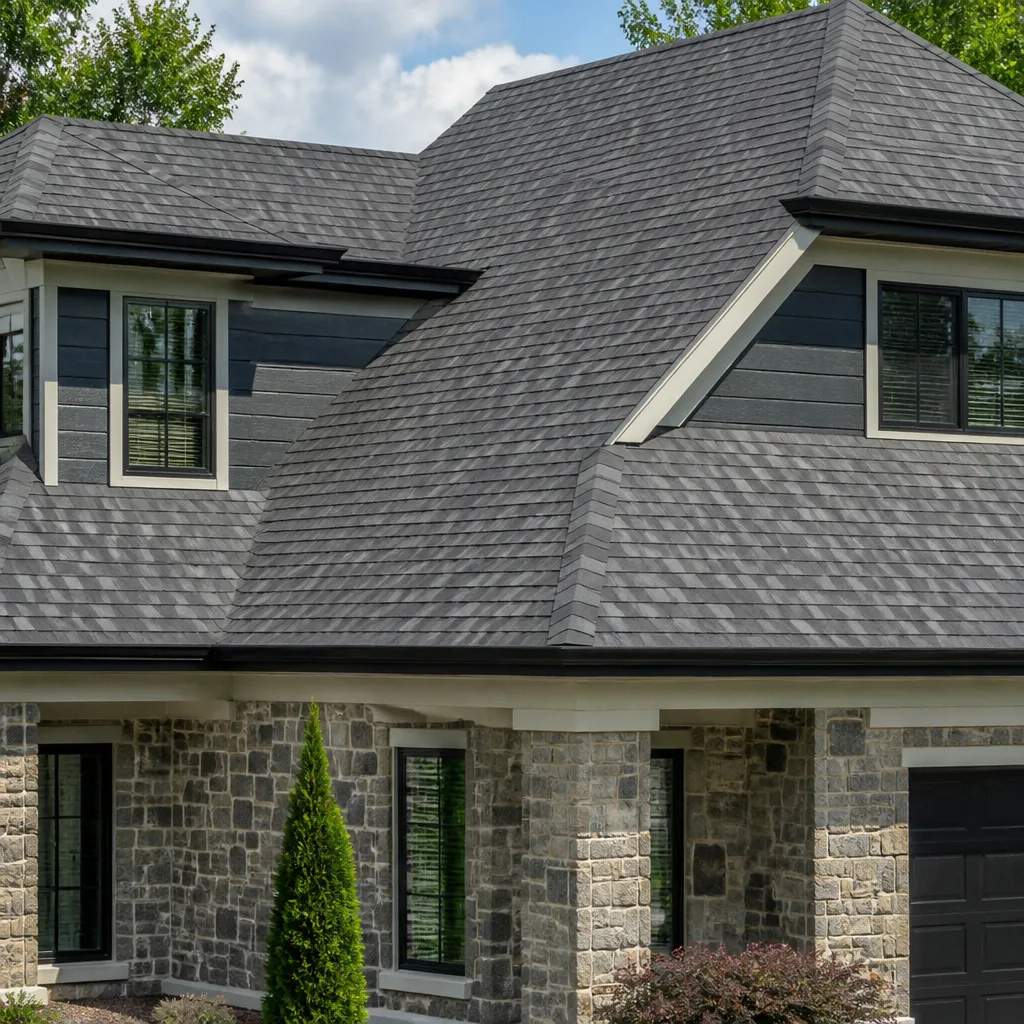 Architectural shingles
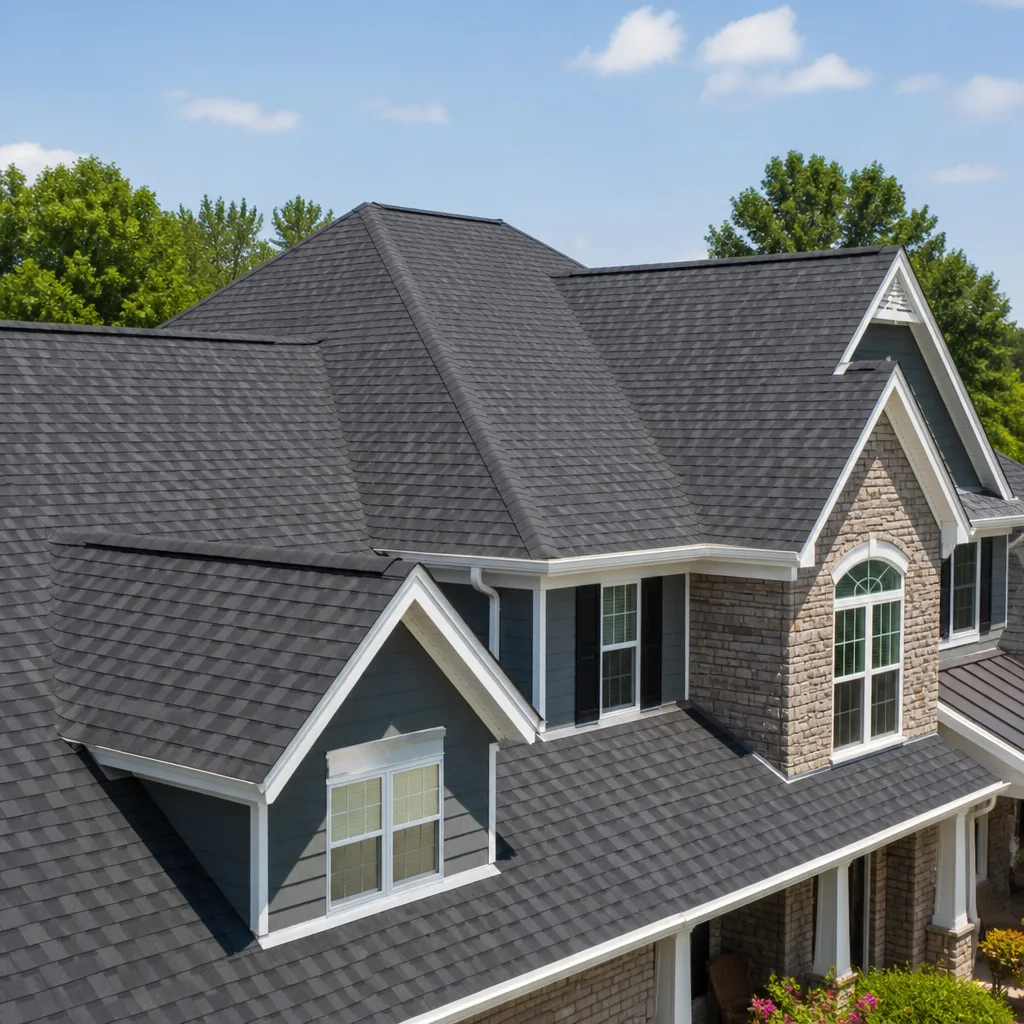 GAF
GAF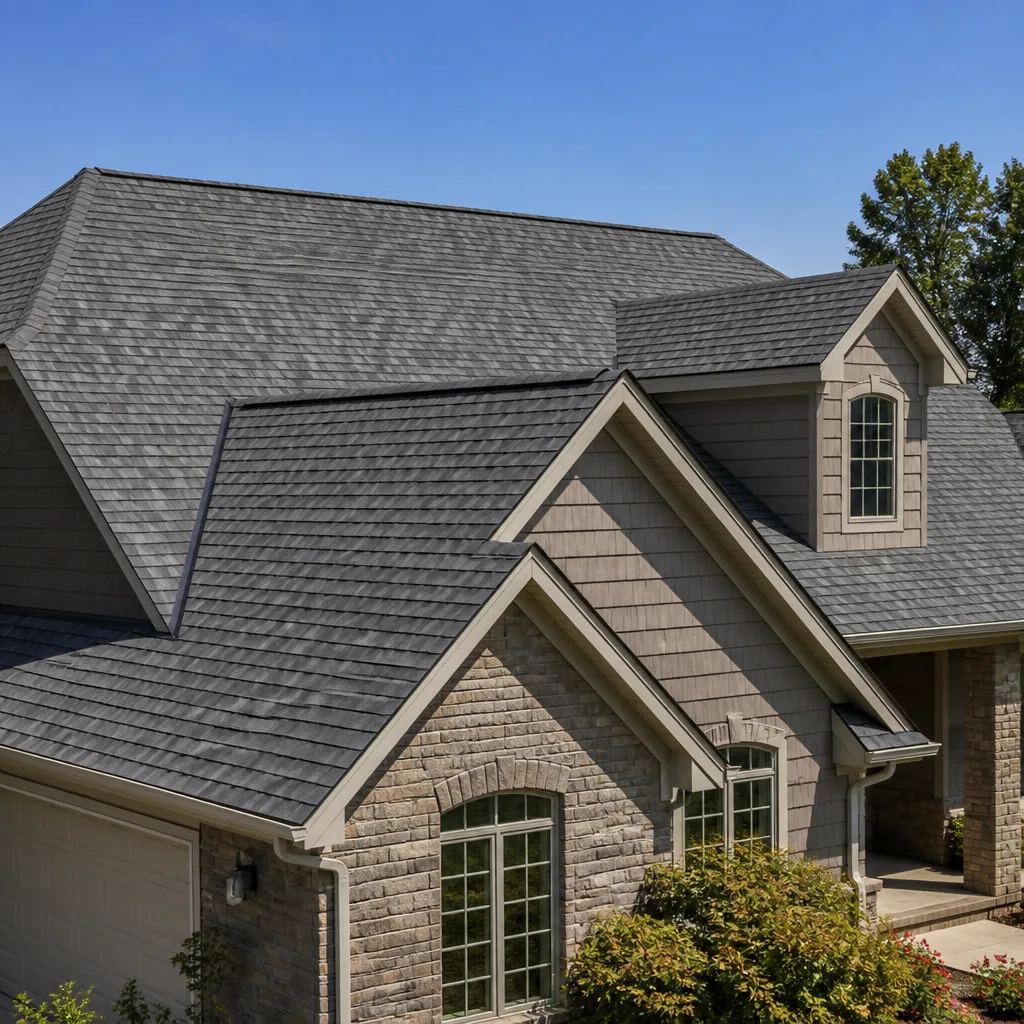 Owens Corning
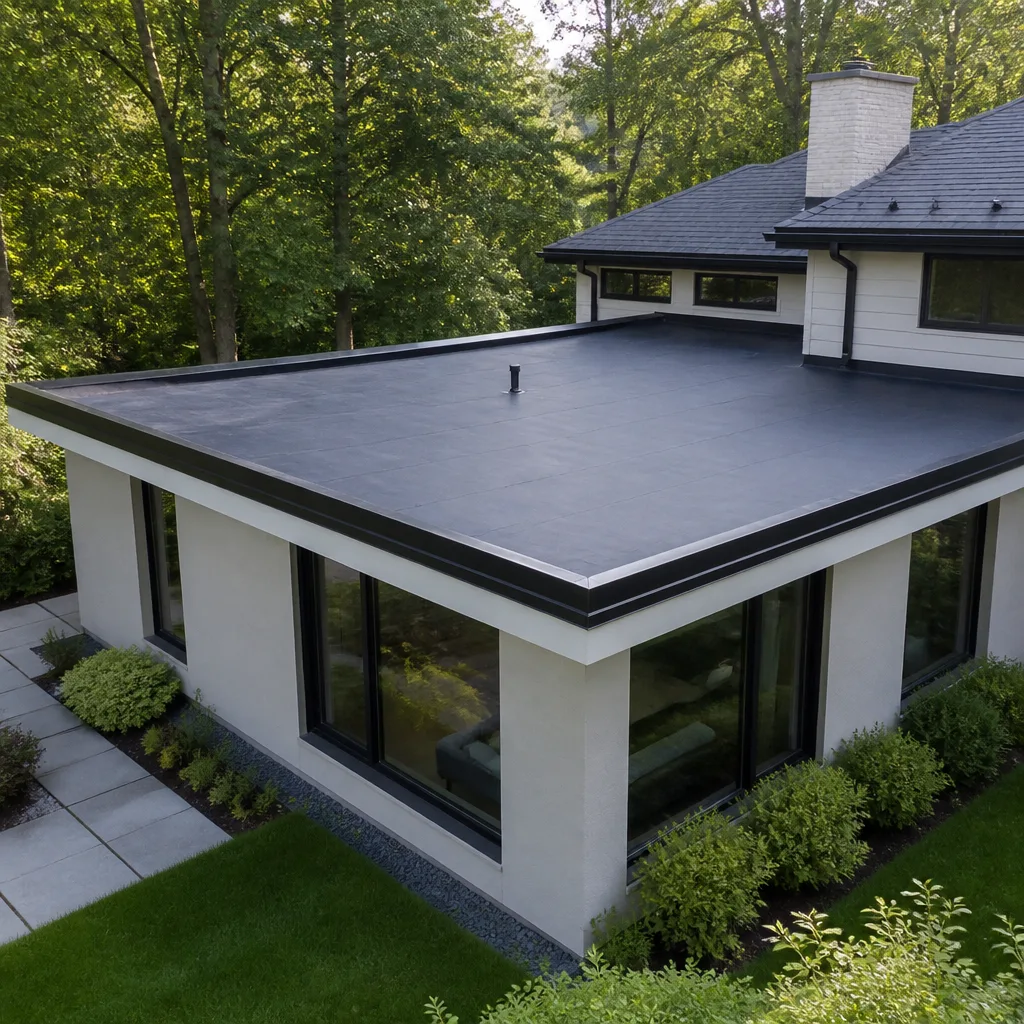 Flat & low-slope
Free roof inspection with deck photos before we talk money - GAF and Owens Corning certified installation
Atlas Ridge Vent Installation: The Ventura Owner’s Guide
We install Atlas-compatible ridge vent systems throughout Ventura, and most jobs run between $620 and $1,150 installed depending on linear footage, roof pitch, and whether old venting needs removal. If your Atlas ridge vent has cracked, lifted, or started leaking at the ridge line, we can usually get it replaced within a few days of your call. You’ll see your exact number in writing before any work starts, not after the crew is already on your roof.
Most homeowners discover a failed ridge vent the hard way: a water stain on the ceiling near a hallway or bedroom wall, or a sudden spike in attic heat during Ventura’s September hot spells. Ridge vents sit at the very top of the roofline where heat, marine-layer moisture, and UV exposure all converge. When the vent material degrades, water follows the path of least resistance straight into the attic.
If you’re reading this, you probably already know the vent is compromised. What you need now is someone who knows the Atlas product line well enough to match the replacement correctly the first time. That’s exactly what Erik Lindgren and our crew handle regularly across Ventura, from Midtown to the college area and out toward the Saticoy corridor.
Which Atlas Models This Applies To
Atlas manufactures two main ridge vent profiles that we see on Ventura roofs: the Atlas Signature line and the Atlas WeatherMaster line. The Signature uses a molded shingle-over profile with an internal weather filter, while the WeatherMaster is a roll-out vent with a baffled external profile. They are not interchangeable. The shingle-over Signature requires a narrower ridge slot than the WeatherMaster, and mixing the two means either inadequate airflow or a vent that sits proud of the shingle line and catches wind.
The fastest way to identify what you have is to check the underside of the vent or the end cap. Most Atlas vents carry a small embossed part number on the end cap, typically starting with ARV. If you can’t read it, our crew will pull a small section during the estimate and match the profile in person. For most Ventura homes with composite shingles, we use the Atlas Signature as the direct OEM match. If the original install used a discontinued profile, we carry a quality aftermarket equivalent that matches the vent slot dimensions and provides the same net free airflow rating per linear foot.
Birchbark Roofing Ventura is an independent roofing contractor. We’re not affiliated with Atlas, but we work with their venting systems regularly and keep the common profiles stocked on our trucks.
Styles & brands we work with
Signs Your Atlas Ridge Vent Installation Is Failing
- Water staining along the ridge line or on ceilings below it. The most common failure is a cracked vent baffle or degraded end cap that lets wind-driven rain penetrate during Ventura’s winter storms. Water follows the ridge board and shows up mid-ceiling, not near exterior walls.
- Visible cracks, warping, or shrinkage in the vent material. Atlas vents are plastic-based, and years of inland sun at 110°F plus salt air from the marine layer makes the material brittle. When you can see gaps or curling, the vent has lost its seal.
- Attic temperature rising noticeably during fall heat spells. If the vent material has collapsed or the internal filter is clogged with dust and insect nests, your attic stops exhausting heat. You’ll feel it indoors, especially in single-story Ventura homes.
- Shingle granules or plastic fragments in your gutters near the ridge. This means surface material is breaking down up top. For ridge vents, it’s usually the shingle-over cap pieces wearing out and exposing the vent underneath.
- Birds, rodents, or bees entering the attic near the ridge line. Ridge vent end caps and seams are a favorite entry point once the material gaps. Critters chew the filter and widen the opening, which then lets rain in behind them.
See the difference
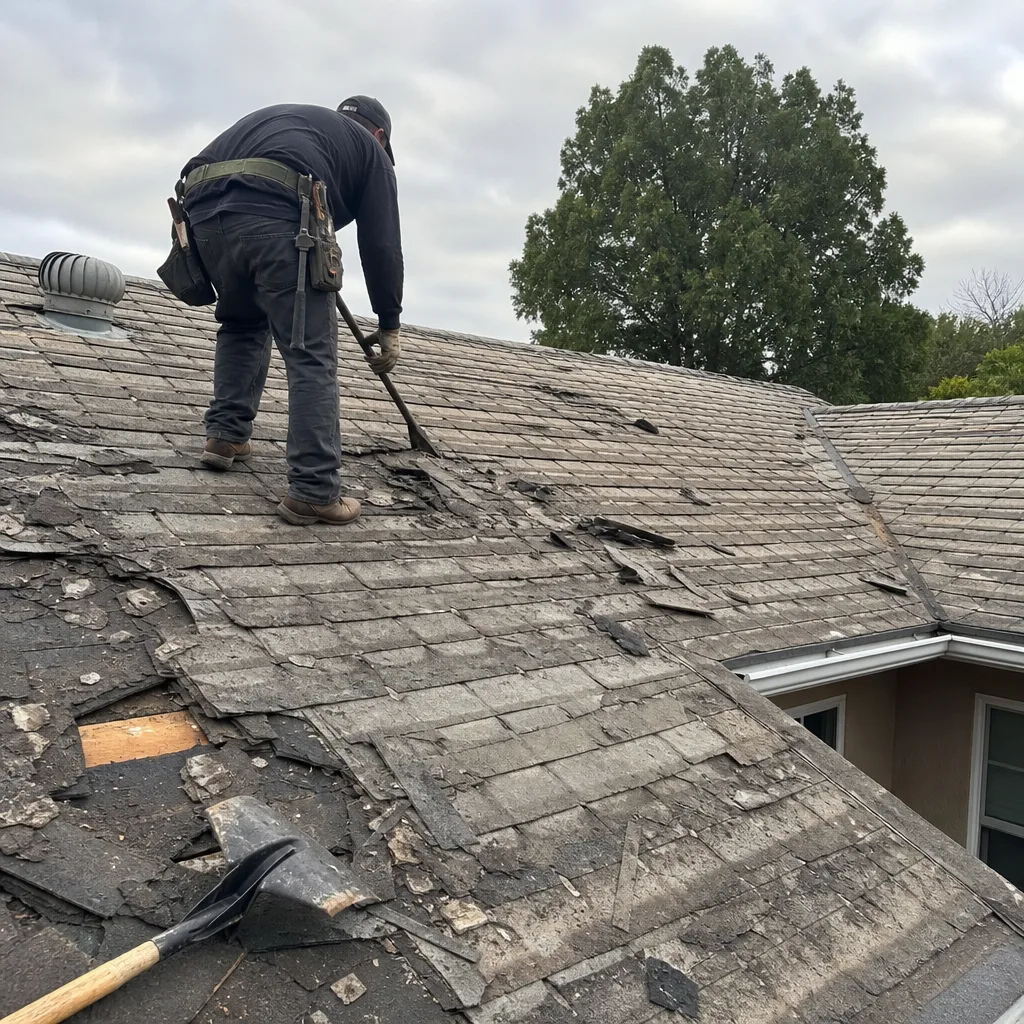 Before
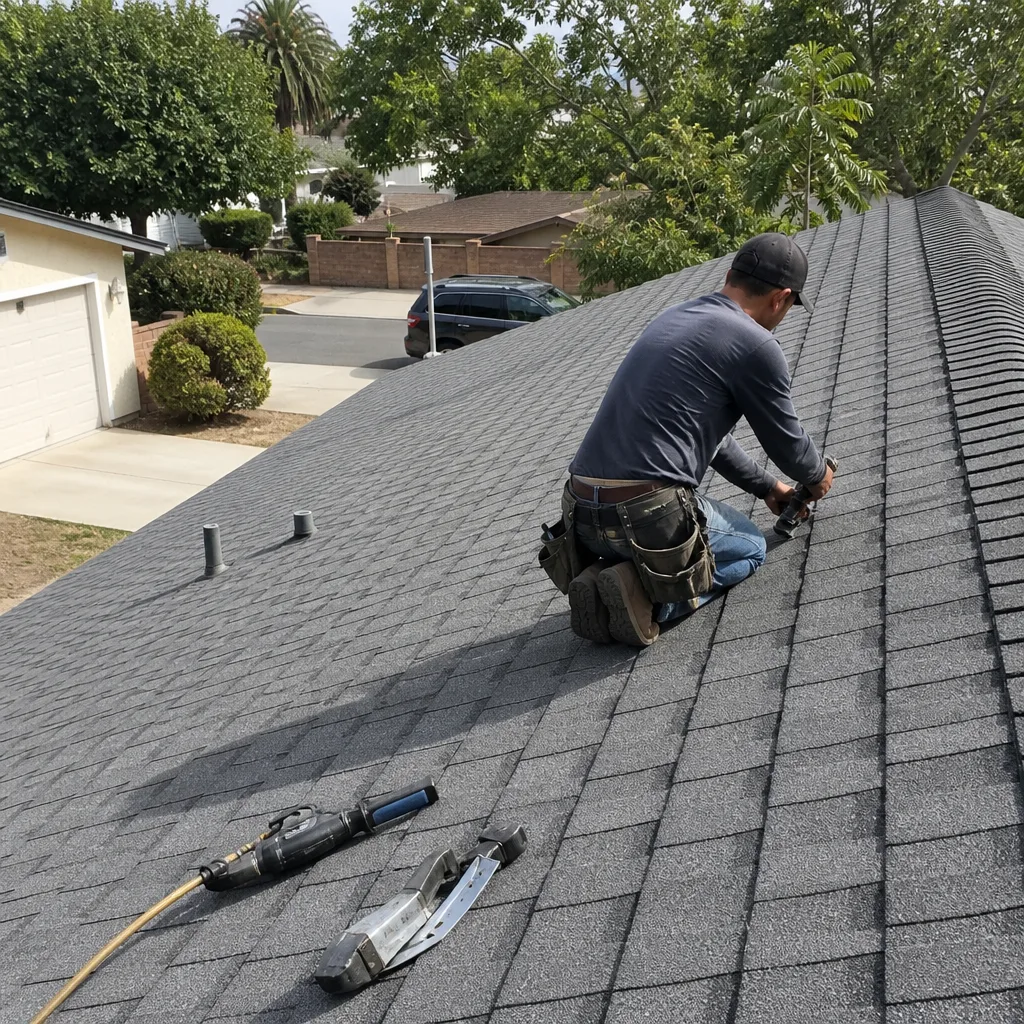 After
After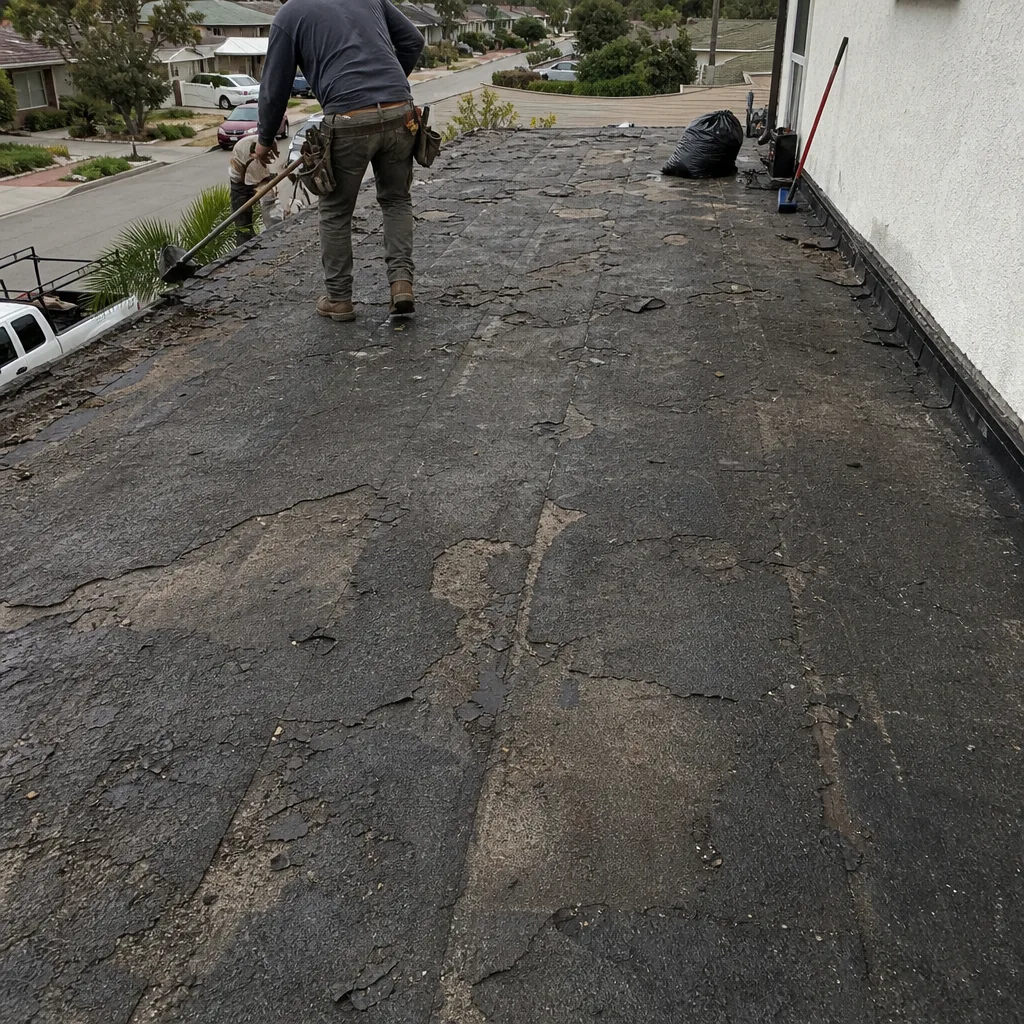 Before
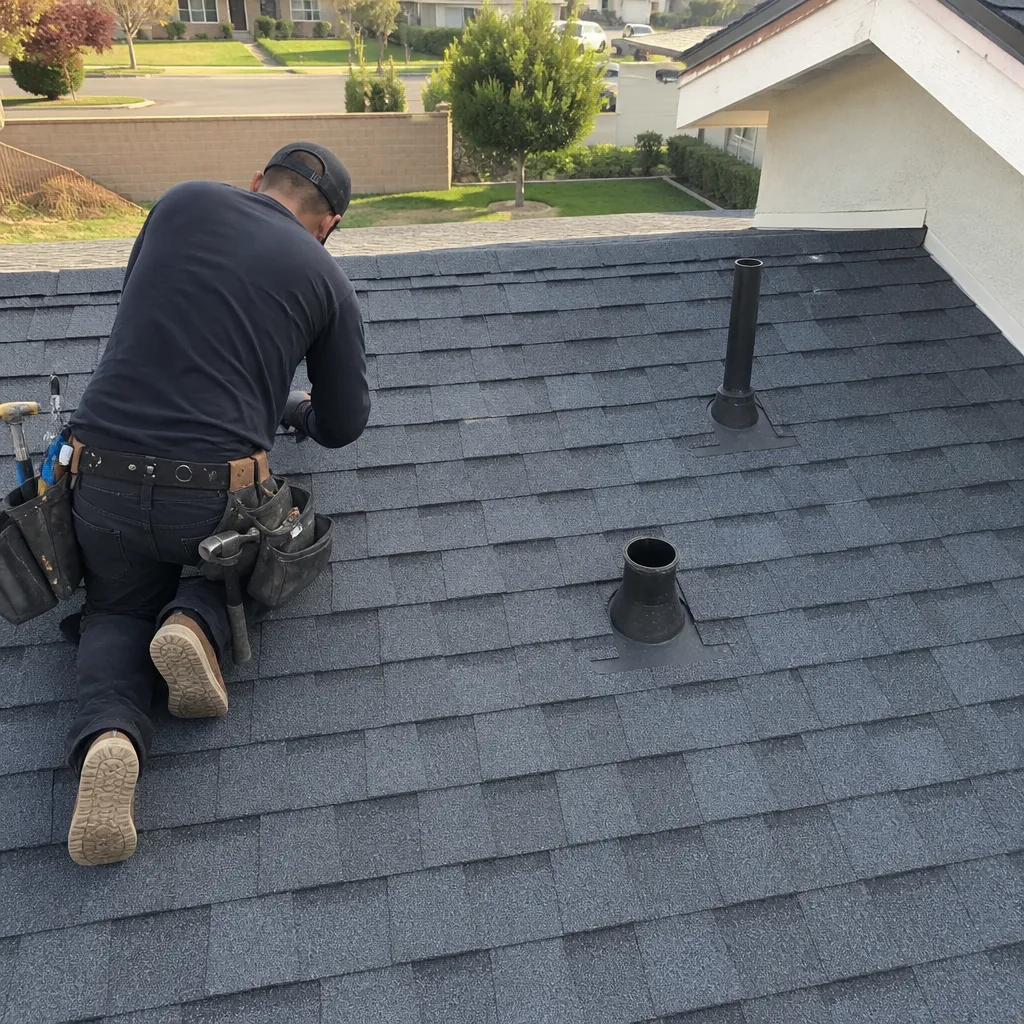 After
After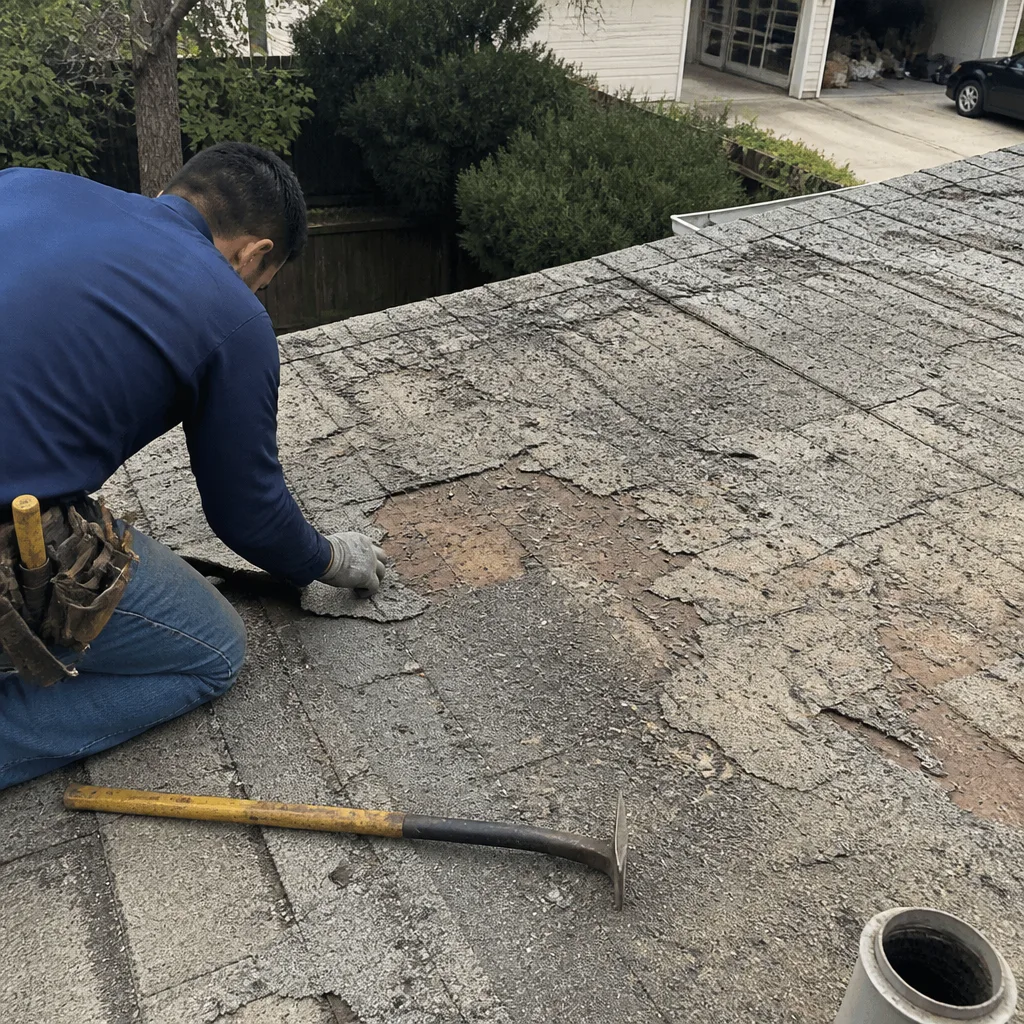 Before
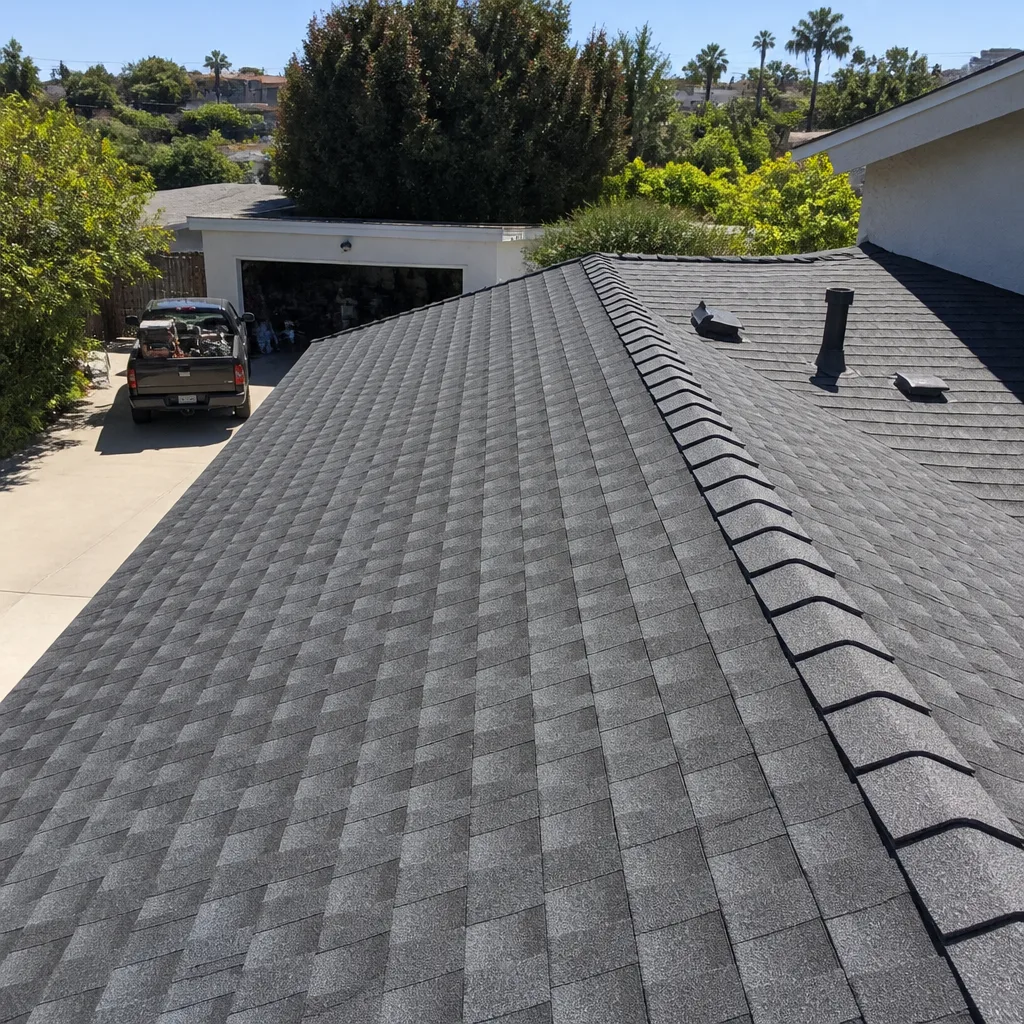 After
AfterReplacement Cost & What’s Included
For a typical single-story Ventura home with 30 to 40 linear feet of ridge line, replacing an Atlas ridge vent runs between $620 and $1,150 installed. Shorter ridges on smaller homes can come in under that. Two-story homes with steep pitches and difficult ridge access run toward the higher end, since our crew needs additional safety setup and staging.
Your written price includes removal and disposal of the old vent, inspection of the underlying ridge slot for rot or damage, installation of the new Atlas-compatible vent with matching end caps, and re-securing any shingle-over cap pieces. If we find rotted decking at the ridge opening, we’ll show you photos and give you a separate line item before any additional work proceeds. No hidden change orders. Every Atlas ridge vent replacement is covered by our 365-Day Done Right Promise: if the installation isn’t right, we make it right.
Call (350) 240-5534 and we’ll schedule an estimate, walk the ridge line with you, and hand you a written price in dollars before any work begins.
DIY or Call Us?
You can safely do two things from the ground or a ladder: visually inspect the vent for obvious cracks or gaps, and check your attic insulation for water staining along the ridge board. That information helps us quote accurately over the phone.
Replacing a ridge vent is not a typical homeowner project. The work happens at the highest point of the roof, on a pitched surface, often in the afternoon heat. A fall from the ridge line is a serious, life-changing injury. Beyond the safety issue, the install details matter: the vent slot width must match the specific Atlas profile, the end caps need to seal fully, and the shingle-over cap must lay flat or the whole system becomes a water entry point. We handle this with a crew that’s been on hundreds of Ventura roofs, using fall protection and leaving the site cleaner than we found it. If you want to check it yourself first, call us and we’ll tell you what to look for. Then let us do the climbing.
FAQs
Most Atlas ridge vents hold up for 15 to 20 years along the Ventura coast, but homes in the inland valleys near Saticoy and beyond can see the plastic degrade closer to 12 years due to higher sustained heat. The marine layer is actually easier on the material than the intense August and September sun inland.
Small end cap failures can sometimes be repaired with a matching replacement cap, but cracked or warped vent sections need to come out. Patching plastic vent material with sealant buys you a season at best, and in Ventura’s winter rain season that’s a gamble most homeowners shouldn’t take.
Most single-story Ventura homes take four to six hours from setup to clean-up. Two-story homes or ridges longer than 40 feet may need a second day. We’ll give you a time window in your written estimate and stick to it.
We keep the common Atlas Signature and WeatherMaster profiles on our trucks, along with matching end caps. If your home has a discontinued or unusual profile, we source the correct aftermarket equivalent within a few days. Call (350) 240-5534 and we’ll confirm what’s on hand before you book.
If your Atlas ridge vent is cracked, lifting, or leaking, the fix is straightforward when the right crew handles it. Call (350) 240-5534 to schedule a free estimate. A live person answers, you’ll get a written price in dollars before any work starts, and our crew treats your home the way Erik Lindgren’s crew always has in Ventura: shoe covers at the door, drop cloths through the hallway, and a photo of the clean-up before we leave. A roof should outlast the paperwork, so we make sure both are done right.
Written by Erik Lindgren, Owner, Birchbark Roofing Ventura at Birchbark Roofing Ventura, serving Ventura and nearby areas.