
Last updated October 17, 2026
 Tile roofing
 Architectural shingles
 GAF
GAF Owens Corning
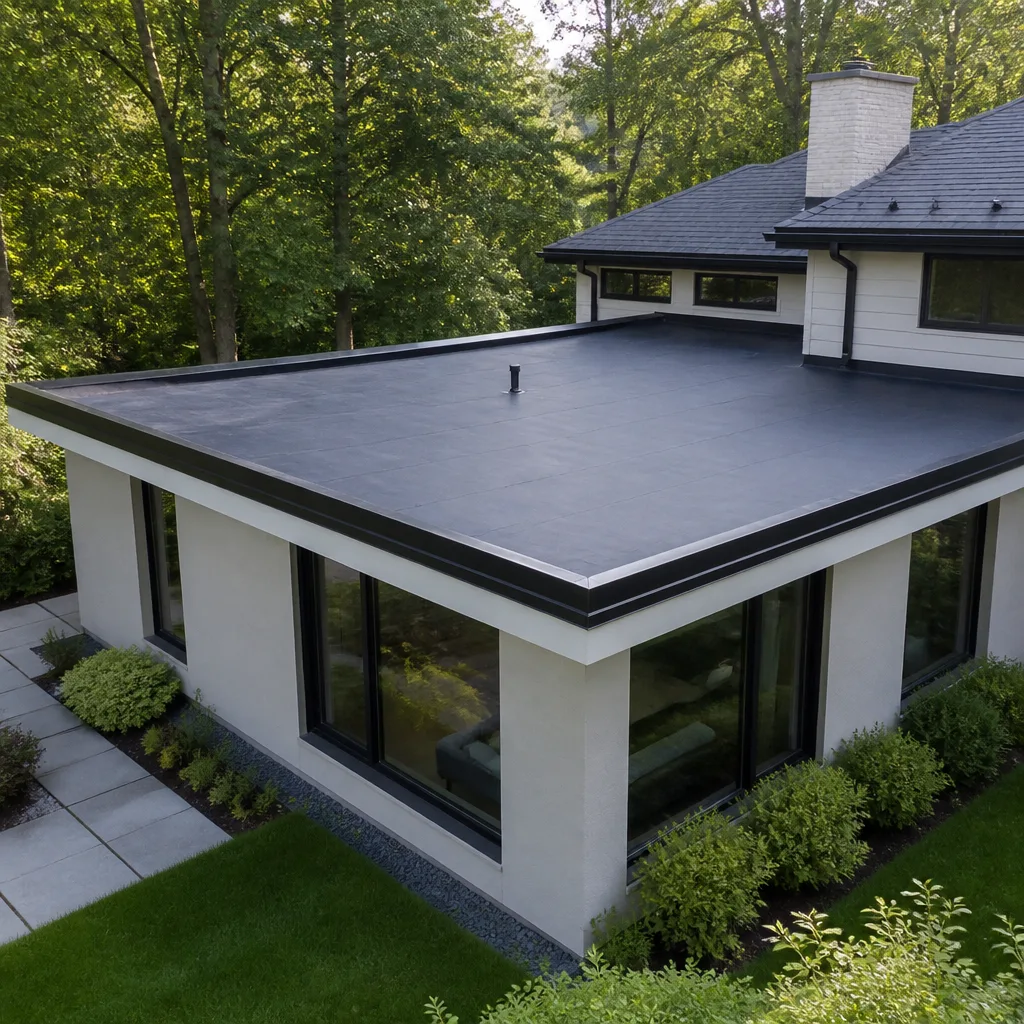 Flat & low-slope
Free roof inspection with deck photos before we talk money - GAF and Owens Corning certified installation
Roofing Permits, Codes & Inspections in CA: What You Need to Know
A homeowner in Ventura re-roofed his house in 2021 and thought he’d saved himself $800 by skipping permits. Three years later, he wasn’t visited by an inspector. He was flagged by a buyer’s agent during escrow, who pulled permit history and found the unpermitted roof. The sale nearly collapsed, retroactive inspection fees ran $4,200, and the closing was delayed five weeks while the city cleared it. The Complete Guide to Roofing in Ventura explains exactly when a Ventura roofing job triggers a permit, which title 24 requirements apply, who pulls what, and how to confirm the permit is actually closed when the crew packs up. By the end, you’ll know more about Ventura roofing permits than most contractors you’d call for a bid.
Quick Answer
Most full roof replacements in Ventura require a building permit, including “like-for-like” tear-offs that skip structural changes. The City of Ventura Building & Safety Division triggers permits based on project scope, not whether you’re changing materials, and Title 24 cool roof compliance applies to most steep-slope re-roofs in the city’s climate zones. Repairs under a specific square footage may be exempt, but the threshold is lower than most homeowners assume, and an unpermitted roof can resurface years later as a title defect during resale. The safe path: call (350) 240-5534, ask whether your scope needs a permit, and get it in writing before work begins.
Styles & brands we work with
Table of Contents
- When Does a Ventura Roofing Project Require a Permit?
- Title 24 Cool Roof Requirements in Ventura: What Compliance Really Means
- Who Pulls the Permit: Contractor vs. Homeowner Liability
- The Ventura Roofing Inspection Process, Step by Step
- How to Verify the Permit Is Closed After the Job
- What Ventura Roofing Permits and Inspections Actually Cost
- How an Unpermitted Roof Affects Your Home Sale in Ventura
- Common Mistakes to Avoid
- When to Call a Professional
- Frequently Asked Questions
When Does a Ventura Roofing Project Require a Permit?
Ventura follows the California Building Code with local amendments, and the city’s permit trigger is not as simple as “replacement equals no permit.” The City of Ventura Building & Safety Division issues permits for roofing work in these situations: any tear-off that removes more than 25% of the roof’s total square footage in a single job, any job that touches the roof sheathing or structural decking, any project involving changes to ventilation or insulation configuration, and any re-roof where the existing roof has more than two layers of roofing material. The last one catches a lot of homeowners: if your Ventura home already has two layers of shingles, adding a third is prohibited by code, which means the job becomes a full tear-off, which means the permit becomes mandatory.
An overlay, where new shingles go directly over one existing shingle layer, occupies a gray zone. Ventura permits overlays on a case-by-case basis, and the deciding factor is usually the condition of the underlayment and the roof’s current weight load. If the roof framing was not engineered for the extra layer, no inspector will sign off, and no legitimate contractor will risk the job. At Birchbark Roofing, we price every job with the permit requirement spelled out in writing before any work starts, so there’s no surprise mid-project when the inspector says the decking needs to be exposed.
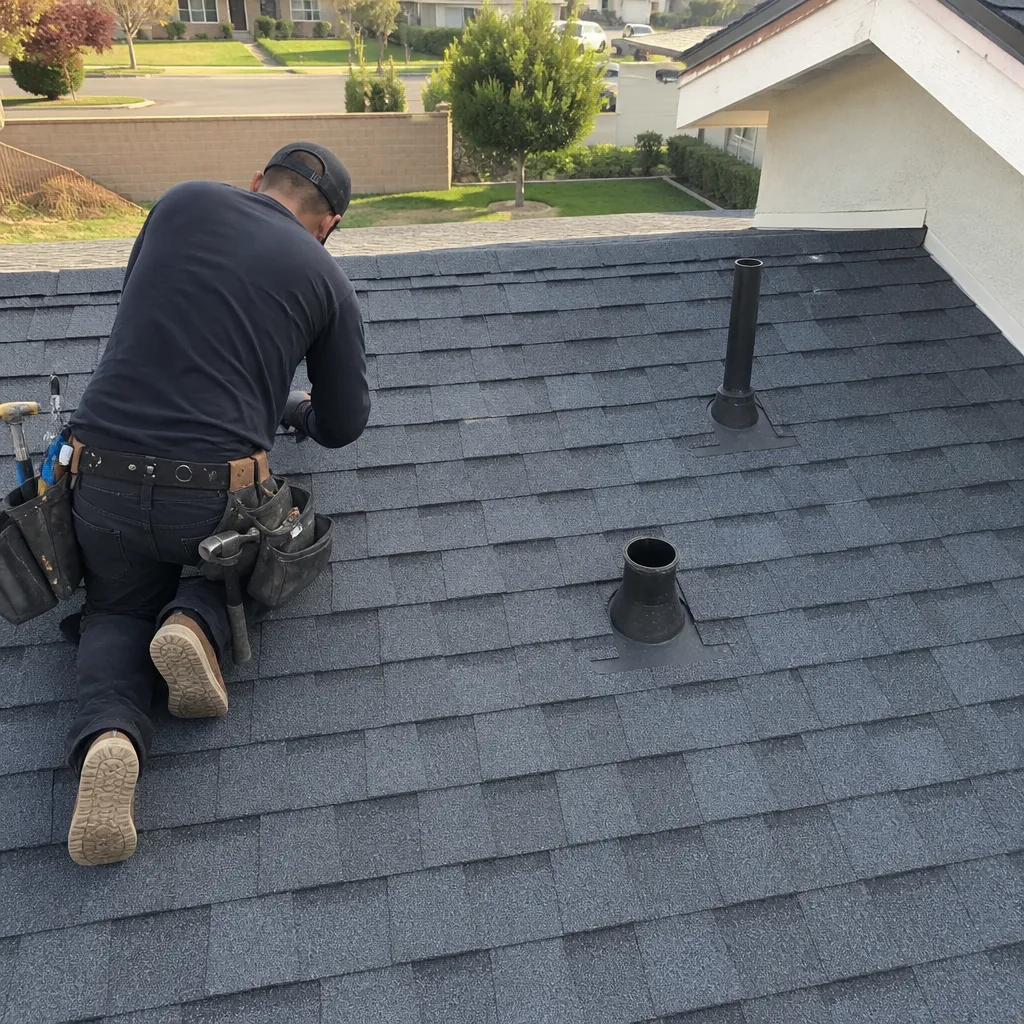
Simple repairs are different. Patching a few missing shingles in one section, resealing a roof-to-wall flashing, or replacing a single vent boot rarely crosses the Ventura permit threshold. The city treats those as maintenance. But once the repair area grows large enough that you’re replacing underlayment or peeling back roofing in a contiguous zone, you’re no longer repairing; you’re re-roofing a section, and that’s where the permit conversation starts.
Ventura’s position near the Pacific means salt air and seasonal wind patterns. We see more accelerated underlayment degradation along the beach side of the city than in the hills, which means a tear-off is more common, which means more permits. If you live in a neighborhood like Midtown or College Area and the home is from the 1960s or 1970s, budget for a full tear-off and a permit; the original roof sheathing almost always needs code updates once it’s exposed. For more on what to watch for, see our Roofing Warning Signs: A Ventura Homeowner’s Reference Guide.
Title 24 Cool Roof Requirements in Ventura: What Compliance Really Means
California’s Title 24, Part 6 building energy efficiency standards apply to steep-slope residential roofs in Ventura’s climate zones 6, 7, and 8, depending on your exact location within the city. Compliance is not optional for permitted reroofing jobs where more than 50% of the roof is being replaced. And “compliance” means more than picking up a bundle of shingles with an ENERGY STAR sticker on it. It means the installed roofing product meets the aged solar reflectance and thermal emittance values set by the California Energy Commission for your climate zone, and that the installer documents it on the permit’s compliance forms.
Here’s what that looks like in materials terms for the asphalt shingle brands commonly installed in Ventura. CertainTeed’s Landmark Solaris and GAF’s Timberline Cool Series shingles qualify for Title 24 compliance in most Ventura climate zones. Tamko’s Heritage Premium Cool Roof and some Owens Corning Duration COOL colors also meet the aged reflectivity thresholds. Boral’s concrete and clay tile products often exceed the standards, which is why you see so many cool-roof tile jobs east of the 101. The catch: not every color in a brand’s line qualifies. A dark charcoal GAF shingle might not meet the reflectance minimum even though the brand itself produces compliant products elsewhere in its catalog. The manufacturer’s Title 24 documentation sheet lists exact colors by climate zone, and the permit requires that specific documentation.
What happens if you skip Title 24 on a permitted re-roof? Ventura inspectors won’t sign the final inspection, the permit stays open, and the job is not legally complete. The home’s resale report will show an open permit, and every buyer’s lender will ask about it. The fix at that point is usually expensive: you may need to strip the non-compliant roof and redo it. Or you can pursue a site-specific exemption through a Title 24 energy consultant, which in our experience has a low approval rate for single-family homes in Ventura’s coastal climate zones.
We’ve seen homeowners pay $600 to $900 more for Title 24 compliant shingles, then save at resale because the roof’s documentation matches the permit file. The alternative is a cheap roof that becomes a $4,000- to $6,000 retroactive problem. In a city where rooftop temperatures regularly push surface temperatures past 150 degrees in late summer, the cool roof also means lower attic temperatures and a smaller cooling load, which is a real comfort difference in homes without air conditioning near the coast. Our Seasonal Roofing Care for Ventura: Year-Round Homeowner’s Guide covers how to maintain these benefits through every season.
Who Pulls the Permit: Contractor vs. Homeowner Liability
California law allows either party to pull a roofing permit in a residential owner-occupied situation. The City of Ventura accepts permits filed by licensed contractors or by homeowners acting as an owner-builder. But the distinction matters more than most people realize, because whoever pulls the permit carries specific legal responsibilities that don’t transfer.
When a licensed contractor pulls the permit, the contractor is accountable to the city for the quality of the work. That means if the roof leaks and the homeowner sues, the permit creates a paper trail that the contractor’s work was represented as code-compliant. The California Contractors State License Board can also weigh in on permit-related complaints. The contractor’s bond and insurance are on the line. This is the arrangement you want. At Birchbark Roofing, we pull permits under our license on every job that requires one, and every job we bid includes the name of the responsible party in the written contract before any work starts.
When a homeowner pulls the permit as an owner-builder, several things change. The homeowner becomes legally responsible for code compliance, worker safety, and any workers’ compensation claims if an uninsured worker is injured on the property. The homeowner also inherits liability for defects discovered later. A contractor working under a homeowner-pulled permit has a much weaker legal position to defend the work, and some insurers will not cover work done under owner-builder permits. Homeowners who pull their own permits to save the city’s contractor permit fee (which runs roughly $150 to $350 extra in Ventura depending on project valuation) are trading hundreds of dollars of savings for tens of thousands of dollars of exposure.
There’s one more angle worth naming: lender risk. If there’s a mortgage on the Ventura home, the note holder can view an owner-builder permit as a sign of unlicensed work or a DIY roof, which is a problem on a refinance or home equity line. Licensed contractor permits signal professional work to appraisers and title companies. When the permit is pulled professionally, it stays in the home’s city file as a clean, resolved building record, and that’s exactly what a buyer’s agent wants to see.
The Ventura Roofing Inspection Process, Step by Step
Ventura’s inspection process follows a specific sequence, and knowing it in advance makes the whole project smoother. Here’s how a typical permitted full roof replacement in Ventura proceeds:
- Pre-construction submittal: The contractor files the permit application with the City of Ventura Building & Safety Division, including the roofing product specifications, Title 24 compliance documentation, and a roof plan showing slope, materials, and flashings. Plan review for a straightforward tear-off typically takes 1 to 2 weeks in Ventura’s current staffing cycle.
- Permit issuance: The city issues the permit, assigns an inspection route number, and the contractor posts the permit card in a visible location, usually a front window or the garage door.
- First inspection: decking and underlayment. After tear-off, before new roofing material goes down, the inspector checks the roof sheathing, the fastening pattern, the drip edge, the underlayment type and fastening, and the valley details. This is the checkpoint most commonly missed by contractors trying to rush the job. If the inspector doesn’t see the decking exposed, the job stops.
- Second inspection (if triggered): flashing and penetrations. Some Ventura jobs require a mid-point inspection after flashings, pipe boots, and skylight curbs go in but before the field shingles cover them. This depends on the scope. For replacement-in-kind, the city often combines flashings into the final inspection.
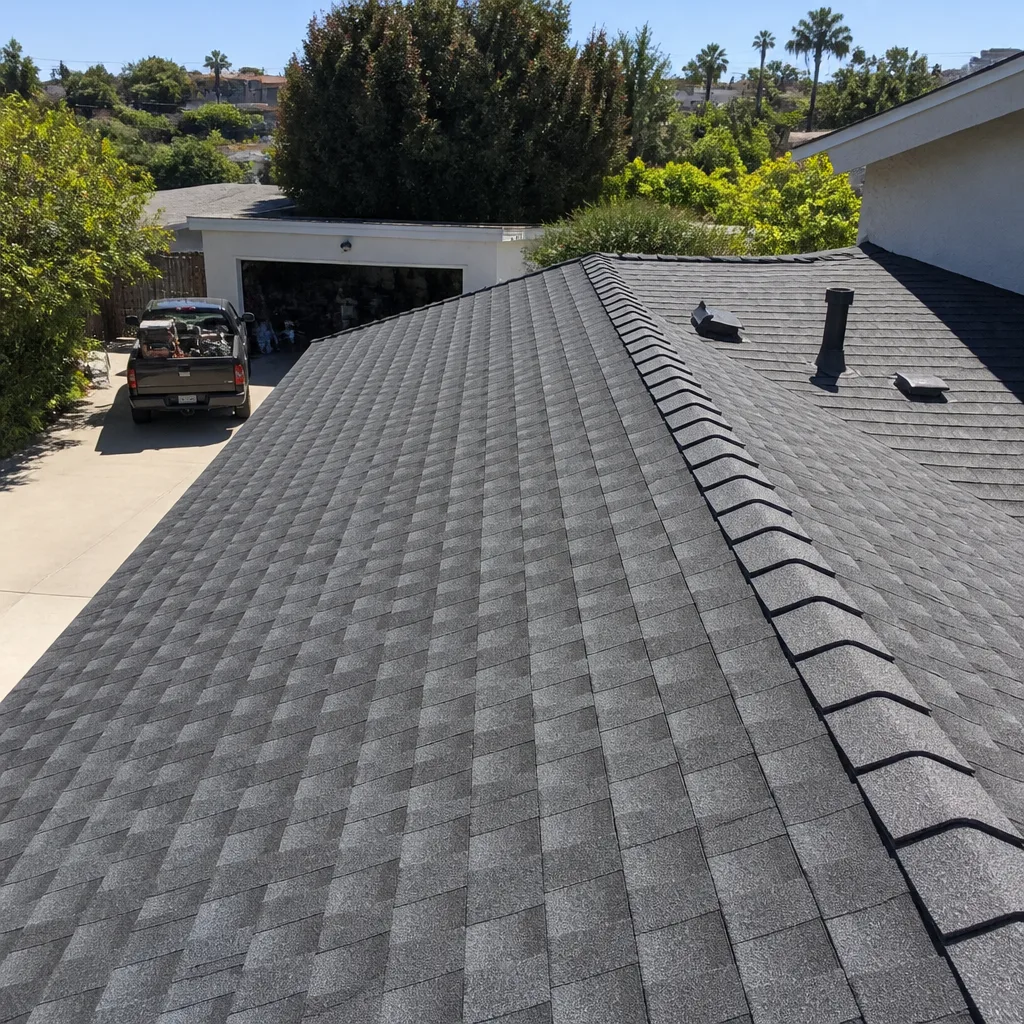
- Final inspection: After the roof is complete, the inspector checks the finished surface, ridge caps, edge details, ventilation, Title 24 documentation, and site cleanup. The inspector signs the final, and the permit is closed.
What the Ventura inspector is actually looking at, in plain language: correct nail pattern on the sheathing (most re-roofs in older homes fail the first inspection because original 1960s diagonal board sheathing was never nailed to code), proper underlayment overlap and type for the roof slope, kick-out flashing at roof-to-wall intersections, corrosion-resistant fasteners near the coast, and the right ventilation ratio at the ridge and eaves. In the beach-adjacent neighborhoods around Pierpont, corrosion-resistant fasteners matter more than they do in the hills; inspectors know the local salt-air conditions and check for them.
Staging for a clean inspection means the roof is accessible, the permit card is posted, the Title 24 package is on site, and the jobsite is reasonably tidy. The inspector won’t climb a roof with debris piled on the ladder path, and a messy site sends the signal that the work itself was rushed. At Birchbark Roofing, we schedule inspections in advance, walk the roof with the inspector when needed, and photograph the completed clean-up before the crew leaves, which gives you a record that the site was left the way it should be.
How to Verify the Permit Is Closed After the Job
Pulling a permit is step one. Closing it is step two, and it’s the step most Ventura homeowners never take, because the contractor says “done” and the homeowner believes it. An issued permit that’s never finalized sits as an open building file for years, and that’s the exact defect that showed up in the Ventura resale story at the top of this guide.
Verifying a closed permit in the City of Ventura takes about five minutes. Here’s the sequence:
- Go to the City of Ventura’s online permit portal and search by your address.
- Locate the roofing permit (it will have a permit number like B-24-####).
- Check the status field. You’re looking for “Finaled” or “Closed,” not “Issued” or “Inspections Pending.”
- If the status shows anything other than finaled, call Ventura Building & Safety at the number on their website and ask what’s still outstanding.
- Request a copy of the final inspection record and save it with your home files. This one-page document is worth more than any verbal assurance when you sell.
What if the contractor walked away without finaling the permit? You have options, but they get harder as time passes. If the contractor is still in business, the contractor’s license requires them to close the permit. The CSLB can compel a licensed contractor to final intended work. If the contractor has disappeared or gone out of business, you may need to hire a third-party inspector or consultant to review the roof and prepare documents for the city, then pay to re-open and final the permit retroactively. This is exactly the $4,200 retroactive situation the Ventura homeowner faced in 2024. The money went to city fees, third-party inspection, and the time cost of an extended escrow.
For this reason, we recommend holding a small retainage, typically 5 to 10% of the contract value, until the final inspection is signed and the permit shows finalized. A legitimate contractor has no problem with this; it mirrors state contractor law for progress payments. At Birchbark Roofing, our practice is to final permits within seven days of the final inspection and to send you the closed permit number in writing, because we know it protects your resale years from now.
What Ventura Roofing Permits and Inspections Actually Cost
Permit costs in Ventura are based on the project’s valuation, which is the total contract price for permit purposes. Here’s a realistic spread for common Ventura roofing scopes in 2025:
- Repair under the permit threshold: no permit, no city fee. Small shingle patches, minor flashing reseals, single-boot replacements.
- Partial re-roof (25% to 50% of roof): permit fee typically $350 to $650 depending on valuation, plus plan review time.
- Full tear-off and replacement on a typical 2,000-square-foot Ventura home: permit fee typically $500 to $900, including Title 24 documentation review and inspection visits.
- Full replacement on a larger home or one with structural repair: permit fee can run $900 to $1,400 if the scope includes sheathing replacement and structural review.
- Retroactive permit after unpermitted work: double the standard fee in many California cities, and Ventura can apply penalty multipliers. The 2024 Ventura case hit $4,200 total including third-party inspection and escrow delay costs.
These are the city’s fees. Separately, the contractor may charge an administrative line for permit processing, plan preparation, and inspection scheduling. Some Ventura roofers bury this cost inside the bid; others list it as a line item. At Birchbark Roofing, the written price you approve before work starts includes permit fees, inspection scheduling, Title 24 documentation, and final verification, all as line items so there’s no ambiguity and no change order later.
Homeowners comparing bids should ask one question: “Does this number include the permit and final inspection, or will that be added later?” If the answer hedges, get a different bid. An unpermitted bid is cheaper in the same way that skipping car insurance is cheaper: true in the moment, expensive when it matters.
How an Unpermitted Roof Affects Your Home Sale in Ventura
Ventura’s real estate market moves in cycles, but the disclosure requirements do not. On a standard California Residential Purchase Agreement, the seller must disclose any work done without permits, and the buyer’s home inspection often includes a permit history pull from the city. An unpermitted roof is usually discovered in one of three stages: during the buyer’s inspection contingency, during appraisal when a sharp appraiser notes the roof condition against dated permit history, or during title review when open building records surface.
Each discovery has a different cost. Discovery during the buyer’s inspection means the seller typically negotiates a credit or agreement to permit the work retroactively. Discovery during appraisal can stall the loan if the appraiser flags the roof as an unpermitted improvement affecting value. Discovery during title review is the worst case, because the deal is nearly assembled, and the whole schedule gets blown apart while the city processes a retroactive permit.
For sellers in neighborhoods like East Ventura and the college corridor, where many houses date from the 1950s through 1980s, a roof done in the last 10 years without permits is a common listing obstacle. The fix is predictable: pay for the retroactive inspection, bring the roof up to current code if needed, and final the file, all under time pressure and with the buyer’s agent watching every step.
The same issue appears when a buyer is planning to refinance later. Lenders scrutinize permit histories more carefully than they did ten years ago, and an open permit from a prior roof can push a refinance into delay or denial. A closed, finaled roof permit is a home asset. An open or missing one is a liability that compounds with time.
Common Mistakes to Avoid
- Skipping the permit on a “simple” tear-off. In Ventura, a tear-off exceeding 25% of the roof is not simple, and skipping the permit turns a $900 city fee into a multi-thousand-dollar resale defect. We’ve watched too many homeowners learn this from a buyer’s agent at the worst possible time.
- Assuming the shingle brand is Title 24 compliant because the bundle says “cool.” Title 24 compliance is color-specific and climate-zone-specific. A specific CertainTeed or GAF color may qualify, while another color from the same product line does not. The installer needs the manufacturer’s compliance documentation for the exact color going on your Ventura roof.
- Letting the contractor pull the permit under your name to “save time.” Owner-builder permits shift liability to you in ways that can follow you through a sale, a refinance, and an insurance claim. Let the licensed contractor stand behind the work.
- Paying the full contract price before the permit is finaled. Once the money is fully paid, some contractors lose interest in closing out the permit file. Retain a small percentage until the city shows the permit as finaled.
- Adding a third layer of shingles to avoid tear-off costs. Ventura follows California code prohibiting more than two layers on steep-slope residential roofs. Attempting a third layer means the whole job gets redone, and you’ve paid for the illegal layer first.
- Not checking the permit status yourself. Contractors say a lot of things at the end of a job. The Ventura permit portal is public, searchable by address, and takes minutes. Check it. If the status doesn’t say finaled, call and ask why.
- Trimming the bid by skipping Title 24 documentation. The $600 to $900 you save on non-compliant shingles becomes a lien on the home’s saleability. In Ventura, a roof is part of the home’s permit history, not just a cover over the family room.
When to Call a Professional
A permit conversation should happen before you’ve signed anything, and not every contractor will volunteer it. Call a professional if your roof has two layers and you’re considering a third, if your home is in a coastal Ventura neighborhood where corrosion and wind requirements affect inspectors’ decisions, if your roof sheathing shows water damage and you don’t know whether the decking is up to code, or if you’ve discovered any open or missing permit from a prior roof job. You should also call if your home has a sale or refinance on the horizon, and the roof was done in the last 10 years without documentation. Those are the situations where the permit question stops being theoretical. Birchbark Roofing Ventura offers free estimates in Ventura and will review your roof’s permit status, no charge and no pushing. You can also browse more guides & resources on our blog. Call (350) 240-5534.
Frequently Asked Questions
Yes, most full roof replacements in Ventura require a permit, including tear-offs that replace one shingle layer with another of the same type. The permit is required for any tear-off exceeding 25% of the roof’s square footage, any job exposing sheathing, and any re-roof over two existing layers. Simple repairs below that threshold may not need a permit, but the scope matters more than the material. Call (350) 240-5534 for a free assessment of your specific roof and the permit trigger.
Title 24 is California’s building energy efficiency standard, and it applies to most permitted re-roofs in Ventura when more than 50% of the roof is replaced. Title 24 requires the new roofing material to meet specific minimum reflectivity values for your climate zone, verified through manufacturer documentation for the exact product and color. If the installed roof doesn’t meet Title 24, your final inspection won’t pass, and the permit stays open. The right time to lock in Title 24 compliance is at bidding, not at inspection.
Either the homeowner or the licensed contractor can pull the permit, but the contractor pulling it under their license is the arrangement most protective for you. When the contractor pulls the permit, the contractor’s license, bond, and insurance back the work. When a homeowner pulls an owner-builder permit, the homeowner inherits code compliance, worker safety, and liability risk. Hire a contractor that pulls permits under their own license and includes it in the written price before any work starts.
For a straightforward full re-roof, plan on 1 to 2 weeks for plan review and permit issuance, then inspection scheduling as the job progresses. A typical Ventura roof replacement has at least two inspections: one after tear-off and underlayment, and one final inspection after the finished roof is complete. The whole permit-to-finaled timeline for a standard residential roof runs 2 to 4 weeks, depending on the city’s staffing and your contractor’s scheduling. In our experience, jobs that skip the first inspection end up slower, not faster, because the inspector requires it before proceeding.
Go to the City of Ventura’s online permit portal, search by your street address, and look for any roofing permit. If the status says “Issued” or “Inspections Pending,” the permit is not closed. If no roofing permit appears, there’s no record of a permitted roof on the property. A permit pulled and never finaled is an open building file that will show up during resale. If you find an open or missing permit, call (350) 240-5534; we’ll walk you through what the portal shows and what it means for your sale or refinance.
Yes, it commonly does, and often late in the transaction. Buyer’s agents pull permit histories during escrow, and an unpermitted roof surfaces as a title or inspection issue that must be resolved before closing. Retroactive permitting in Ventura can cost substantially more than the original permit would have, and the delay can test a buyer’s patience. The 2024 Ventura case at the top of this guide cost the seller $4,200 in retroactive fees and nearly five weeks of escrow delay. A finaled permit is a selling feature; document yours now, not when you list.
The Bottom Line
Ventura roofing permits exist to keep dangerous or substandard work off your house, and they double as the paperwork that protects your resale later. The trigger points are straightforward: demolition scope, structural exposure, layer counts, and Title 24 performance standards. Who pulls the permit determines who carries the liability. The inspection sequence is predictable if you don’t skip it. And the final step, verifying that the permit shows finaled in the city’s portal, is the one most homeowners skip and most sellers regret. If you’re planning a roof in Ventura, start with the permit question, not the shingle color. And if you want a written price that includes the permit, the Title 24 documentation, and a closed file at the end, call Birchbark Roofing Ventura at (350) 240-5534. We’ll bring the estimate and the answers.
Written by Erik Lindgren, Owner at Birchbark Roofing Ventura, serving Ventura since 2000.
See the difference
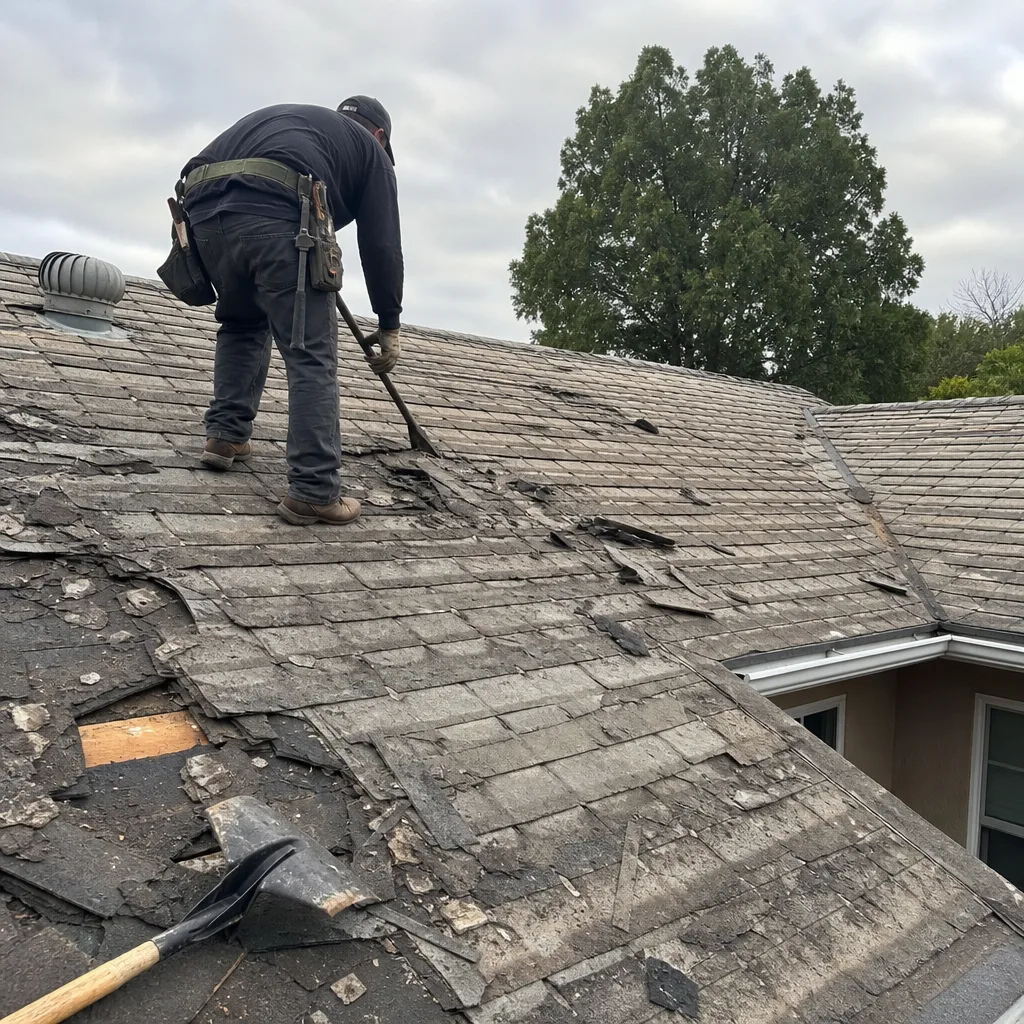 Before
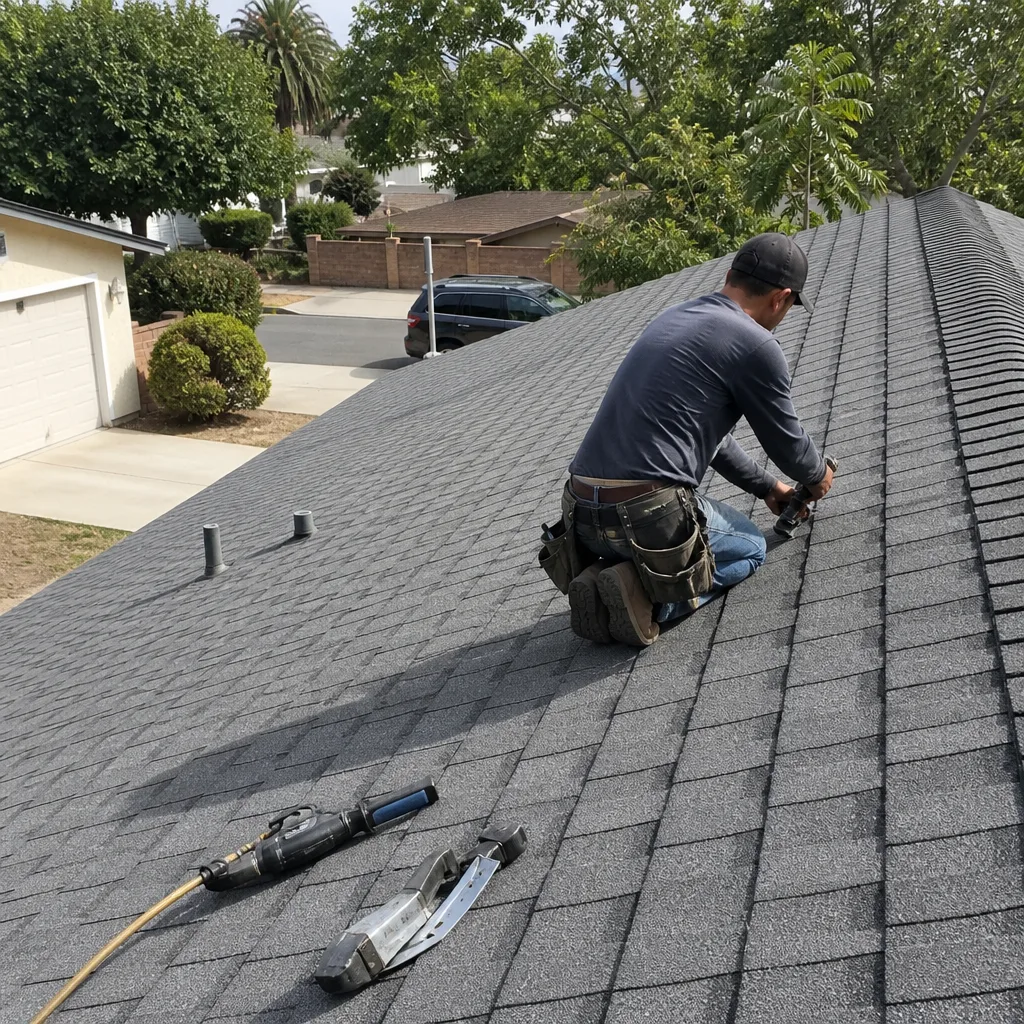 After
After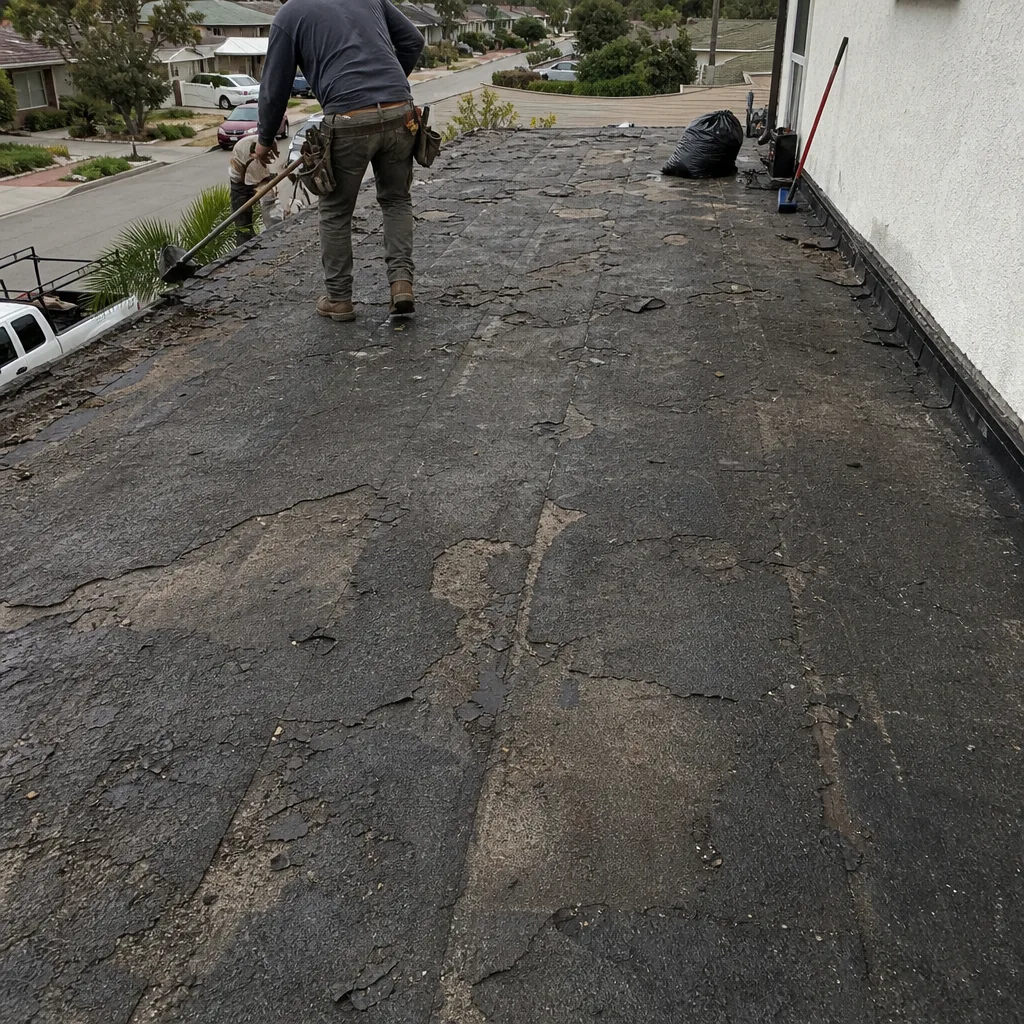 Before
 After
After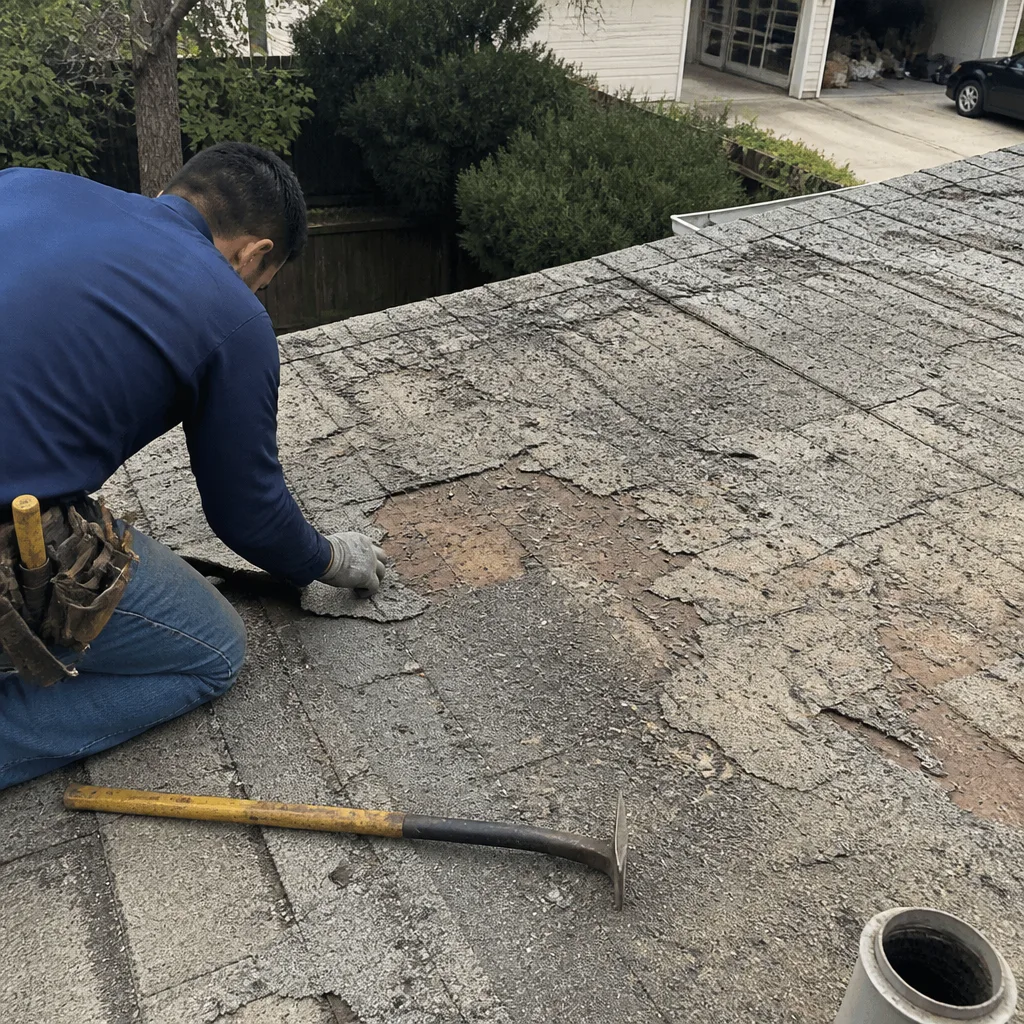 Before
 After
After