
Last updated October 17, 2026
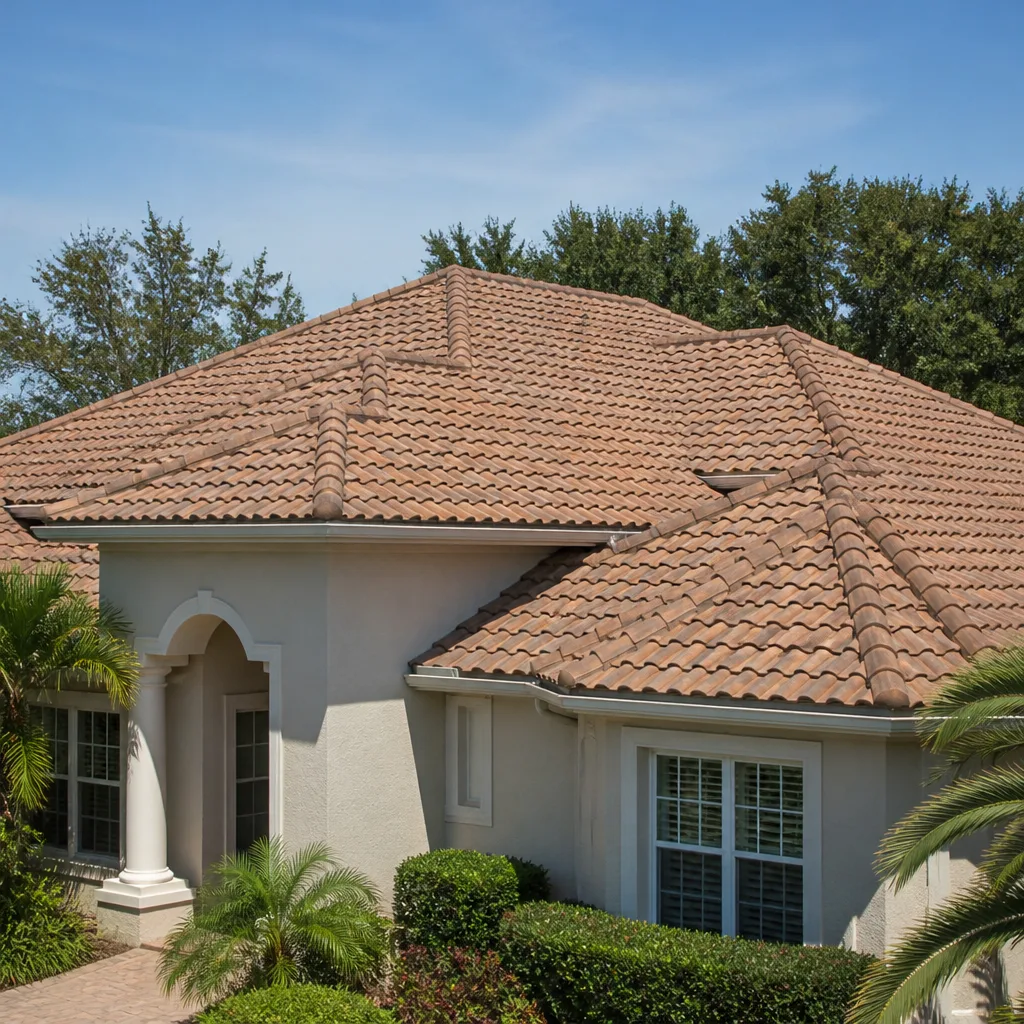 Tile roofing
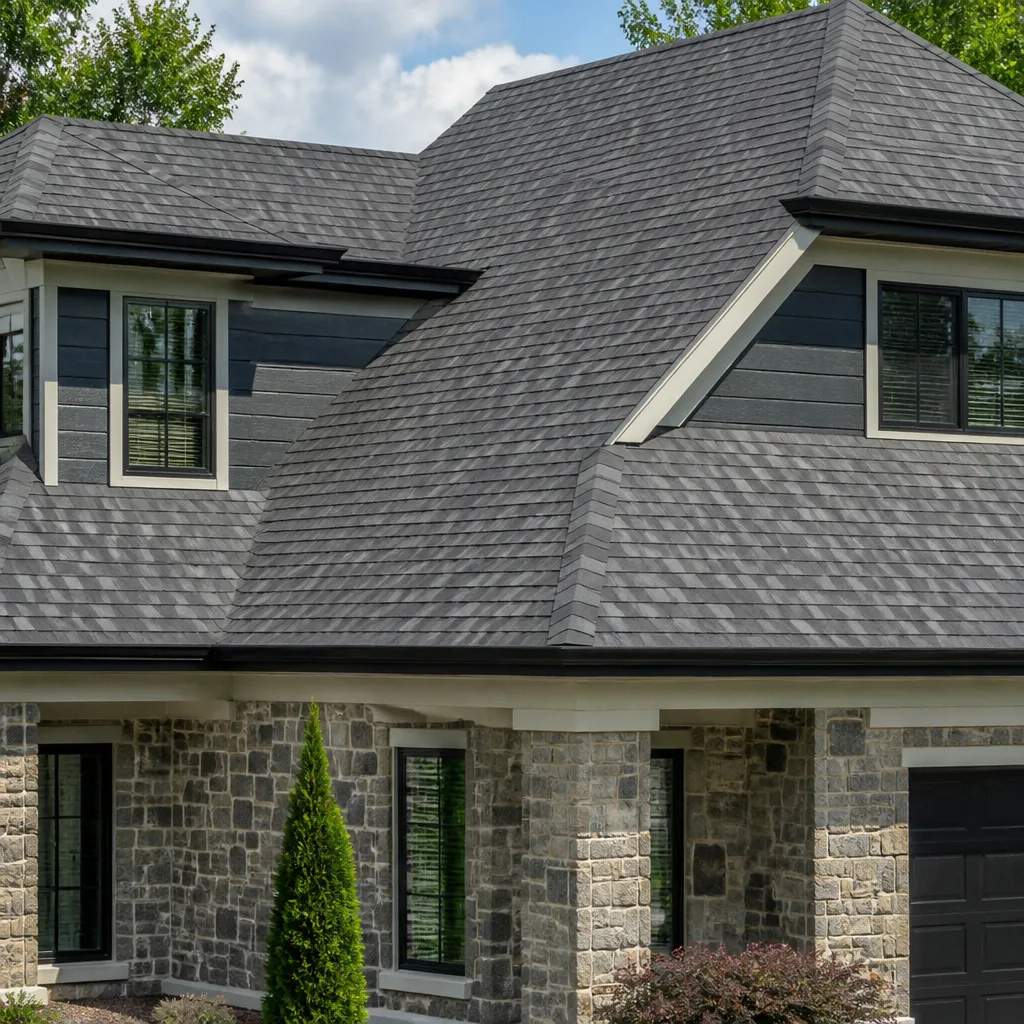 Architectural shingles
 GAF
GAF Owens Corning
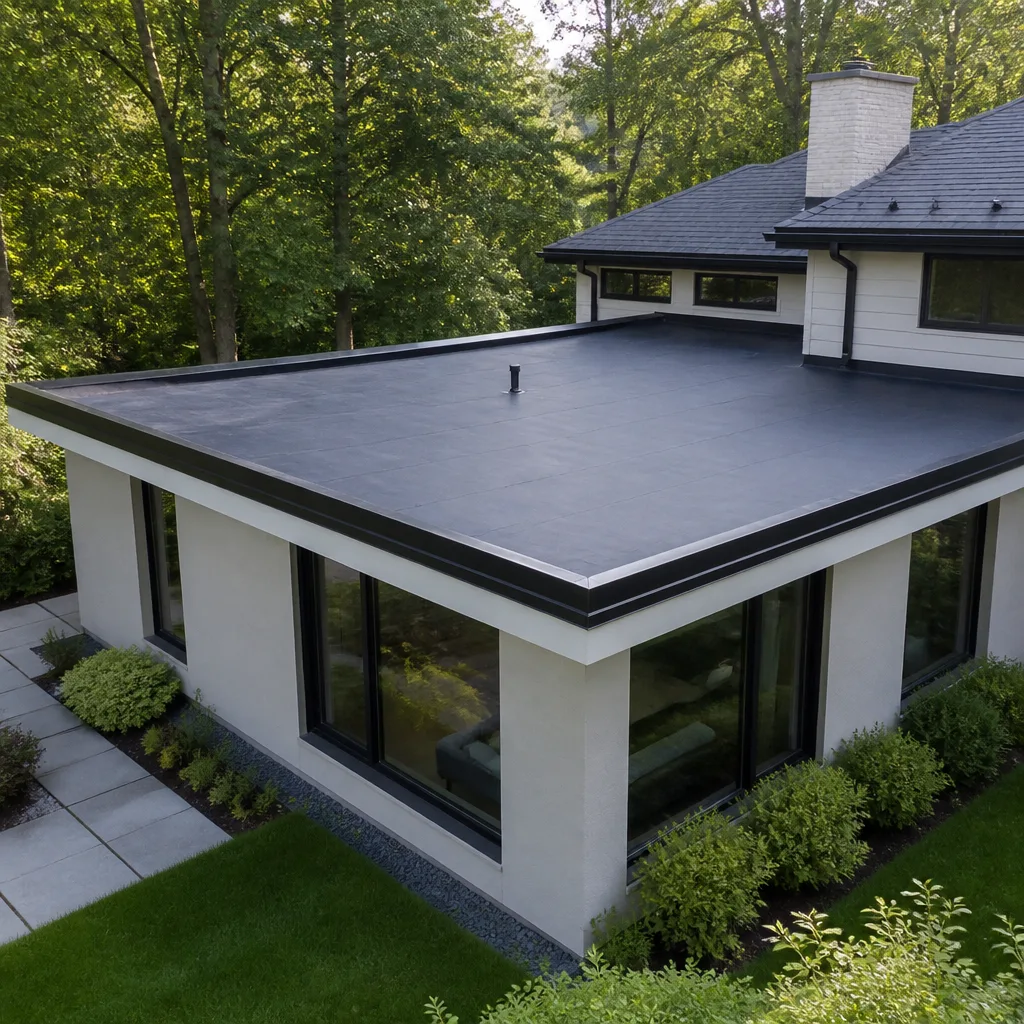 Flat & low-slope
Free roof inspection with deck photos before we talk money - GAF and Owens Corning certified installation
Roofing Cost Breakdown: The Ventura Homeowner’s Reference for 2026
A $14,000 bid and a $19,000 bid for the same Ventura roof aren’t always a sign that someone is overcharging. They’re often a sign that one contractor included re-flashing the chimney, upgraded underlayment, permit fees, and drip-edge replacement, and the other didn’t mention any of those items at all. This guide decodes every line item in a Ventura roofing bid so you can compare proposals side by side and know exactly what you’re paying for, what’s missing, and which questions will save you thousands. For roofing warning signs every Ventura homeowner should watch for, see our companion guide.
Quick Answer
Roof replacement in Ventura, CA runs between $11,000 and $22,000 for a typical 1,800 to 2,400 square foot home in 2026, which works out to roughly $6 to $9 per square foot of roof surface. The spread comes down to material choice (architectural asphalt shingle versus standing seam metal), the condition of the wood decking underneath, and whether the bid includes permit fees, upgraded underlayment, and re-flashing around chimneys and vents. Roof repairs run $450 to $1,800 for most scoped issues. Your exact number should always come in writing before work starts.
Styles & brands we work with
Table of Contents
- Line-by-Line Breakdown of a Ventura Roofing Bid
- Why Ventura Prices Differ from the Inland Empire
- Hidden Cost Categories Most Bids Omit
- How to Evaluate Warranty Cost and Why a Written 365-Day Guarantee Has Dollar Value
- When the Cheapest Bid Becomes the Most Expensive Outcome
- How to Read Two Bids Side by Side
- Questions to Ask Before Signing Anything
- Common Mistakes to Avoid
- When to Call a Professional
- Frequently Asked Questions
Line-by-Line Breakdown of a Ventura Roofing Bid
Every roofing bid in Ventura breaks down into the same core components. When a contractor omits one, the price looks lower, but the work still has to happen. Here’s what each line item should cost per square (one square equals 100 square feet of roof surface) in 2026, along with what drives the number up or down.
Tear-Off and Haul-Away: $80 to $140 per square
Removing the old roof is the first real cost. In Ventura, the number includes labor to pull up old shingles and felt, plus disposal fees at the local transfer station. Disposal in Ventura County runs higher than inland counties, full stop. The further a hauler drives, the more fuel and truck time cost. A two-story home in the hills above downtown with limited street parking will also cost more than a single-story ranch in East Ventura, because the crew has to carry debris further and coordinate parking with city rules. Ask whether the disposal fee is a pass-through cost or a fixed rate. Pass-through makes sense; a fixed rate that sounds too low usually means the contractor is planning to cut the tear-off scope somewhere else.
Underlayment: $35 to $70 per square
Underlayment is the water-shedding layer between the wood decking and the shingles. Standard 15-pound felt runs about $12 per square. Synthetic underlayment from manufacturers like GAF or CertainTeed runs $20 to $35 per square in materials, plus labor. High-grade peel-and-stick underlayment, the kind that seals around nails and adds a true secondary moisture barrier, runs $45 to $70 per square all-in. In Ventura, where marine air and occasional wind-driven rain are a fact of life, we recommend at least a synthetic underlayment. The cost difference on a 20-square roof between felt and synthetic is $400 to $600. Replacing rotted decking because water got through is thousands. This is one of the places a lower bid hides its real cost.
Flashing: $400 to $1,200 total, depending on penetrations
Flashing is the metal that seals the transitions: chimney bases, skylights, roof valleys, vent pipes, and any HVAC penetrations. A roof with a chimney and two vent pipes needs maybe $400 to $600 in flashing work. Add a skylight, a couple of plumbing stacks, and an HVAC penetration, and that number climbs to $900 or more. Ask specifically whether the bid includes new flashing or re-used flashing. Re-using old flashing is a real cost-cutting method that works fine sometimes and fails badly other times. If the existing flashing is galvanized steel and you’re installing a 30-year architectural shingle, the flashing will rust out before the shingles wear down. New flashing should be listed as its own line item, with a dollar amount.
Ridge Cap and Hip Cap: $150 to $400 total
Ridge cap shingles are the rounded shingles that cover the peak of the roof. They take a beating from Ventura’s sun and wind. The material cost is low, around $100 to $250 for a typical home, but it’s a line item that shows whether the bidder actually measured the roof. A contractor who lists ridge cap as a flat $100 regardless of roof geometry hasn’t done the math.
Permit Fee: $300 to $700 in Ventura
Ventura requires a building permit for roof replacement, and the fee is based on the project valuation. Most residential roof replacements in the city fall between $300 and $700. Some contractors include it in the bid; others make it a separate line item; others leave it out entirely and surprise you with it mid-project. Leaving it out makes a bid look lower. It does not make the permit optional. Ask: “Is the permit fee included, and will you pull the permit yourself?” If a contractor says you don’t need a permit for a full replacement in Ventura, get a different contractor.
Cleanup: $200 to $500, or “included” with no dollar figure
Cleanup is where the texture of a roofing experience changes. Every roof generates two to three tons of debris: old shingles, nails, felt, wood scraps. A magnet sweep for nails is non-negotiable, because a roofing nail in the driveway will find a tire. But real cleanup is more than magnets. It’s checking the garden beds, clearing the gutters of debris, sweeping the walkways, and verifying that no sharp metal edge is left near a fence line where a dog noses through. At Birchbark, we take a photo of the completed cleanup before the crew leaves and it’s part of the job record. If a bid lists “cleanup included” with no dollar figure and no description, ask what included means. If it means a magnet sweep and a leaf blower, fine. If it means nothing, you’ll find out the first time you walk the yard barefoot.
Why Ventura Prices Differ from the Inland Empire
Roofing costs in Ventura run 15 to 25 percent higher than comparable work in Riverside or San Bernardino, and it’s not because Ventura roofers are greedier. The cost structure is genuinely different, and understanding why helps you evaluate bids without false assumptions.
Disposal and Dump Fees
Ventura County’s transfer stations charge a premium over inland facilities. It’s a mix of regulatory cost, fuel cost, and simple geography. A crew tearing off a roof in Ventura pays more to dispose of the debris than a crew doing the same job in Fontana, and that cost lands on your invoice. It’s not a hidden fee; it’s a local reality. Expect disposal to run $300 to $700 higher in Ventura than in a comparable inland project.
Street Parking and HOA Coordination
Many Ventura neighborhoods, especially in the hills and around Midtown, have narrow streets, permit parking zones, and strict HOA rules about work hours, dumpster placement, and equipment staging. A roofing crew may need to park a dumpster on the street with a city permit, coordinate with neighbors about driveway blocking, and start no earlier than the HOA allows. That’s administrative labor and sometimes permit fees, and it shows up in the bid as either a line item or a slightly higher labor rate. It is not padding. It is the cost of working in a built-out coastal city.
Salt Air and Material Selection
Ventura’s coastal air is beautiful and slightly corrosive. Homes within a few miles of the ocean see more rust on flashing, more wear on fasteners, and faster degradation of cheap galvanized components than homes in Simi Valley or Moorpark. The fix is material selection: stainless steel or aluminum flashing, hot-dipped galvanized fasteners, and underlayment rated for high-wind and moisture exposure. These materials cost more, and they are worth it. A Ventura homeowner replacing a roof with the same materials used in the Inland Empire is under-building for the environment they actually live in. Our Seasonal Roofing Care for Ventura: Year-Round Homeowner’s Guide explains how to protect that investment through the year.
Labor Market Realities
Ventura housing costs are high, and skilled labor is not unlimited. Roofers who live in Ventura pay Ventura rent or mortgages. Roofers who commute from Oxnard or Santa Paula spend hours in traffic. Either way, the wage a contractor must pay to keep a good crew is higher than in lower-cost inland markets. That is not a problem for the homeowner to solve; it is a fact of the local market. Bids that come in dramatically below the Ventura norm are almost always cutting something: material quality, crew experience, insurance coverage, or cleanup scope.
Hidden Cost Categories Most Bids Omit
Here’s the pattern we see repeatedly. A homeowner gets three bids. Two of them include re-decking allowances, drip-edge replacement, and a written line for re-flashing HVAC penetrations. The third bid doesn’t mention any of those items. The third bid is $3,000 lower. The homeowner takes it, and two months into the project, a change order appears for rotted decking. This is not a scam. It is a scoping difference, and it is avoidable if you know what to ask for as separate line items.
Wood Decking Replacement: $70 to $100 per sheet, plus labor
The roof deck is the plywood or OSB layer beneath the shingles. In Ventura, where roof systems endure years of coastal moisture and occasional leaks, some portion of the decking will need replacement on most re-roofs. The question is whether the bid includes an allowance for it. A good bid will say something like “replacement of up to 4 sheets of decking included; additional sheets billed at $85 per sheet, with photo documentation.” A bad bid will not mention decking at all. Ask for the decking allowance as a separate line item with a per-sheet price. Without it, you’re signing a blank check.
Re-Flashing Around HVAC Penetrations: $75 to $150 per penetration
Your HVAC system has pipes and vents that pass through the roof. So does your plumbing. So does your kitchen exhaust. Each penetration needs a proper flashing boot, and the old ones often break or rust when the old shingles come off. A typical Ventura home has four to seven penetrations. At $75 to $150 each, that’s $300 to $1,050 in work that a bid either accounts for or doesn’t. If it’s not in the bid, it becomes a change order. Ask: “Does this include new flashing at every penetration, and what’s the per-penetration price?”
Drip Edge Upgrade: $4 to $6 per linear foot
Drip edge is the metal flashing along the eaves that directs water into the gutter instead of behind it. Older Ventura homes sometimes have no drip edge at all, and current building code requires it on new roof installations. Upgrading to code means adding or replacing drip edge along the entire eave line, which for a typical home runs 150 to 200 linear feet. That’s $600 to $1,200 in material and labor. It’s not optional if you’re pulling a permit, and pulling a permit is not optional. A bid that doesn’t mention drip edge is either planning to skip a code requirement or planning to “discover” it mid-project. Neither is good.
How to Evaluate Warranty Cost and Why a Written 365-Day Guarantee Has Dollar Value
Warranties fall into two buckets: the manufacturer’s material warranty and the contractor’s workmanship warranty. They cover different things, cost different amounts, and are evaluated differently. Most homeowners confuse them, and that confusion shows up as money left on the table.
Manufacturer Material Warranty: GAF, CertainTeed, Owens Corning, IKO
The shingle manufacturer warranties the materials against defects. GAF offers systems with lifetime limited warranties when installed with GAF accessories. CertainTeed, Owens Corning, and IKO have similar programs. The warranty covers the shingles, but only if they fail due to a manufacturing defect. It does not cover installation errors. A shingle that leaks because it was nailed in the wrong place is not a manufacturer defect; it’s a workmanship failure. The manufacturer’s warranty is also tied to the specific shingle line and the accessory system, and the coverage depends on installer certification and registration. It has value, but it is not a roof warranty. It is a material warranty.
Contractor Workmanship Warranty: Where the Real Risk Lives
The contractor warranty covers how the roof was installed. This is where most failures actually occur. A standard workmanship warranty in the industry runs one to five years, and many contractors offer longer but with conditions. The key question: is the workmanship warranty in writing, and is there a specific promise attached to the number? A “10-year workmanship warranty” with no written terms and no process for claims is a marketing line. A one-year written guarantee with a defined process for fixing problems has more real-world value. At Birchbark Roofing Ventura, every repair and replacement is covered by our 365-Day Done Right Promise: if it isn’t done right, we make it right. It is a single, specific promise with a clear timeframe, stamped on every job. When you compare bids, a written one-year labor guarantee is worth real money. A vague ten-year promise is worth whatever the contractor decides it’s worth when something goes wrong. Factor the difference into your comparison.
When the Cheapest Bid Becomes the Most Expensive Outcome
A lower number on the proposal is not a lower total cost over the life of the roof. Here are three specific scenarios where the cheaper bid produces a higher total cost within 24 months, all of which we’ve seen on Ventura homes.
Scenario One: The Skip-Decking Bid
A homeowner near Ventura High School gets two bids. Bid A is $16,500 and includes a decking allowance for up to six sheets. Bid B is $13,800 with no decking mention. Bid B wins. During tear-off, the crew finds four sheets of rotted plywood around the valleys where water had been pooling for years. Four sheets at $110 each with labor is $440, and now it’s a change order, not a quote. The homeowner pays it, and the new total is $14,240. Still cheaper than Bid A. But then the same crew, working against the clock, reuses the old drip edge and skips replacing a rusted pipe boot. Six months later, a leak appears around the pipe boot. The fix costs $450. The new total is $14,690. Eighteen months later, the valley flashing starts to lift. Another $600. The bid wasn’t cheaper; it was deferred.
Scenario Two: The No-Permit Bid
A bidder offers to skip the Ventura permit to “save you money.” The work is done, the roof looks fine, and the homeowner saved $500. Two years later, the homeowner tries to sell the house and the buyer’s inspector asks for the permit. The city has no record of the roof replacement. The sale stalls while the homeowner arranges a post-hoc inspection, pays a penalty, and possibly pays to bring unpermitted work up to code. The $500 savings becomes a $3,500 line item in the closing costs. Pulling a permit protects the homeowner, not the contractor. A contractor who suggests otherwise is not doing you a favor.
Scenario Three: The Underspec Underlayment Bid
A bid specs 15-pound felt underlayment to keep the price down. In Ventura’s marine climate, with wind-driven rain from the west and morning fog that sits on roof surfaces, felt is the minimum that will pass inspection but not the maximum that will keep water out for 30 years. The homeowner saves $500 on underlayment. Five years later, a wind event from a winter storm lifts shingles along the eave. The felt is brittle, cracked from years of coastal moisture cycling. Water gets into the decking. The repair involves replacing the shingles, a section of underlayment, and two sheets of decking: $2,800. The $500 savings bought a fragile envelope that cost $2,300 more to repair than it saved.
How to Read Two Bids Side by Side
The goal is not to find the lowest number. The goal is to find the highest value for the actual work that needs doing. Explore more guides & resources to help you make informed decisions about your roof. Here’s a step-by-step method for comparing bids in Ventura.
- Put both bids side by side and check for the same line items. Tear-off, disposal, underlayment spec, flashing, ridge cap, permit, decking allowance, drip edge, cleanup. If one bid is missing an item, the comparison is not apples to apples. Add a reasonable estimate for the missing item to the lower bid and re-compare.
- Look at the underlayment spec line. If one bid says “synthetic underlayment” and the other says “felt,” note the difference. Felt is the minimum; synthetic is a meaningful upgrade in a coastal climate. The cost difference is small relative to the payoff.
- Check the flashing line. Does it say “new flashing at all penetrations” or does it just say “flashing”? The word “new” matters. Ask for it in writing if it’s absent.
- Check the permit line. Is the permit fee included? Who pulls the permit? If the answer is “you,” that is a red flag, not a savings.
- Read the cleanup line out loud. What specifically will they do? If the answer is not specific, ask what “included” means. A crew that documents its cleanup is a crew that thinks about the home, not just the roof.
- Look for the warranty in writing. If the only warranty language is “10-year workmanship guarantee” with no terms, ask for the terms in writing before signing. If the contractor won’t put it in writing, the warranty does not exist.
For a deeper look at what a full replacement involves in Ventura, our Roof Replacement in Ventura page walks through the process step by step.
Questions to Ask Before Signing Anything
These are the questions that separate a real bid from a number on a napkin. Ask them in writing, ideally in an email, and keep the answers.
- “Is the Ventura permit fee included in this bid, and will you pull the permit yourself?” If the answer to either half is no, the bid is incomplete.
- “What underlayment is specified, and why did you choose it for this house?” The “why” question tells you whether the contractor thought about your specific roof or is using whatever is cheapest.
- “Does this bid include new flashing at every penetration, including HVAC and plumbing vents, and what is the per-penetration price?” You want the per-penetration price so you can budget for the inevitable “we found one more vent.”
- “What is the decking allowance, and what is the per-sheet price for additional decking?” Without this, you are signing up for an open-ended change order.
- “What is the cleanup process, specifically? Will there be a magnet sweep, gutter clearing, and documentation of the finished state?” A crew that can describe its cleanup process has a process.
- “Is the workmanship warranty in writing, and what are the exact terms for making a claim?” If the answer is “trust us,” don’t.
We cover repair timelines and scoping in more detail on our Roof Repair in Ventura page if you are weighing repair against replacement.
Common Mistakes to Avoid
- Comparing bids without checking for the same scope. A $14,000 bid that includes permits, decking allowance, and synthetic underlayment is a different product than a $14,000 bid that includes none of those. Compare the work, not the number.
- Accepting a verbal “don’t worry about the permit” suggestion. In Ventura, roof replacement requires a permit. The permit protects the homeowner, not the contractor. Any contractor suggesting you skip it is prioritizing their schedule over your legal exposure.
- Choosing materials for the Inland Empire climate. Ventura’s salt air and marine moisture cycle demand materials specified for coastal exposure. Buying the cheapest galvanized flashing and felt underlayment is under-building for the environment. It will cost more within a few years.
- Not asking about decking until the plywood is exposed. By then, the crew is on hour three of the tear-off, the dumpster is on the driveway, and you are making a decision with a nail gun running overhead. Ask about decking during the bid review, in writing.
- Treating “cleanup included” as a meaningful phrase. It is not specific. A magnet sweep and a bucket are “included cleanup.” A documented walk-through with the homeowner and a photo of the completed yard is a different thing. Ask for the specific process.
- Signing a bid with no written warranty terms. A warranty that exists only in conversation does not exist. Get it in writing, with the exact process for making a claim and the timeframe in which the contractor will respond.
When to Call a Professional
If you noticed water staining on a ceiling, daylight coming through the attic, granule loss collecting in the gutters, or shingles curling along the eaves, call before the problem migrates into the decking and insulation. Roof problems compound: a $600 repair today prevents a $6,000 replacement in two years. If you’re looking at two bids and they don’t add up to the same scope, or if you want a written price for the actual work your roof needs rather than a range, Birchbark Roofing Ventura serves Ventura and the surrounding areas. We put the number in writing before any work starts, and the price you see is the price you approve. Call (350) 240-5534 to schedule a free estimate.
Frequently Asked Questions
A roof replacement in Ventura costs between $11,000 and $22,000 for a typical 1,800 to 2,400 square foot home in 2026, depending on material choice, roof complexity, decking condition, and whether the bid includes permit fees, new flashing, and upgraded underlayment. Call (350) 240-5534 for a written quote with the exact number for your roof.
A complete roofing bid includes tear-off and disposal, underlayment, flashing, ridge cap, permit fees, decking allowance, drip edge, and cleanup as separate or clearly itemized line items. If any of those items are missing, the bid is not comparable to a complete bid and the missing work will most likely appear as a change order later.
Ventura roofing costs more because of higher disposal fees at local transfer stations, street-parking and HOA coordination requirements, salt-air material specifications, and a higher local labor market. These factors are real costs of doing roofing work in a coastal Ventura zip code, not contractor padding.
Yes, the City of Ventura requires a building permit for roof replacement. The fee typically runs $300 to $700 depending on project valuation. The permit should be included in your bid or clearly listed as a separate line item, and the contractor should pull it on your behalf.
A material warranty from manufacturers like GAF, CertainTeed, Owens Corning, or IKO covers defects in the shingles themselves. A workmanship warranty covers installation errors, which is where most roof failures actually occur. Birchbark Roofing Ventura covers every job with a 365-Day Done Right Promise in writing: if it is not done right, we make it right.
The price should not change if the bid includes a written decking allowance, new flashing at all penetrations, and drip edge to code, because those are the items most likely to generate change orders. At Birchbark, you get a written price before any work begins and the decking allowance is spelled out per sheet. Call (350) 240-5534 for an exact quote and we’ll walk you through the line items.
The Bottom Line
A Ventura roof is an expensive asset that fails slowly and repairs expensively. The difference between a $14,000 bid and a $19,000 bid is usually not honesty; it is scope. The way to navigate that difference is to demand line items, compare them side by side, and ask the questions that force a vague bid to become a specific one. Get the decking allowance, the underlayment spec, the flashing scope, the permit, and the cleanup process in writing. Then the number actually means something. And if you want a written price from a Ventura roofer who puts the protection in writing, call (350) 240-5534 or reach out through Birchbark Roofing Ventura home to schedule a free estimate.
Written by Erik Lindgren, Owner at Birchbark Roofing Ventura, serving Ventura since 2000.
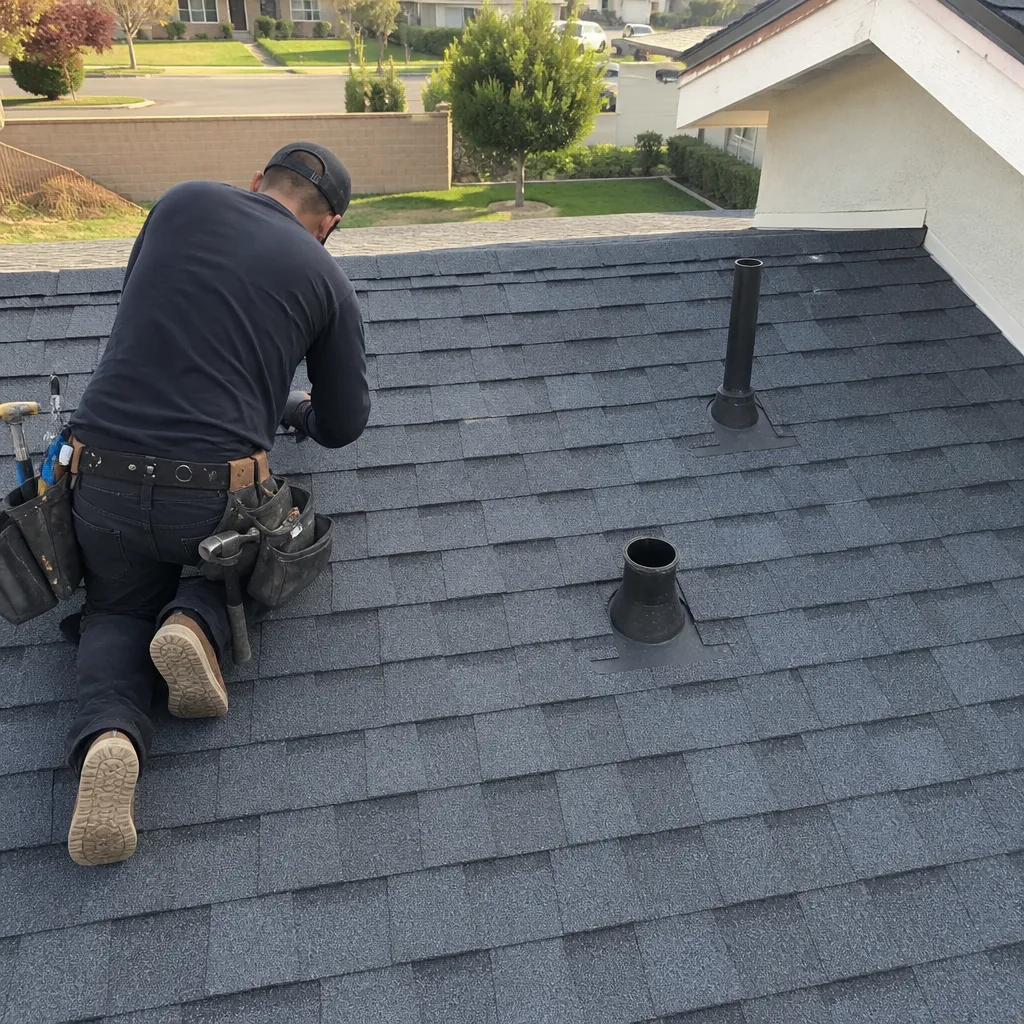
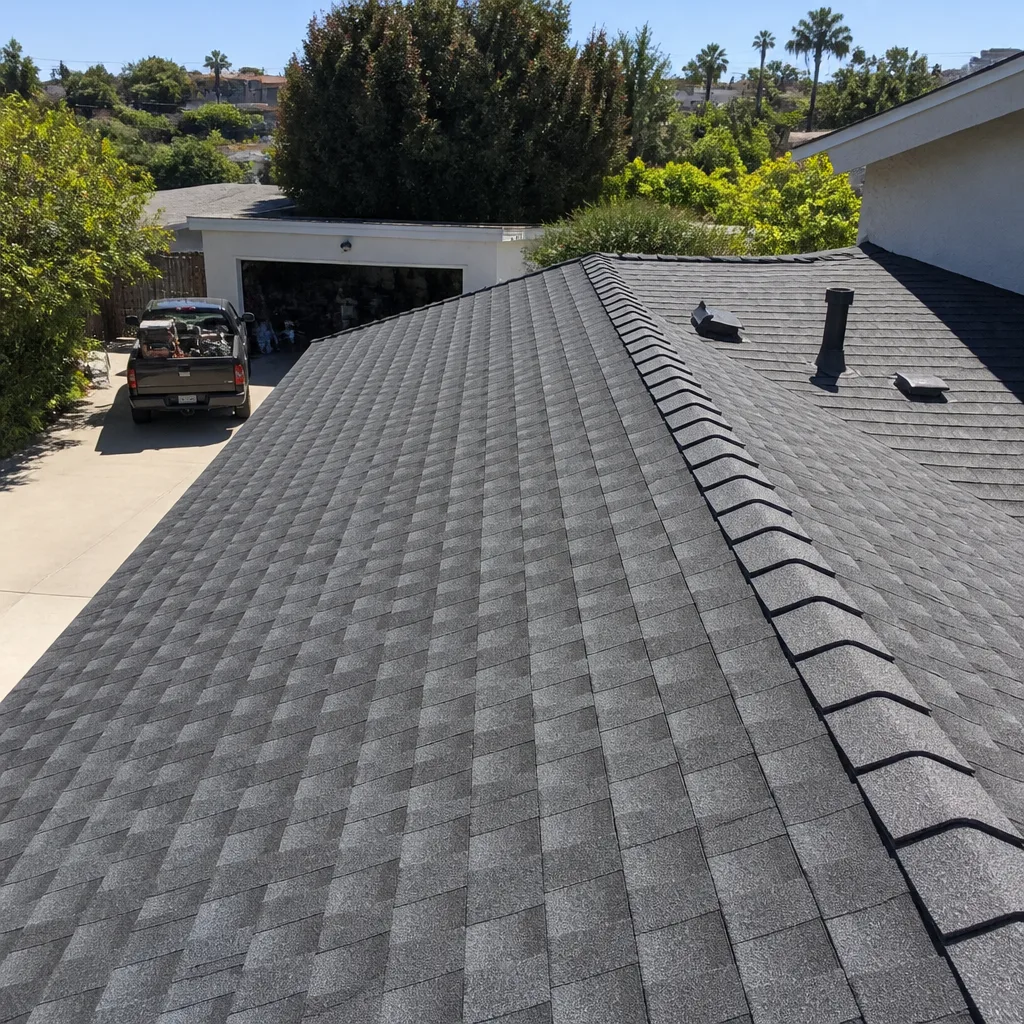
See the difference
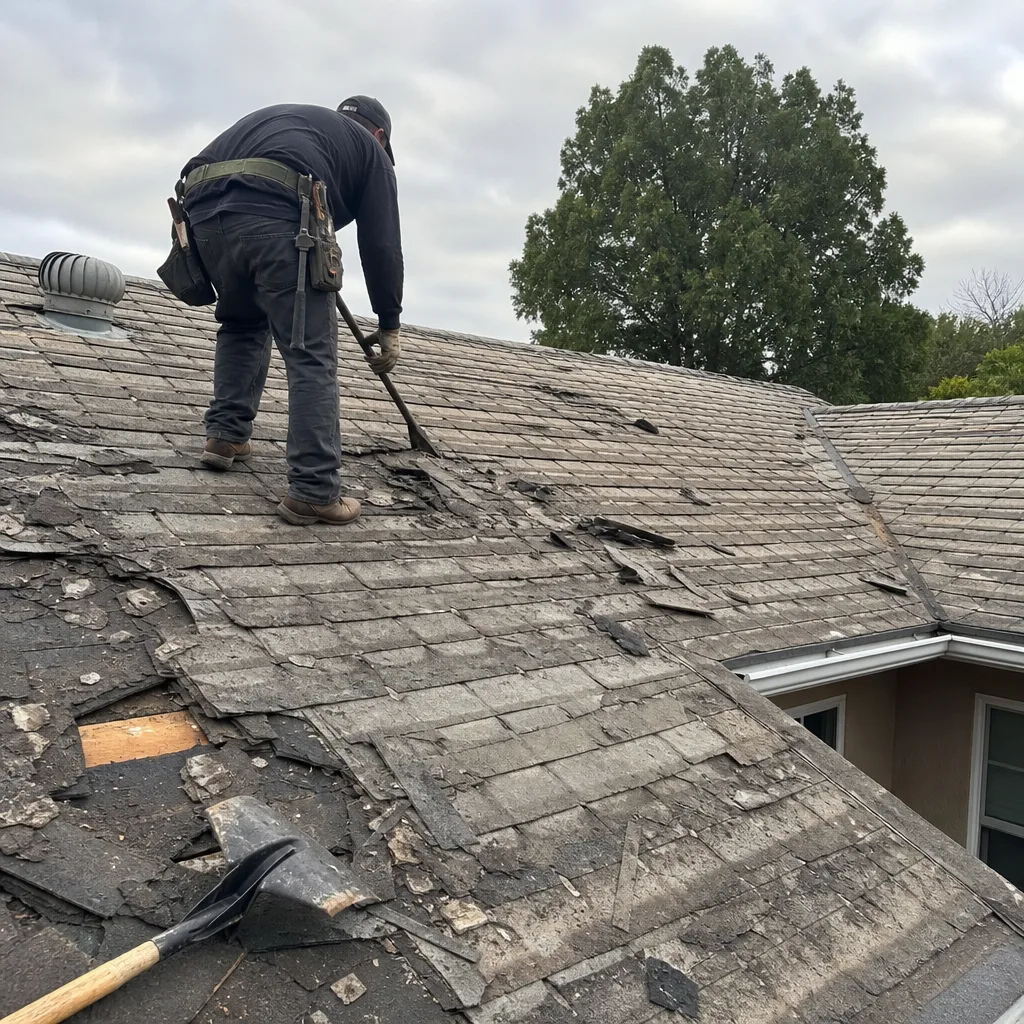 Before
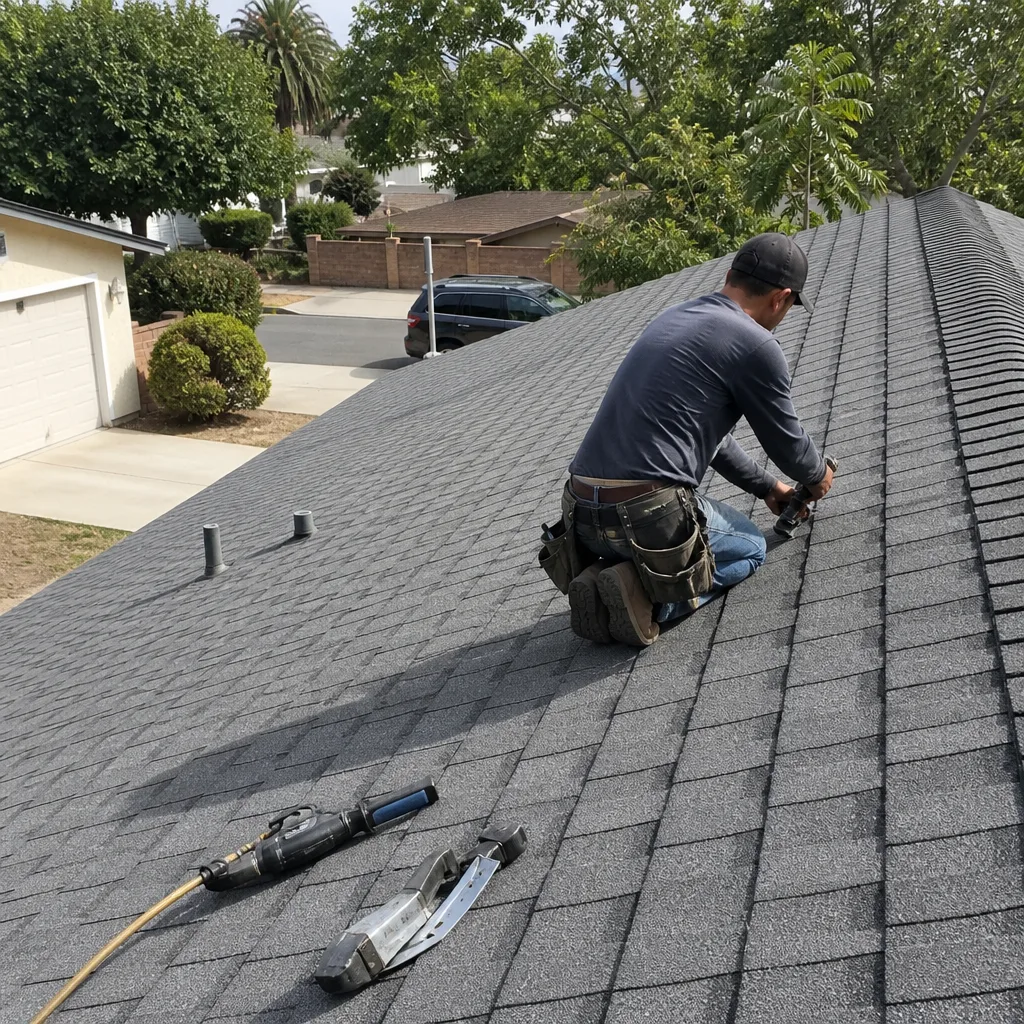 After
After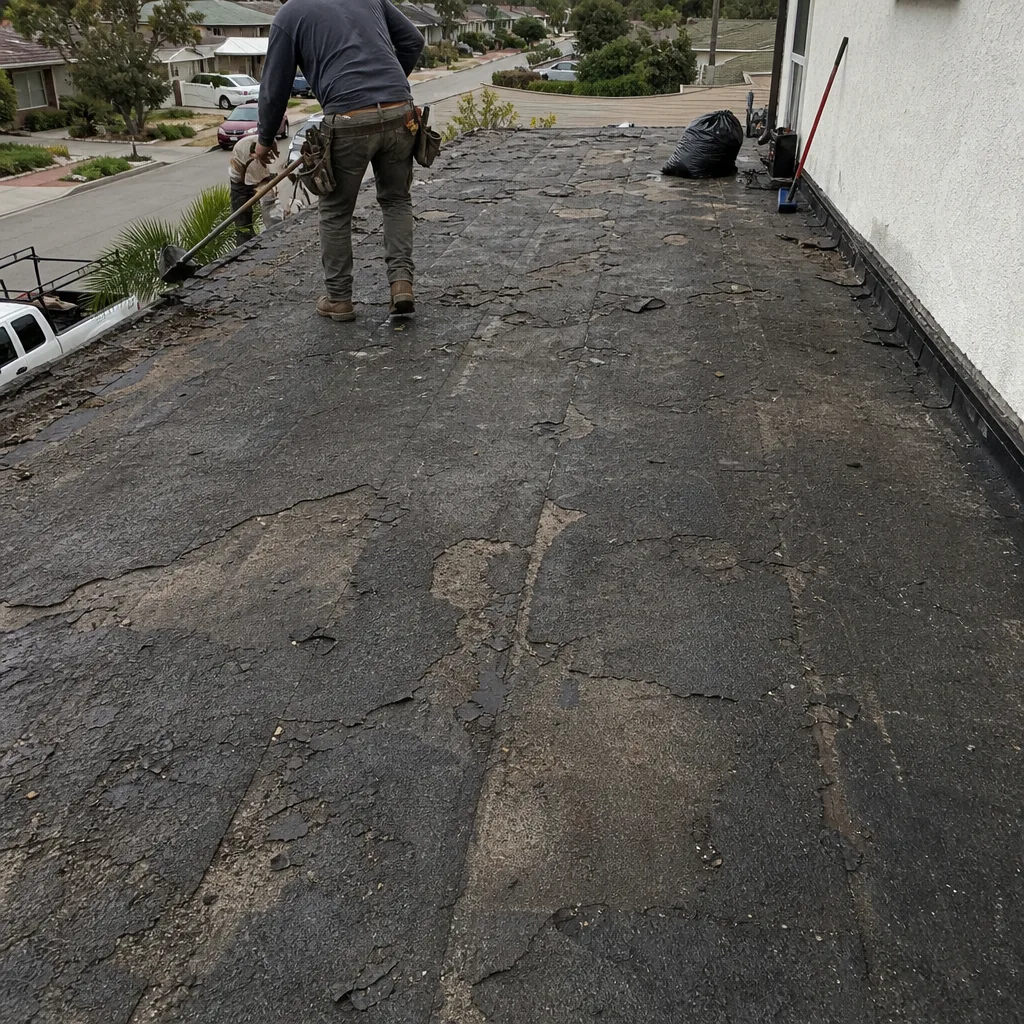 Before
 After
After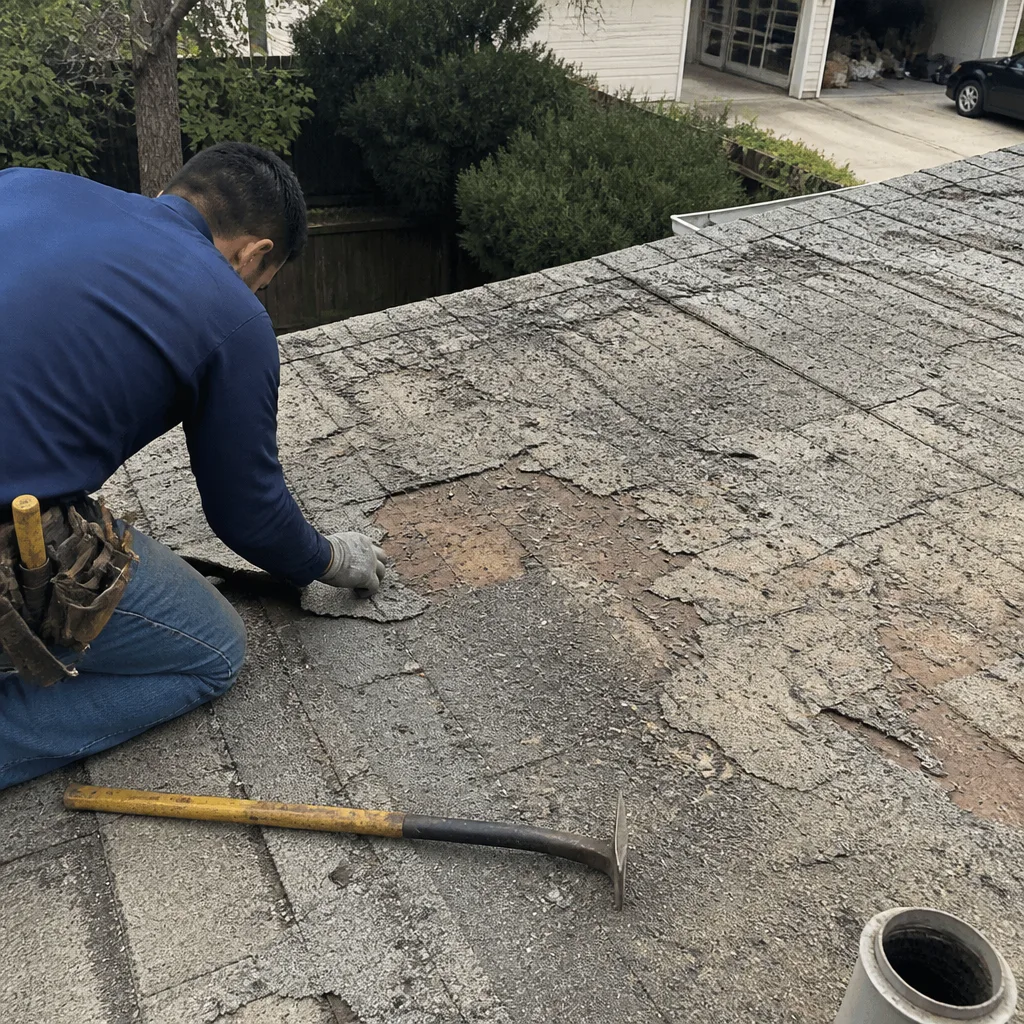 Before
 After
After