
Last updated October 17, 2026
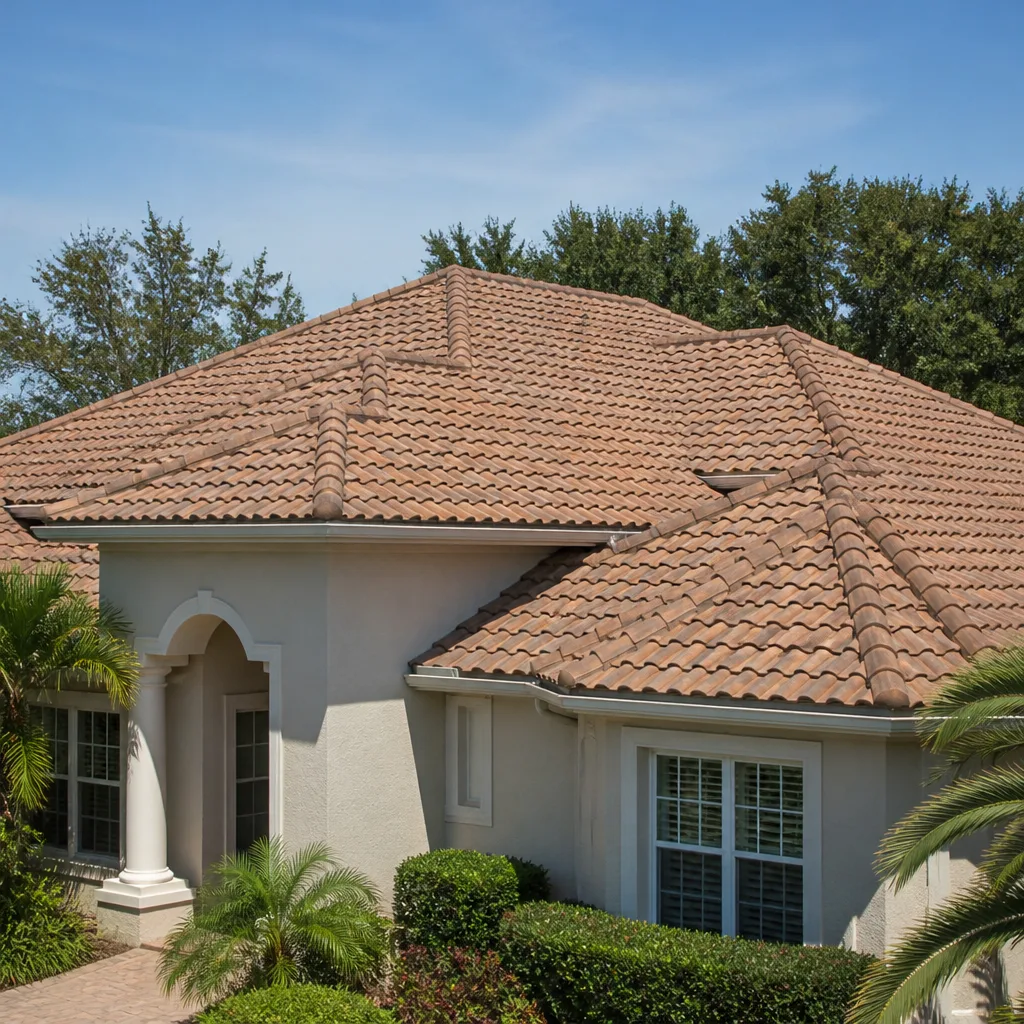 Tile roofing
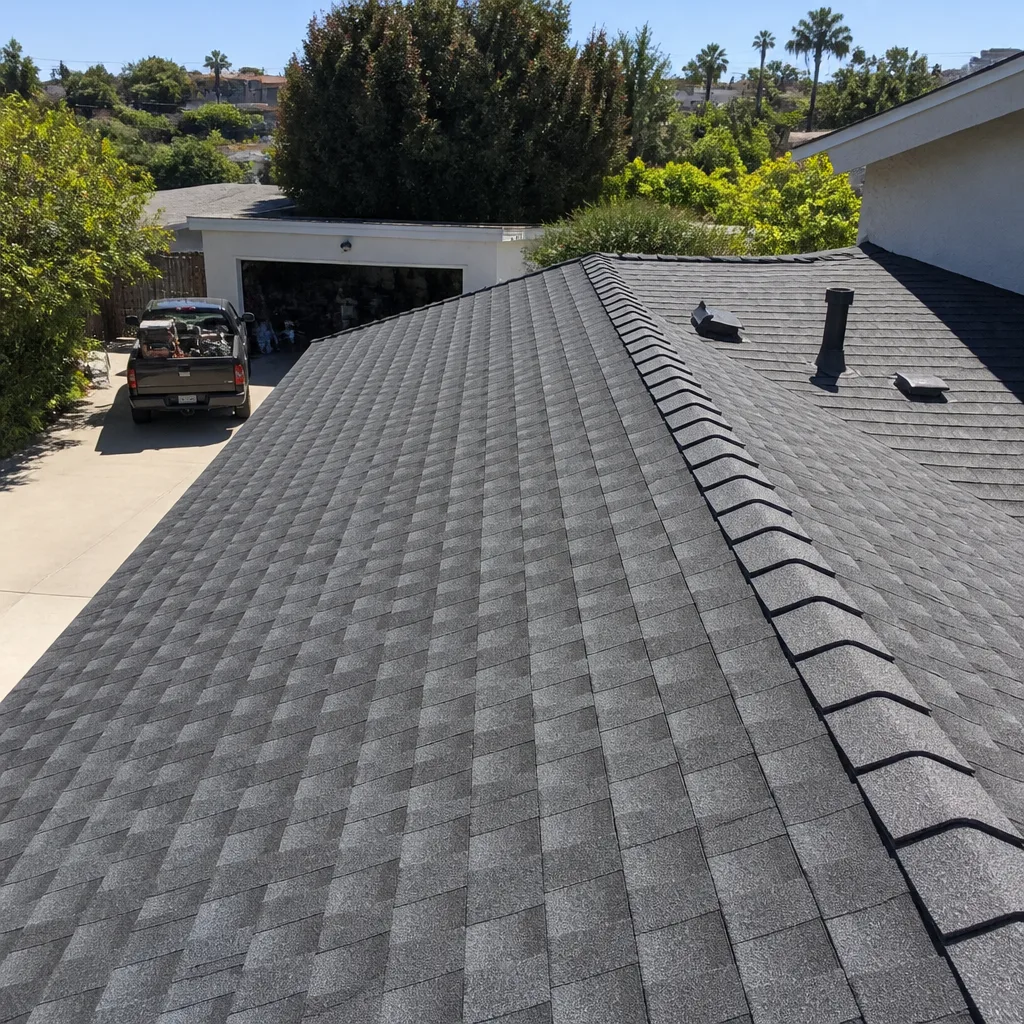
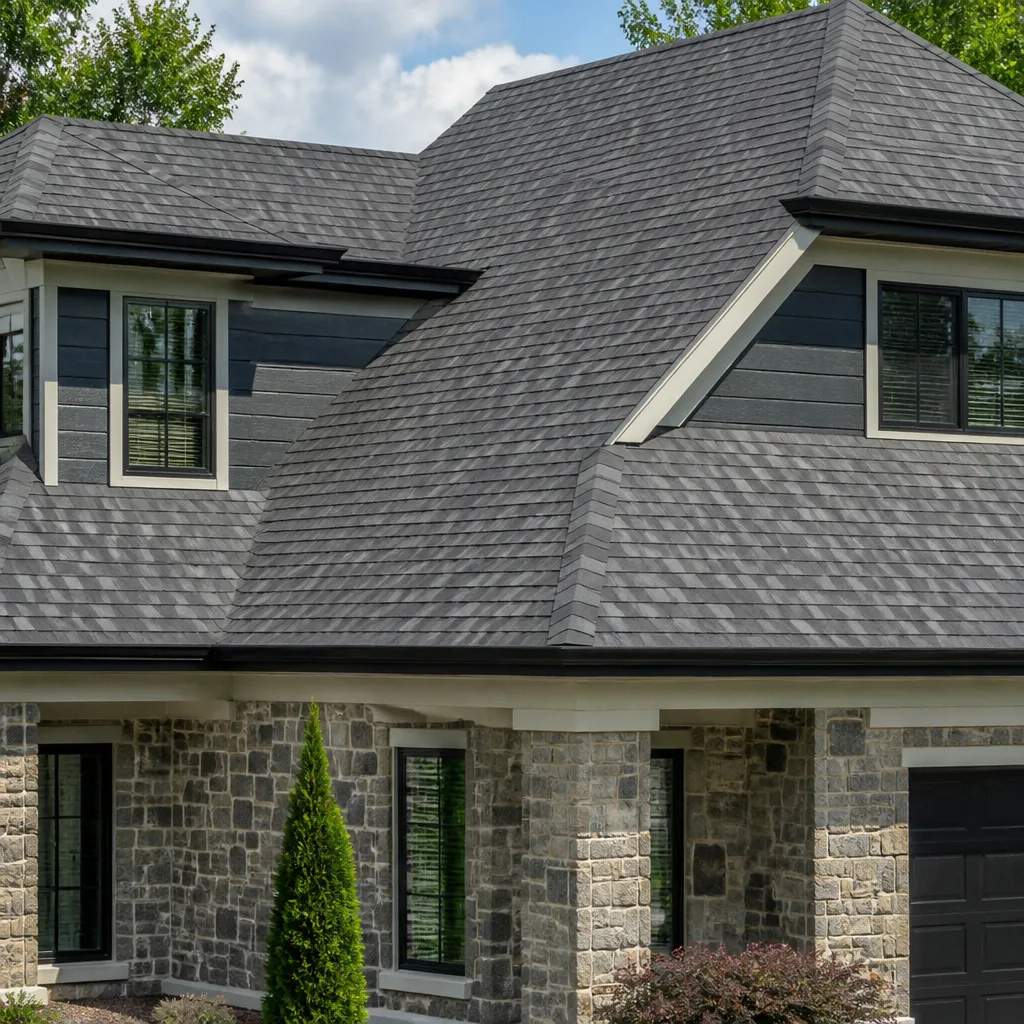 Architectural shingles
 GAF
GAF Owens Corning
 Flat & low-slope
Free roof inspection with deck photos before we talk money - GAF and Owens Corning certified installation
Seasonal Roofing Care for Ventura: Year-Round Homeowner’s Guide
Ventura doesn’t get the dramatic, roof-splitting winters that announce themselves with ice dams and three-foot snow loads the way a Minnesota roof does. What we get instead is quieter, and in a lot of ways more expensive: ultraviolet degradation that works on your shingles roughly 300 days a year, salt-air oxidation eating at metal flashing within a few blocks of the coast, and Sundowner winds that hit hard in September and October, right when most homeowners are thinking about anything but their roof. This guide walks through Ventura’s actual weather calendar, season by season, and tells you exactly what to check, when to check it, and what’s worth calling a pro about. For a deeper dive, see our Complete Guide to Roofing in Ventura. You’ll learn which month your roof takes its beating, which problems are visible from the ground, and which ones need eyes on the roof deck itself.
Quick Answer
Seasonal roof care in Ventura means checking for wind-lifted shingles after fall Sundowner events, watching for first-rain leaks in December and January, clearing eucalyptus and palm debris from gutters every spring, and inspecting ridge caps and flashing for UV and salt-air damage through summer. The four seasons here don’t match a national template: the most damaging wind events happen in the fall, not winter, and the marine layer creates hidden moisture problems in summer that most homeowners never think to look for. A dated photo file of your roof, updated every season, is the single best insurance against missed damage and complicated claims.
Styles & brands we work with
Table of Contents
- Fall (September – November): Sundowner Wind Events and the Damage You Don’t Hear
- Winter (December – February): First-Rain Inspection Priorities
- Spring (March – May): Post-Rain Assessment and Debris Clearing
- Summer (June – August): UV, Heat Cycling, and the Marine-Layer Mold Problem
- Year-Round: The Dated Photo File That Protects Your Resale and Your Claim
- Common Mistakes to Avoid
- When to Call a Professional
- Frequently Asked Questions
Fall (September – November): Sundowner Wind Events and the Damage You Don’t Hear
Sundowners are Ventura’s most underestimated roof stressor. These are the hot, dry, gusty winds that blow down from the Santa Ynez Mountains toward the coast, most often between September and November, and they routinely hit 50 to 70 miles per hour in the foothill neighborhoods. A roof that looks perfect in August can lose shingles, lift flashing, and shift ridge caps in a single night of Sundowner wind, and the damage isn’t always visible from the street because the wind hits the north and east roof slopes hardest, the ones you can’t see from the curb.
What makes Sundowners different from a winter storm is that they arrive without rain. That means there’s no leak to alert you. A shingle tears off, the underlayment gets exposed, and then weeks pass before the first rain arrives to exploit the gap. By the time water shows up on your ceiling in December, the damage has been done for a month or more, and the repair is bigger than it needed to be. This is the single most common pattern we see in roof repair in Ventura: a December leak that traces back to September wind.
After any wind advisory or high-wind warning for Ventura, walk the perimeter of your home and check the following:
- Shingles on the ground: Walk your yard and the strip between your house and the neighbor’s. Even one torn shingle in the driveway means your roof has a gap somewhere. And when you find the gap, it’s usually not alone. In our experience, if the wind was strong enough to pull one shingle, it pulled neighbors on the same slope too.
- Flashing seams: Check where the roof meets the chimney, vent pipes, and skylights. Sundowner wind can peel the leading edge of flashing away from the roof deck without removing it entirely. From the ground, look for any metal that appears lifted, bent, or catching light at an odd angle.
- Ridge caps: If your roof has a visible ridge line, scan it for missing or misaligned cap shingles or cap tiles. Ridge caps take the full brunt of wind because they sit at the highest point of the roof, and they are often the first piece to go.
- Downspouts and roof valleys: Even without rain, wind-driven debris (palm fronds, eucalyptus bark, sycamore leaves) is pushed into valleys and against downspout openings. This builds the clog that becomes a problem when the first real rain arrives.
Now is the time to have a roofer do a visual inspection if you find anything in this walkaround. The dry weeks between October and the first serious rain are the cheapest window for repairs all year, because whatever gets fixed now doesn’t get found by water later. Ventura’s first major rain has landed in late November or December most recent years, and the cost difference between fixing a lifted flashing seam in October versus repairing a water-stained ceiling in January is routinely four to five times.
Winter (December – February): First-Rain Inspection Priorities
The first rain after a dry summer is the moment every roof in Ventura reveals what the previous eight months did to it. This is not a theoretical statement. Months of UV exposure and heat cycling have opened hairline cracks in sealant, loosened the bond between shingles, and dried out flashing mastic. Then the rain arrives, and water finds every one of those gaps, sometimes traveling several feet along the roof deck before it drips onto your insulation. The first rain of the season is the most common time we get calls for active leaks in Ventura roofing.
Here’s what to check during and immediately after the first two or three significant rainfalls of the season:
- Check the attic during rain, not after it. Grab a flashlight and get into your attic while it’s actually raining. Water penetration on the roof deck shows up as dark, wet patches on plywood, or as moisture beading on nail points. If you wait until the rain stops, the deck dries, the water mark fades, and you can’t tell where the leak started. This is the single most useful inspection a homeowner can do without getting on the roof.
- Look for water stains on the underside of the roof deck, not just on the attic floor. Water stains on the decking run downhill and show up as dark streaks or discolorations. Stains on the attic floor may be old or current, but decking stains tell you where the water entered, which makes the repair much faster and cheaper.
- Check ceilings and upper walls under known roof penetrations. Chimneys, vent boots, skylights, and plumbing stacks are the most common leak points in Ventura. After the first rain, check the ceiling around each of these. A water stain might be as small as a coffee cup ring, but it’s a direct signal that water got through.
- Walk the exterior and check downspouts for flow. If one downspout isn’t flowing while others are, that’s a valley or gutter clog, and water is backing up somewhere it shouldn’t. In Ventura, the winter clog is usually a combination of pine needles, palm fibers, and eucalyptus leaves from the fall.
- Document everything. Photograph any stain, any wet spot, any anomaly. Include a piece of paper with the date in the photo if you can, or just make sure the photo file is date-stamped. These photos are the beginning of either a repair request or an insurance claim, and having them from day one will make both easier.
If you find active water intrusion, don’t wait. Water moves quickly through roof assemblies, and a small leak into the attic in December can become wet drywall, mold, and ruined insulation by February. The cost structure is simple: find it in the attic during the first rain, and it might be a flashing repair for a few hundred dollars. Find it when the ceiling paint bubbles in March, and you’re likely into roof replacement in Ventura territory on that slope, plus interior drywall work. If you’re not comfortable getting into the attic, any reputable roofer in Ventura can perform a leak investigation, which is almost always cheaper than waiting.
Spring (March – May): Post-Rain Assessment and Debris Clearing
Spring is the season for honest assessment. The winter rains have done their testing, and now you know what held and what didn’t. But spring in Ventura also brings a specific debris problem that most national seasonal-roof-care guides don’t address: eucalyptus bark ribbons and palm frond fibers accumulate in gutters, valleys, and downspouts in quantities that overwhelm drainage systems, especially in the older neighborhoods east of downtown and throughout the foothill corridors.
Here’s what spring maintenance in Ventura should include:
- Clear every gutter and downspout. This is not a cosmetic task. A clogged gutter in March means standing water in April, which accelerates rust on any metal component and gives birds and rodents a place to nest. In Ventura, the two biggest culprits are eucalyptus bark and palm fronds, both of which are fibrous and form mats rather than loose piles. These mats don’t break down quickly, and they don’t wash through on their own. They have to be pulled out by hand. If you are doing this yourself, use a ladder safely, have a second person foot it, and never rest the ladder against a gutter or downspout, which can crush the aluminum and create a new drainage problem.
- Inspect valley metal and flashing after debris removal. Debris sitting in a roof valley holds moisture against the metal for months, which accelerates oxidation, especially within a few miles of the coast where salt is in the air. After you clear the debris, look for rust bloom, pitting, or separated seams in the valley flashing.
- Check for granule wash. Check the bottom of all downspouts and the ground below the roofline for granules, the small, pebble-like surface material from composition shingles. After a full rainy season, some granule loss is normal. But if you see piles of granules at the downspout exits, or granules filling the gutter, your shingles are losing surface faster than they should, and it’s a sign that the roof is aging faster than standard, often from years of intense UV exposure.
- Photograph the roof from the ground at all four corners. This becomes the first entry in your seasonal photo file for the year. More on this below, under the documentation section.
- Look for any winter-adjacent vegetation. Branches that grew against the roofline this winter, vines that attached to fascia boards, and tree limbs that now hang within a few feet of shingles. These are abrasive in the wind and create pathways for squirrels and rats, which are active in Ventura year-round and see your attic as prime real estate.
If you find debris clogging areas of your roof that are difficult or unsafe to access, a licensed roofer can handle the clearing along with a full post-rain inspection. The spring inspection is also the time when we most often catch slow, sealant-level failures that didn’t leak yet but will by next winter. Fixing a worn pipe boot in May costs less than a ceiling patch in December. That’s the whole seasonal-care equation in one sentence.
Summer (June – August): UV, Heat Cycling, and the Marine-Layer Mold Problem
Ventura summers don’t destroy roofs with heat the way Phoenix summers do, but they have a particular signature that many homeowners never recognize as roofing damage. The combination of intense UV exposure with a daily marine layer that rolls in for most of June and July in Ventura’s coastal corridors creates a moisture-and-sun cycle that is genuinely hard on roofing systems, and it hits different roof types in different ways.
Composition shingles: UV is the primary enemy. Over years of Ventura sunlight, the bitumen in asphalt shingles becomes brittle and loses its flexibility. Then the daily heat cycle, from mid-50s overnight to mid-70s or 80s by afternoon, causes repeated expansion and contraction. Brittle shingles don’t flex with this cycle. They crack, especially at the corners and along the edges where shingles are nailed. A cracked shingle doesn’t leak immediately. But it loses its protective granule layer more quickly, and it provides an opening for the next year’s first rain. By late August, after three months of continuous UV and cycling, a roof at the 18-to-22-year mark often shows a visible acceleration of wear.
Tile roofs (clay or concrete): Tile handles UV much better than composition, but the underlayment beneath the tile does not. Ventura tile roofs are common, and the underlayment is the actual waterproofing layer. UV penetrates through the gaps between tiles and degrades the underlayment over time. On tile roofs, the bigger summer concern is the combination of foot traffic and brittleness. Concrete tiles become more brittle with age and heat. If anyone walks on the roof for any reason (satellite dish service, solar panel cleaning, Christmas light removal), the risk of cracked tiles is highest in late summer when the tiles are hottest and most brittle.
The marine-layer mold issue: This is the problem most national guides miss entirely. In Ventura’s coastal neighborhoods, the marine layer brings nights and mornings of high humidity that lasts for weeks in June and July. On many roofs, especially those with poor attic ventilation, the overnight condensation meets the warm roof deck from the day’s heat, and the deck surface stays damp in the protected space under ridge caps and in valleys. This is the precise environment where mold and mildew grow on the underside of the roof deck, and the homeowner never sees it until a repair exposes it. We’ve opened decks in Ventura where the mold was concentrated directly under ridge vents, climbing from the eaves, never visible from inside the house.
What to do in summer:
- Check ridge caps and attic ventilation from the outside. Look for visible gaps, lifted caps, or any ridge vent that appears compressed or warped. Then go into the attic on a warm afternoon. If the attic is significantly hotter than the outside air, your ventilation isn’t moving enough air, and the marine-layer moisture cycle is likely acting on your deck.
- Look at attic insulation for darkening or moisture staining. Even without active rain, condensation can darken insulation over time, especially near the eaves and gable ends. This is a sign of a moisture problem that isn’t solving itself.
- Check sealant around skylights, vents, and any roof-mounted equipment. Sealant degrades faster in high UV environments. Ventura gets about 300 days a year of sun, and the sealant on a skylight curb can dry, check, and crack within a few years. Summer is the time to identify sealant failure before rain tests it.
- Document the condition now. Summer is the baseline for your annual photo file. Your roof in August is at its most UV-exposed state, and having this photo set makes the post-winter comparison meaningful.
If your attic feels like a sauna in July, or if you see dark sections on the underside of your roof deck when you look from the attic access, those are not things to wait on. A ventilation evaluation from a professional roofer is inexpensive, and correcting under-ventilation is one of the most effective ways to extend the life of whatever roof system you have.
Year-Round: The Dated Photo File That Protects Your Resale and Your Claim
Every homeowner in Ventura should keep a simple, dated photo file of their roof. This is not a home-improvement nicety. It is the difference between an insurance claim that gets paid and one that gets denied, and the difference between a buyer who trusts the roof condition and one who negotiates $10,000 off the asking price because there’s no proof the roof was maintained.
Here’s the process we recommend, and it costs nothing but ten minutes per season:
- Create a folder on your phone or computer named “Roof [Year]”. Inside it, create four subfolders: Spring, Summer, Fall, Winter.
- Once per season, photograph your roof from all four corners of the house, plus any visible roof sections from upper windows. Use the same vantage points every time so the photos are directly comparable year to year.
- During or after significant weather events, photograph anything unusual. Shingles on the ground after a Sundowner. A water stain in the attic after a winter rain. A lifted ridge cap you noticed from the sidewalk. These event-specific photos go in the relevant season folder.
- If you have any work done, add one photo of the completed repair or replacement, with a date. Our crews at Birchbark Roofing Ventura take photos of every completed job, including the clean-up, and we’re happy to share them with homeowners for this file. This becomes the proof that the roof was maintained when you go to sell or file a claim.
- Review the file once a year, in early fall, before the Sundowner season starts. Most people never do this, but a ten-minute annual review of four seasons of photos will show you changes you’d otherwise miss: a tree limb growing closer to the roofline, a shingle reflection that looks different in September than it did in March, a section of ridge cap that has shifted.
This file serves three functions. For insurance: when a wind event or storm damages your roof, the adjuster sees a photo history showing the condition before the event, and the claim is processed faster and more fairly. For resale: when you sell, the file demonstrates maintenance, which protects your asking price and shortens negotiations. For prevention: when you look at four seasons of photos side by side, you see problems at the earliest stage, when repairs are measured in hundreds of dollars, not thousands.
Common Mistakes to Avoid
- Waiting for a leak to inspect the roof. By the time water shows up inside your Ventura home, the roof has been compromised for weeks or months. A leak is the last symptom, not the first. Seasonal ground-level checks catch problems when they are still surface-level.
- Ignoring the first rain because “the roof looked fine.” The first rain is a test. If you don’t check the attic during that test, you’re throwing away the cheapest diagnostic opportunity of the year. A dry attic after the first rain is information. A wet one is also information, and the faster you act on it, the smaller the repair.
- Letting eucalyptus and palm debris sit in gutters and valleys until “next time.” In Ventura, this debris forms fibrous mats that hold moisture for months. They don’t decompose quickly, and they create corrosion, rodent harborage, and overflow. Debris removal is a seasonal task, not a biennial one.
- Walking on a tile roof yourself, especially in summer. Tile roofs are brittle when hot, and foot placement on a tile roof matters, which is why we train our crews on weight distribution and cracked-tile replacement. A homeowner walking a tile roof to “take a look” causes more damage than the original inspection would have found.
- Assuming the marine layer isn’t a roofing issue. Months of overnight humidity in Ventura’s coastal neighborhoods are a legitimate structural concern for roof decks, particularly on under-ventilated roofs. Ignoring attic moisture signs because “it doesn’t rain in summer” gives mold a running start.
- Not documenting the roof condition each season. An undocumented roof is a liability at claim time and at sale time. Dated photos are free and ten minutes per season. No other single action protects the roof’s value like this.
- Trusting a handshake price from a roofer who won’t write it down. A written price before any work starts is not a luxury. It’s the minimum standard. We provide a written price in dollars before we touch the roof, every time, because a roofer who won’t commit to a number on paper is a roofer who changes the number later. If a roofing company can’t provide this, keep looking.
When to Call a Professional
Some seasonal roof work is safe and sensible for a homeowner: clearing ground-level debris, photographing the roof, checking the attic during rain, walking the perimeter. Other work should be left to a pro, because the risk is not worth the savings-see our DIY vs Professional Roofing guide for Ventura homeowners.
Call a professional if you find any of the following: active water intrusion in the attic or ceiling, shingles or tiles missing from any slope you can’t fully see from the ground, lifted or separated flashing at a chimney or skylight, visible sagging in any roof line, granule wash clogging downspouts, or any sign of mold or widespread moisture staining in the attic. Also call if your roof is more than 15 years old and hasn’t had a professional inspection in more than three years, or if you’re preparing to sell and want the roof documented and any issues addressed before listing. Not sure who to trust? Read How to Hire a Roofing Contractor in Ventura.
Birchbark Roofing Ventura offers free estimates in Ventura. Call (350) 240-5534, and we’ll schedule a time to walk the property with you, identify what we’re seeing, and give you a written price before anything starts.
Frequently Asked Questions
Twice a year minimum: once in early fall, before Sundowner season, and once in early spring, after the winter rains. We also recommend a ground-level walkaround after any high-wind event and an attic check during the first significant rain of the season. If you do all four, that’s four inspections a year, which is more than most roofs get and enough to catch problems at the repair stage rather than the replacement stage. Call (350) 240-5534 if you want a professional inspection instead.
Sundowner wind events in the fall are the biggest acute threat, because they arrive without rain, cause hidden damage, and then the winter rain exploits it. The biggest chronic threat is UV degradation from roughly 300 days of sun per year, which quietly ages composition shingles and sealant faster than the national averages that many roof lifespan estimates are based on.
Yes, in a specific way. The marine layer brings months of high overnight humidity to Ventura’s coastal neighborhoods, and that moisture condenses in the undersides of roof decks, especially under ridge caps and in poorly ventilated attics. The result is hidden mold, mildew, and gradual decking degradation that has nothing to do with rain. Good attic ventilation solves most of it.
We strongly advise against it, especially in summer when tiles are hottest and most brittle. Concrete and clay tile both become more breakable with age and heat, and foot placement matters even for professionals. A ground-level inspection, plus photos from upper windows, will tell you most of what you need to know. If the roof needs a closer look, call a roofing company that is experienced with tile and knows how to walk it without cracking it.
Many seasonal inspections are straightforward, and the cost depends on what’s found. At Birchbark Roofing Ventura, we provide a free estimate for any roof work in Ventura, and the estimate includes an inspection of the area that will be worked on. Call (350) 240-5534 and we’ll walk you through what we check and what it costs before anything starts.
It depends on the extent of the damage and your deductible. Your seasonal photo file is your strongest evidence, which is why we recommend keeping one. If the damage is localized, a few shingles or a single section of flashing, paying out of pocket is often the better path because the repair cost may be below or near your deductible, and a claim can affect your premiums. If the damage is widespread, the photos you’ve kept will make the claim process much smoother.
Walk the perimeter, check the ground for shingles or tiles, scan the ridge line and flashings from the ground, and photograph anything unusual. If you find anything, call a roofer before the first rain. The dry window between a fall Sundowner and the first winter rain is the cheapest repair window of the year. Call (350) 240-5534 for an assessment.
The Bottom Line
Ventura’s roofing calendar doesn’t match the four-season national template, and the homeowners who understand that save the most money. Sundowner winds do the real acute damage, and they do it in the fall, not winter. The first rain is a test that reveals what happened, and checking the attic during that rain is the single most valuable habit any homeowner can adopt. Spring is for clearing the eucalyptus and palm debris that holds water and hides problems. Summer is for checking ventilation, sealant, and the marine-layer moisture cycle that damages decks from underneath. And a dated photo file, updated every season, protects every other effort. If you’re in Ventura and want a professional set of eyes on any of this, we’re happy to help, and you can find more guides & resources on our blog.
Call Birchbark Roofing Ventura at (350) 240-5534 for a free estimate, a written price before any work starts, and a job done carefully, from tear-off to clean-up.
Written by Erik Lindgren, Owner at Birchbark Roofing Ventura, serving Ventura since 2000.
See the difference
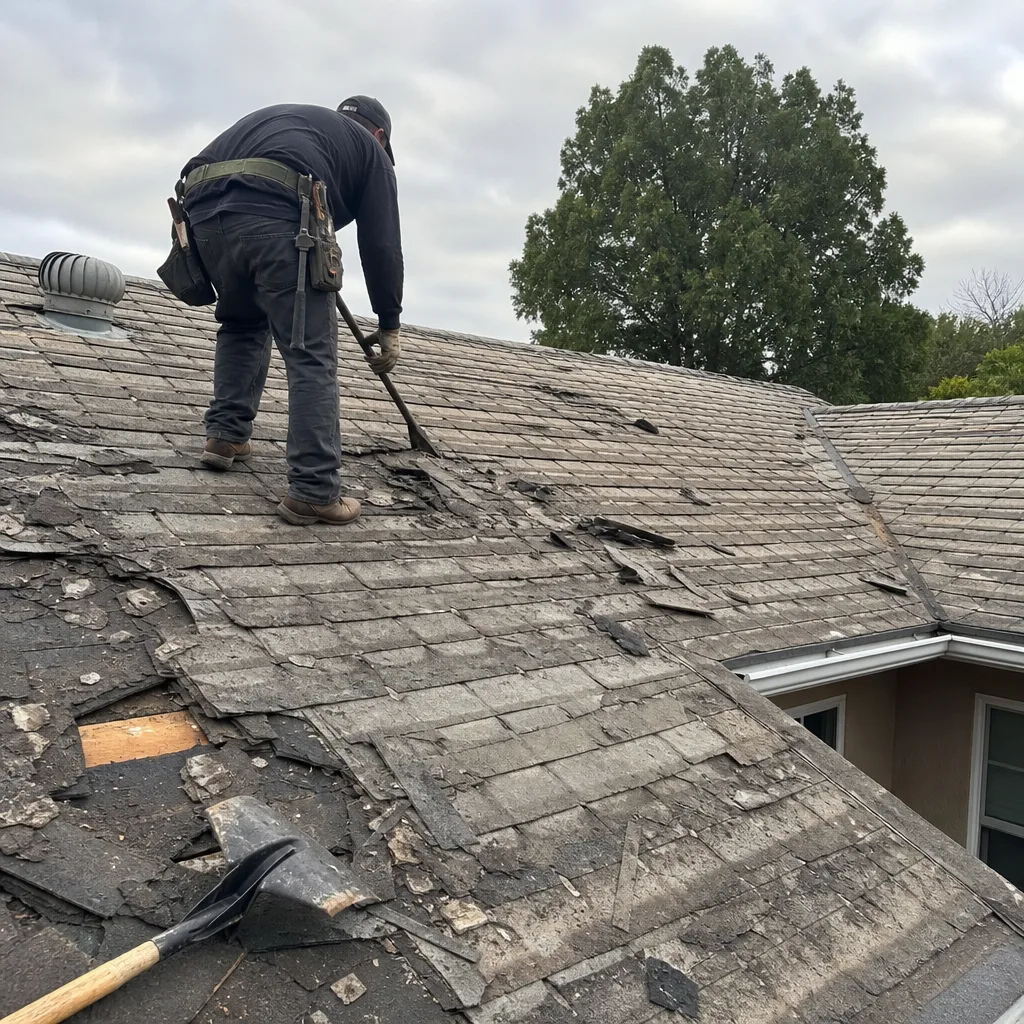 Before
 After
After Before
 After
After Before
 After
After