
Last updated October 17, 2026
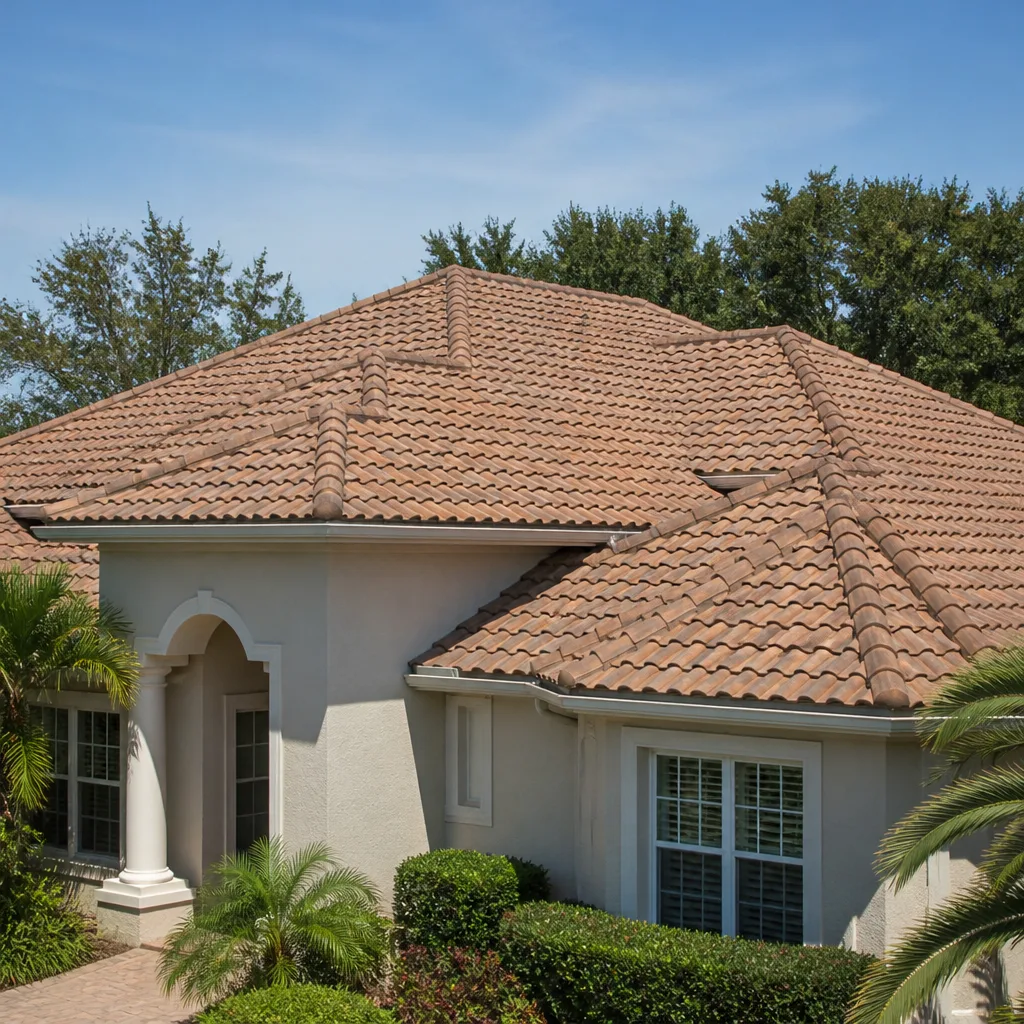 Tile roofing
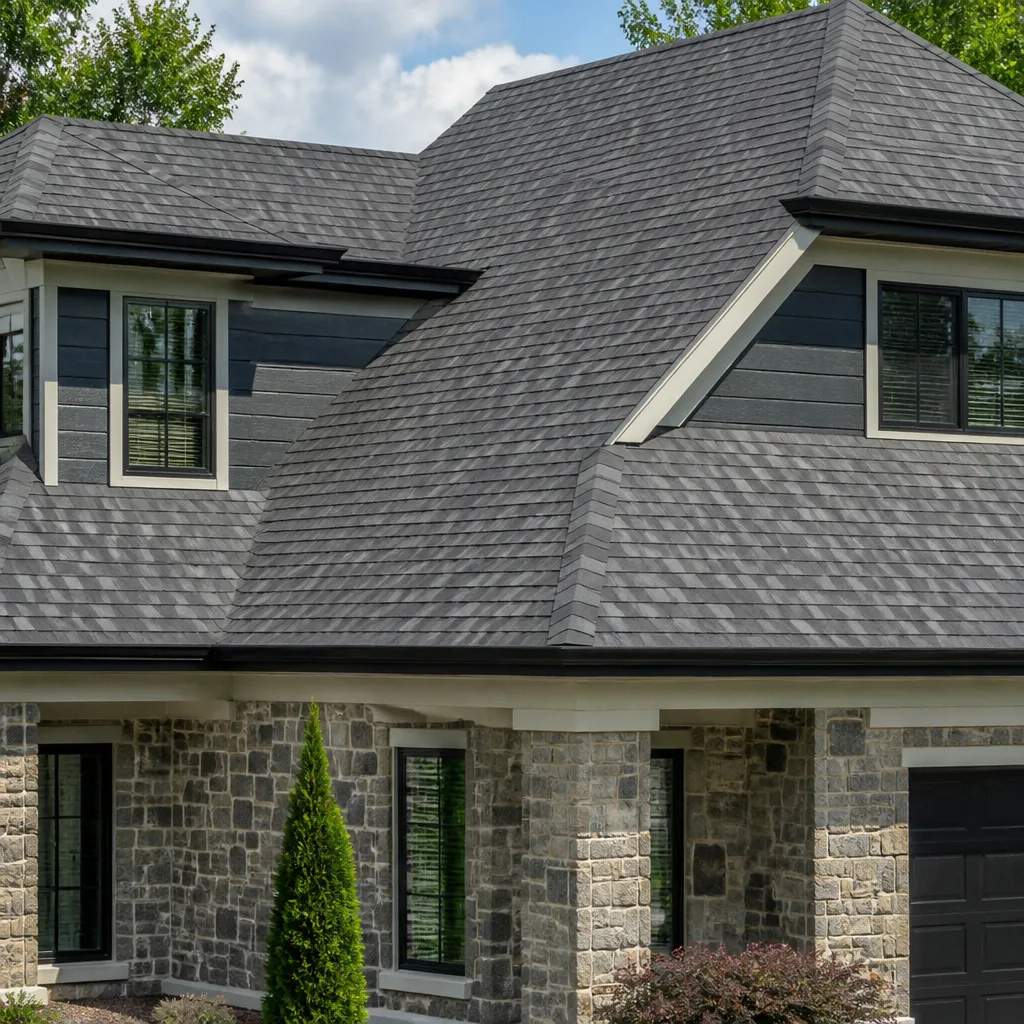 Architectural shingles
 GAF
GAF Owens Corning
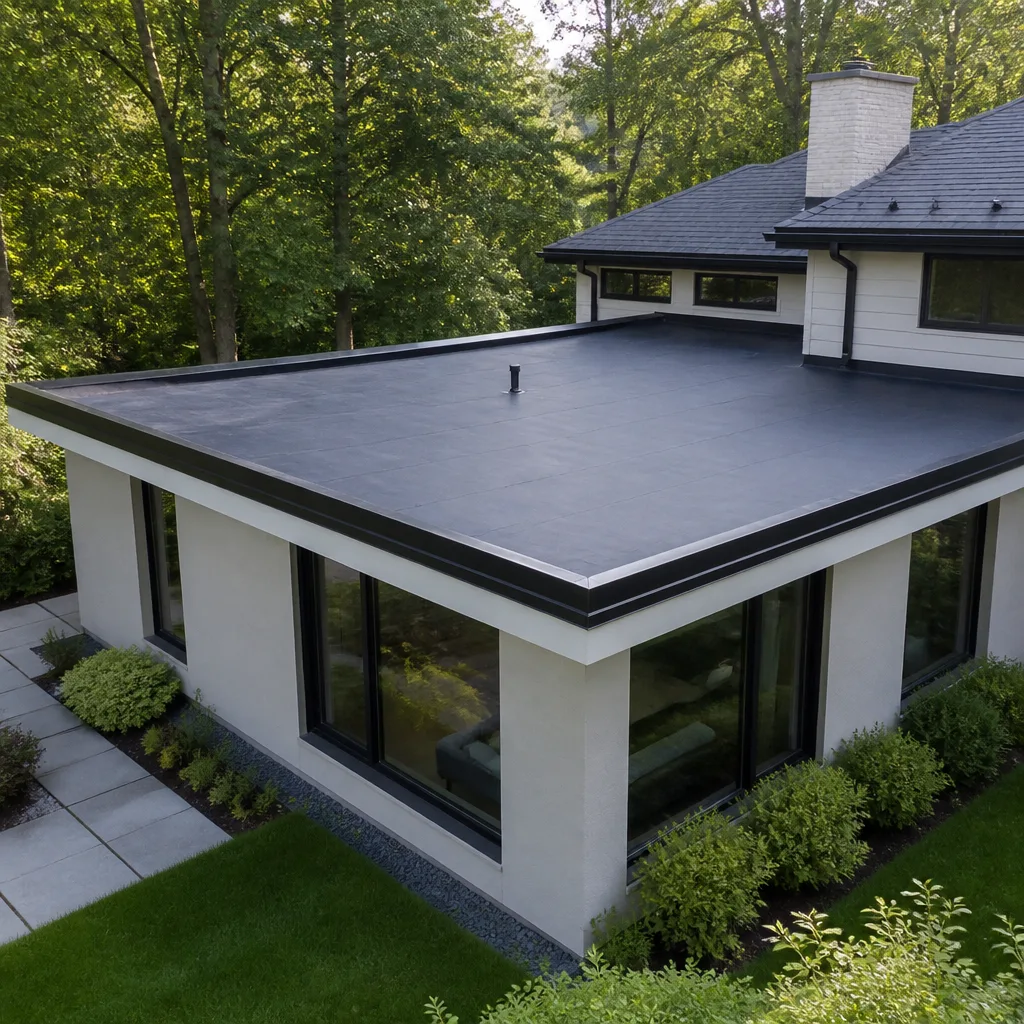 Flat & low-slope
Free roof inspection with deck photos before we talk money - GAF and Owens Corning certified installation
DIY vs Professional Roofing: The Ventura Homeowner’s Decision Guide
In California, a homeowner can legally perform their own roofing work on a home they own and occupy. That part surprises most people. What seldom gets mentioned is what happens later: the moment you sell the home, an unpermitted DIY re-roof you did yourself becomes a disclosure item that can reduce your sale price or require licensed remediation before escrow closes. This guide walks through where the real line sits for Ventura homeowners between what a capable person can safely do on a Saturday and what quietly becomes a liability the day you hand over the keys; for more guides & resources, see our blog.
Quick Answer
DIY roof work in Ventura makes sense for small, isolated repairs on accessible roof areas: replacing one cracked concrete tile, clearing and resealing a short valley, or patching a pipe boot flashing. It stops making sense the moment a job involves a permit, an insurance claim, underlayment removal, or anything near a chimney or roof penetration. For those, hire a licensed professional and get the work documented in writing.
Styles & brands we work with
Table of Contents
- What California Law Actually Allows a Homeowner to Do
- Permit Requirements for Owner-Performed Work in Ventura
- The Honest Risk List for Ventura DIY Roofing
- Three Repairs a Competent Ventura Homeowner Can Handle
- Three Situations Where DIY Costs More Than It Saves
- How to Document a DIY Repair So It Doesn’t Haunt You Later
- Common Mistakes to Avoid
- When to Call a Professional
- Frequently Asked Questions
- The Bottom Line
What California Law Actually Allows a Homeowner to Do
California Business and Professions Code Section 7044 exempts homeowners from contractor licensing requirements when they perform work on their own primary residence. That means you can legally re-roof your own house in Ventura without holding a C-39 roofing license. The exemption applies only to a home you own and occupy. It does not apply to rental properties, investment homes, or work on a house you’re flipping. It also does not extend to hired helpers: anyone you pay to assist with the work must hold their own contractor’s license or work under one.
The exemption covers the licensing question. It does not cover the permit question. In Ventura, like most California cities, roofing work that involves removing more than a small repair area triggers building permit requirements under the California Building Code and the city’s local amendments. A homeowner pulling an owner-builder permit takes on the same legal responsibility a licensed contractor carries: the work must meet current code, pass inspection, and remain on record with the city. If the work fails inspection or causes damage later, the owner-builder is personally liable with no licensing board or contractor bond to absorb the claim.
We’ve seen this distinction matter most when homeowners try to save money on a full tear-off. The licensing exemption lets you do the labor. It doesn’t shield you from the consequences of doing it wrong. A roof replacement in Ventura that fails a city inspection can end up costing more than hiring a licensed crew from the start, because you’ll pay for tear-off twice and may need to bring in a licensed contractor to sign off on corrections.
Permit Requirements for Owner-Performed Work in Ventura
Ventura requires a building permit for any roof work beyond a repair of less than 10% of the roof area within a 12-month period. A single cracked tile does not need a permit. Replacing the underlayment across an entire roof plane does. Re-sheathing sections of the roof deck requires a permit and an inspection before the new roofing goes on. The city’s building division reviews plans for structural load, fire rating, and drainage compliance, and the inspector will want to see nailing patterns, underlayment laps, and flashing details before signing off.
For an owner-builder permit, the city requires you to sign a declaration that you own and occupy the home and that you understand the work must comply with the California Residential Code. You’ll also need to show that you’re physically doing the work yourself, or directing hired workers who are properly licensed. Some insurance companies ask for proof that permit work was inspected and closed before they’ll renew a policy or pay a claim tied to water intrusion.
If you’re in a Ventura neighborhood with an HOA, such as parts of east Ventura or the hills above Foothill Road, check your CC&Rs before any visible roof work. Some associations restrict tile color and material type, even for like-for-like replacement. A permit doesn’t override a covenant. Getting both approvals in writing before you start is the difference between a finished roof and a letter from the board.
The Honest Risk List for Ventura DIY Roofing
We’re not going to tell homeowners to stay off their roofs entirely. We will tell you which risks are real in this specific city, based on the homes and roof types we work on from the Avenue to the Keys. Here’s what actually hurts people and homes in Ventura:
- Fall risk on clay and concrete tile. Ventura’s older neighborhoods, from midtown bungalows to hillside homes above Poli Street, carry heavy tile roofs. Tile gets brittle with age and salt air. A step that looks solid can crack underfoot and send you sliding. Most DIY injuries we hear about start with “I was only going up for a minute.”
- Improper flashing is the leading cause of professional call-backs. In our repair work across Ventura, the single most common fix we make after a DIY attempt is flashing around chimneys, skylights, and sidewalls. The homeowner used roofing cement or the wrong gauge metal, and water found the seam within one rainy season.
- Voided manufacturer’s warranties. When a homeowner installs GAF, CertainTeed, or Owens Corning materials without a certified installer, the manufacturer’s material warranty is typically void from day one. Some brands limit coverage to installation work by factory-certified contractors. You keep the receipt; you don’t keep the warranty.
- Salt air corrosion. Homes in Ventura’s coastal zones, from Pierpont to the Ventura Keys, face accelerated corrosion on flashing and fasteners. DIY repairs using standard galvanized steel can rust out in a few years. Coastal-rated materials cost more and require specific installation practice.
- Insurance claim complications. If a DIY repair fails and causes interior damage, your insurer may deny the claim on the grounds that unqualified work caused the loss. The licensing exemption doesn’t extend to your policy’s fine print.
For most Ventura homeowners we meet, the question isn’t whether they’re handy. It’s whether they want to carry the risk of a bad flashing detail through the next storm season. A roof repair in Ventura done by a licensed pro comes with a workmanship warranty and a paper trail your insurance company recognizes.
Three Repairs a Competent Ventura Homeowner Can Handle
We believe some roof work is genuinely appropriate for a careful homeowner with the right tools and a healthy respect for heights. These three repairs are small, isolated, and reversible if something goes wrong. They don’t touch underlayment or structural decking, and they don’t require a permit in Ventura.
- Replacing a single cracked tile. On a concrete or clay tile roof, you can remove a broken tile by sliding a flat bar under the tile above it, lifting the damaged piece, and sliding a replacement into place. Match the tile profile and color as closely as possible. Ventura tile suppliers on Market Street keep common profiles in stock. Take a photo of the broken tile with you. Work from a ladder or a proper roof harness, and never step on tile edges or valleys.
- Clearing and resealing a short valley. Valleys channel water between roof planes. Debris builds up in them, especially after Santa Ana winds blow eucalyptus and palm fronds across Ventura roofs. Clear the valley by hand, check the metal for pinholes or rust, and apply a compatible sealant to small gaps. This is maintenance, not modification. If the valley metal is rusted through or lifting, stop and call a pro.
- Patching a pipe boot flashing. The rubber boot around a plumbing vent degrades from UV exposure and salt air. A cracked boot lets water run down the pipe and into the ceiling. You can replace a boot with a retrofit product that slides over the existing pipe and seals with butyl tape, without removing shingles or tile around it. This repair takes under an hour and costs less than $50 in materials.
These three jobs share one trait: the risk of doing them wrong is contained. A mistake shows up as a small leak you can catch early, not a structural failure or an insurance claim.
Three Situations Where DIY Costs More Than It Saves
Some jobs look like the same category of work. They are not. These three situations are where we regularly see DIY attempts in Ventura turn into emergency calls and bigger checks than the original repair would have been.
- Any work near the chimney. Chimney flashing is the most detail-intensive area on any Ventura roof. It involves step flashing, counter-flashing, cricket installation on wider chimneys, and sealant work that has to survive coastal moisture and thermal expansion. Most chimney leaks we trace back to DIY work are caused by flashing that looked fine from the ground but had gaps at the corners or improper counter-flashing laps. A chimney leak left undiscovered rots roof decking and can migrate into wall framing.
- Any job requiring underlayment removal. Underlayment is the waterproofing layer between your roof deck and your tile or shingles. Once you peel it back, you’ve committed to doing the work correctly or exposing the entire roof deck to water. Repairing one section means tying new underlayment into old with proper laps, which requires understanding roof drainage direction and code-required overlaps. Do it wrong, and a small repair turns into a full roof tear-off. Most roofing companies in Ventura will tell you the same thing: underlayment work is where amateurs create five-figure problems.
- Any repair visible to a home inspector. If you plan to sell within five years, look at your roof the way an inspector will. Visible sealant smears, mismatched tiles, wavy shingle courses, or flashing with exposed fasteners and tar all raise red flags in an inspection report. That report becomes a negotiating point for the buyer. A homeowner who patched a section with latex caulk may face a repair credit demand, or worse, a lender requiring certified repair before funding. The money you saved on the DIY fix becomes a line item on the buyer’s counteroffer.
How to Document a DIY Repair So It Doesn’t Haunt You Later
If you do handle a small repair yourself, documentation is the difference between a maintenance record and a liability. Insurers and home inspectors respond to evidence, not explanations. Here’s a simple documentation routine that protects you:
- Take dated before photos. Photograph the damaged area from multiple angles before you start. Keep the photos in a folder labeled with the date and the specific roof area.
- Record the materials you used. Write down the specific product names, not just “sealant” or “tile.” A tube of butyl flashing sealant from a specific manufacturer tells a story that “some caulk from the garage” does not.
- Save receipts. Store receipts for materials in the same folder as the photos. If a claim or inspection question comes up, you can show what was used and when.
- Take dated after photos. Photograph the finished repair from the same angles as the before shots. This shows continuity and completion.
- Write a one-paragraph note. Describe what you did, the materials you used, and the date. File it with the photos. Three sentences is enough.
- Reinspect after the first rain. A week after the next rain, photograph the repaired area from inside the attic if accessible. Look for water staining on the underside of the decking. This closes the loop and provides proof the repair performed under real conditions.
This documentation takes twenty minutes. It costs nothing. If you sell the home later, you disclose the repair the right way: with evidence the work was done, materials were appropriate, and the roof has performed since. That conversation goes much better than “I fixed a leak a few years ago.”
See the difference
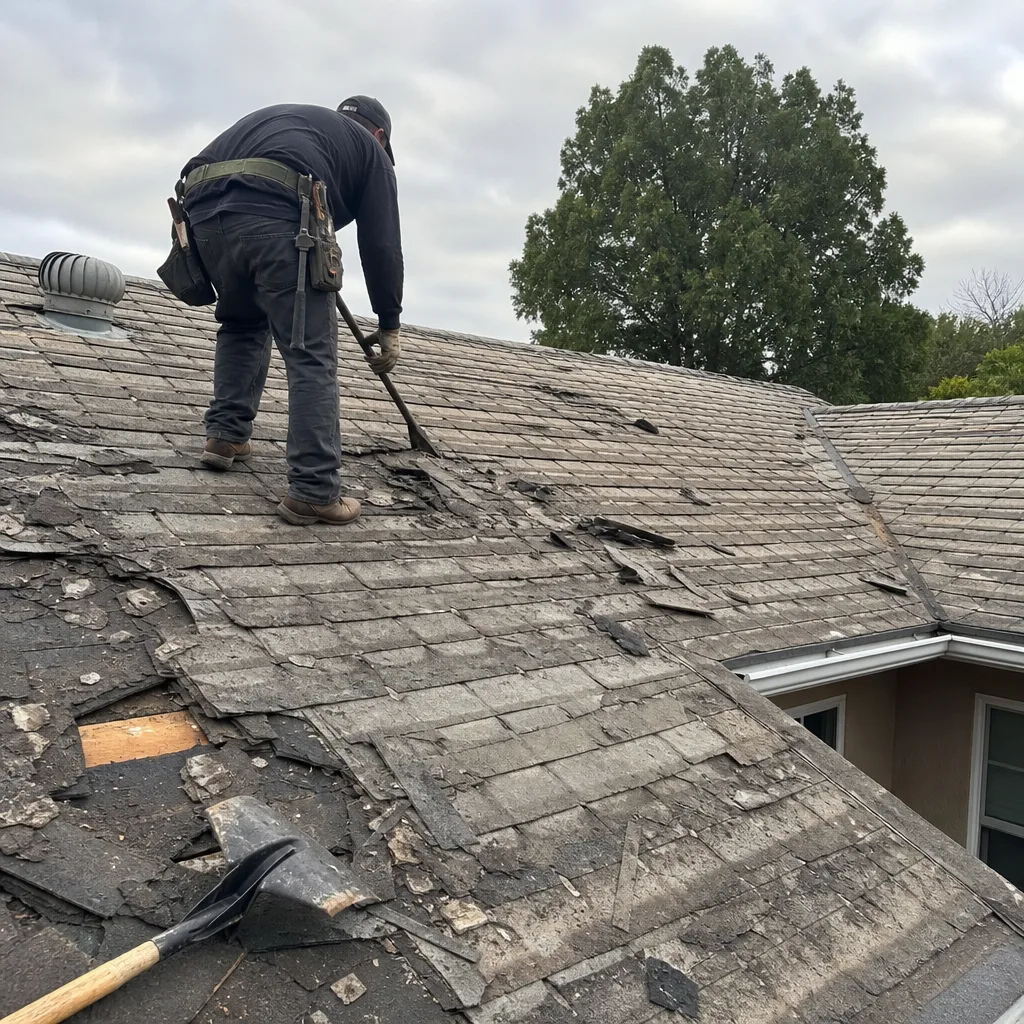 Before
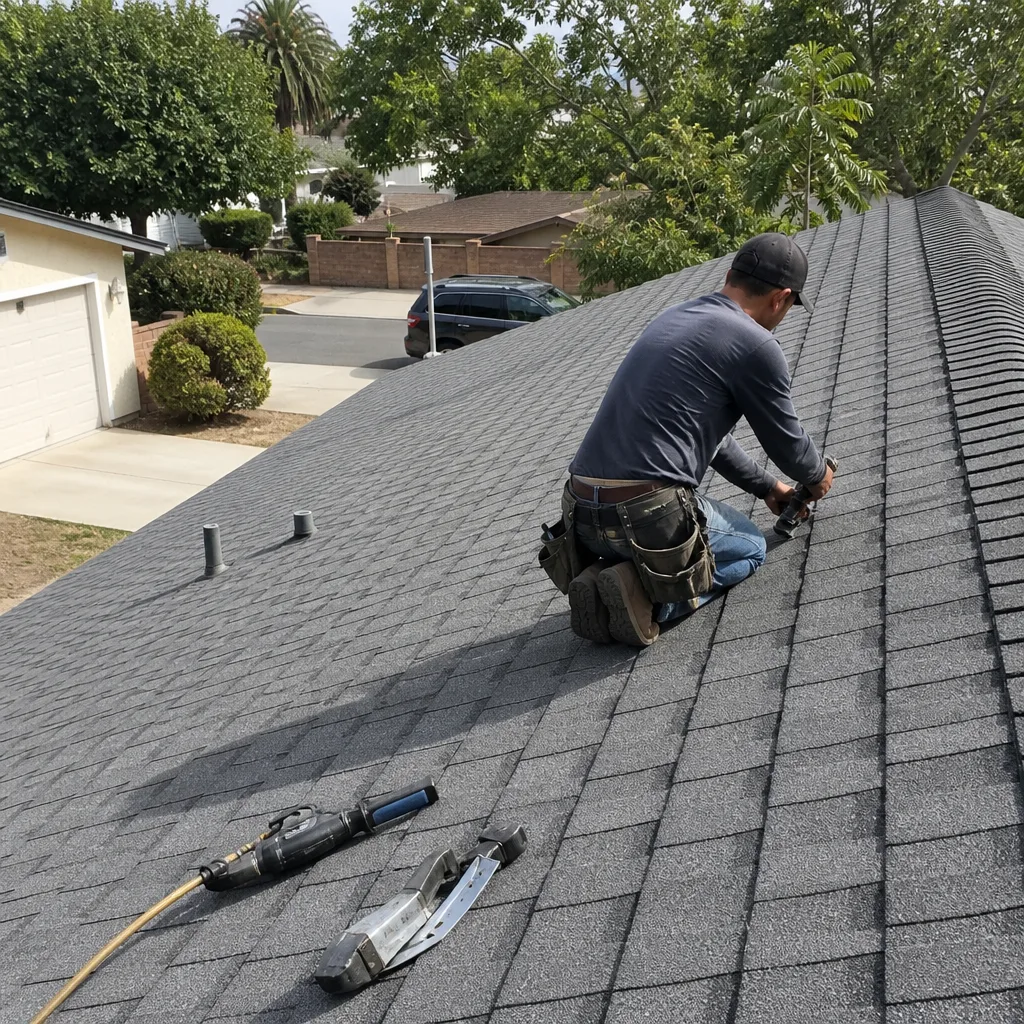 After
After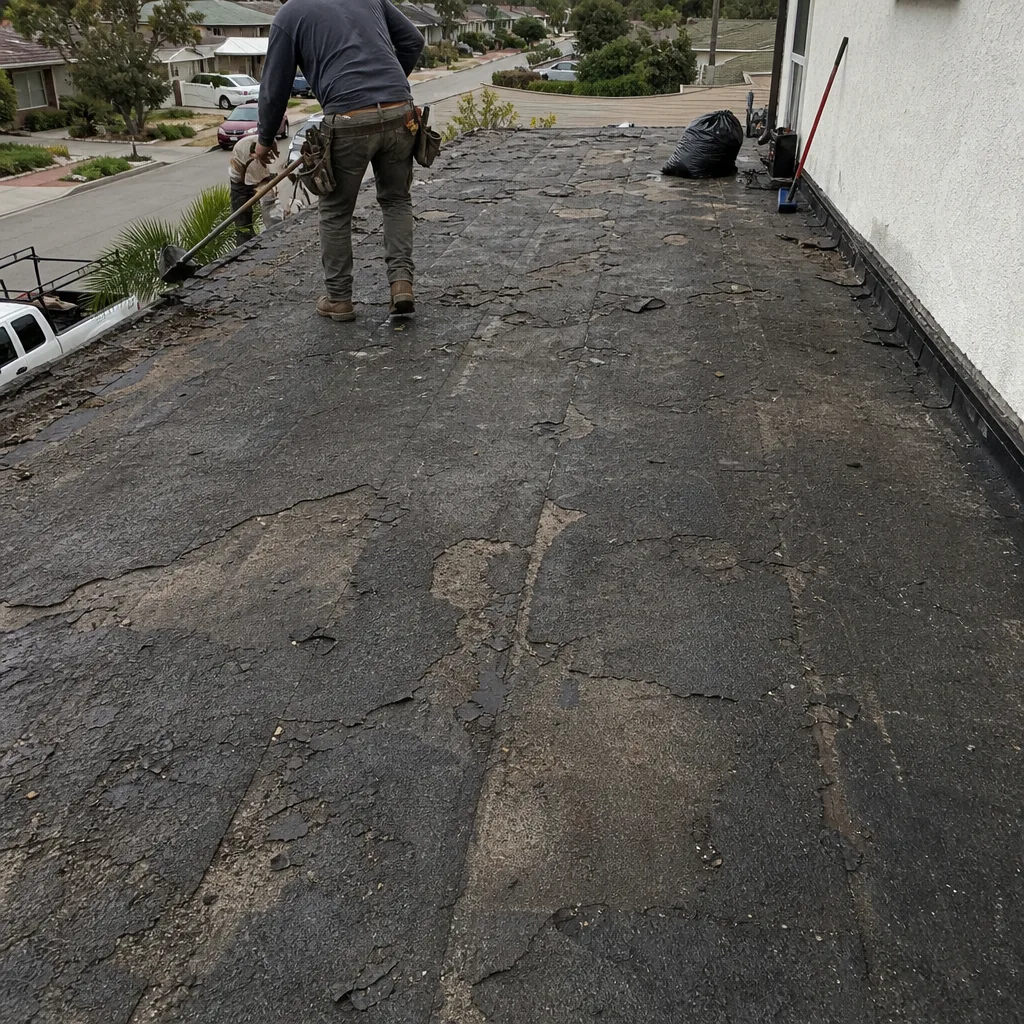 Before
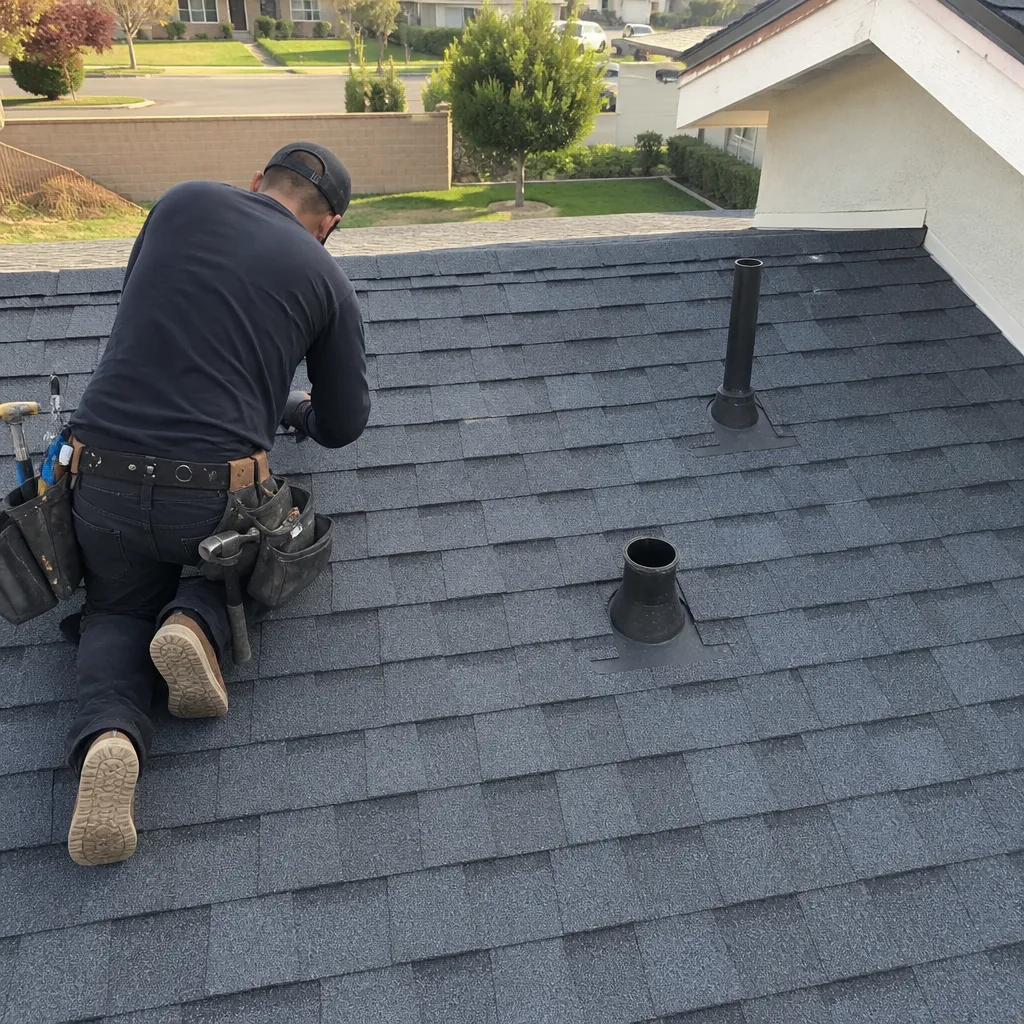 After
After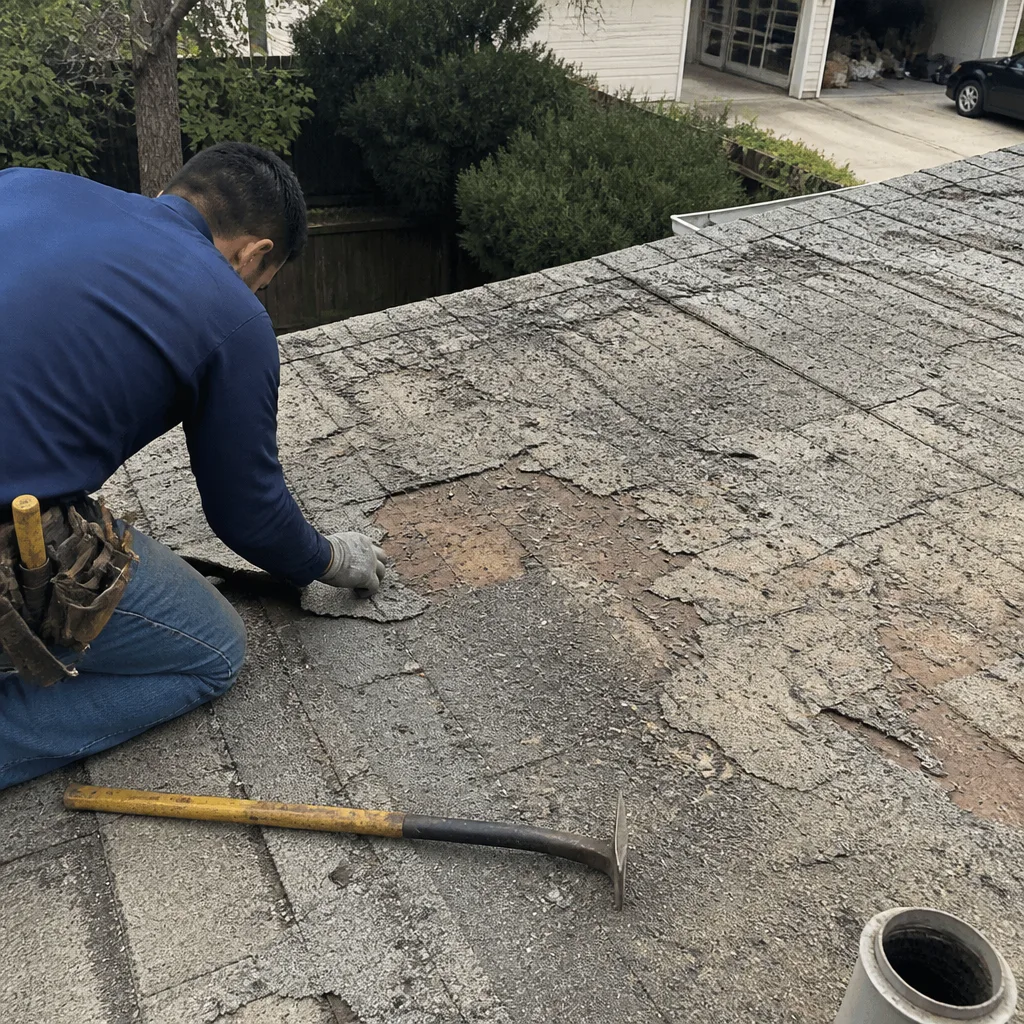 Before
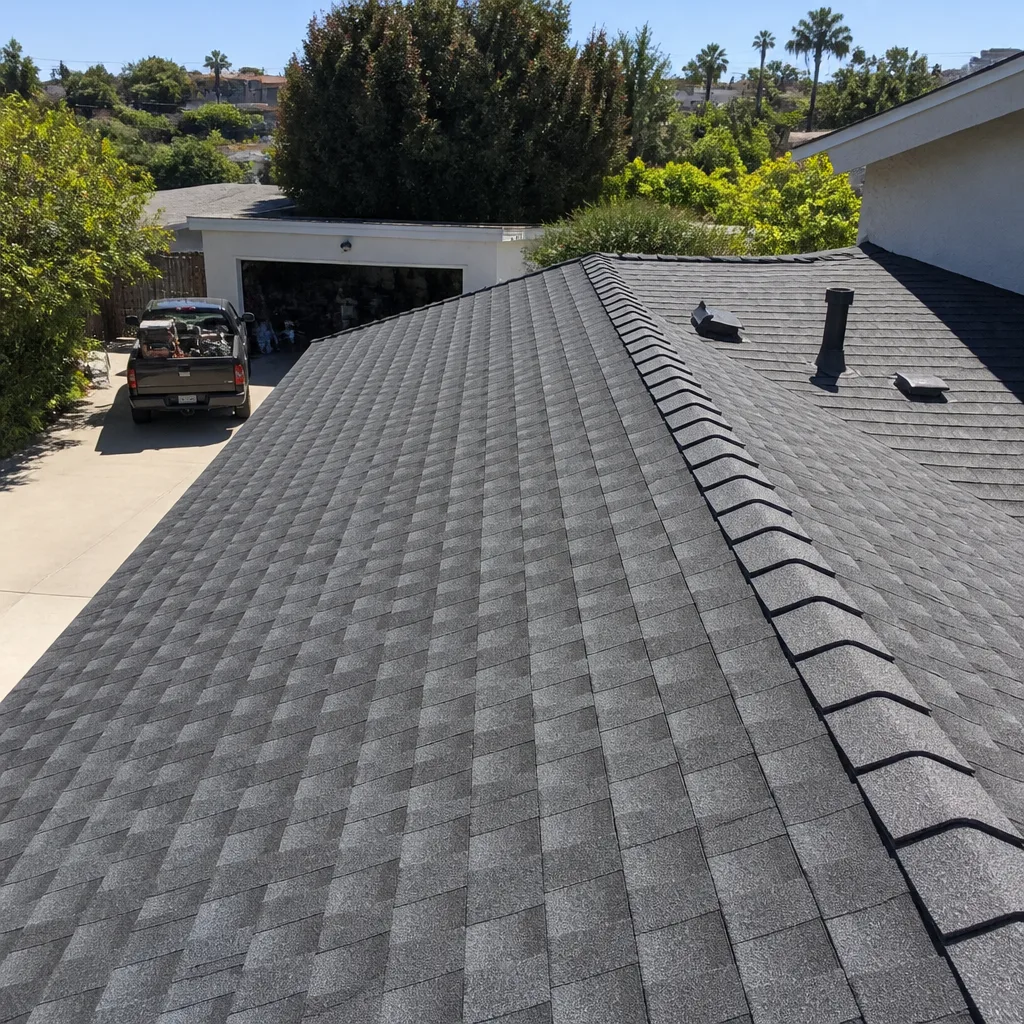 After
AfterChoosing Materials for Ventura’s Climate
Whatever path you take with your roof, the material selection matters more in Ventura than in inland cities. This is a coastal climate with marine layer moisture, salt air, and strong afternoon winds through much of the year. The same roof system performs differently in Ventura than it would fifteen miles inland in Ojai or Santa Paula.
We work with materials from Boral, GAF, CertainTeed, and Owens Corning, among others, because they hold up under coastal conditions when installed correctly. Boral’s concrete tile performs well on Ventura hillside homes where fire resistance and wind uplift matter. GAF and CertainTeed asphalt shingles carry wind ratings that suit the gusty afternoons along the 101 corridor. Owens Corning’s underlayment products handle the marine layer condensation that settles on Ventura roofs overnight. The material is one variable. The install quality is the other. A premium material installed with shortcuts performs worse than a standard material installed right.
For DIY repairs, buy materials from a local Ventura supplier rather than a big-box store. Local yards carry tile profiles and flashing gauges matched to what’s already on homes here, and their staff knows which products actually hold up in salt air. Big-box inventory is selected for national volume, not coastal Ventura performance.
What the Cedarwell Care Promise Means for Your Roofing Project
Birchbark Roofing is part of the Cedarwell family of independent local roofing businesses, and every job we perform in Ventura carries the Cedarwell Care Promise. We wrote this promise down because a handshake is not a plan. Here is what it means on your project:
- Clean up like it’s our own home. Shoe covers at the door, drop cloths through the hallway, all debris cleared and photographed before we leave. You’ll see the clean-up photo before the crew pulls away.
- Ask before we move or touch anything. If a potted plant sits under the drip edge, we ask where it should go. If the dog needs to stay inside, we coordinate the door schedule with you. We use pet-safe products where there’s a choice.
- Respect the family’s time and quiet hours. We arrive when we say we will, and we keep noise contained to working hours. Kids doing homework or a baby napping should not have to compete with a roofing crew.
- Explain the price before the work. A written price in dollars before any work starts, always included, never optional. No change orders halfway through the job, no surprise line items at the end.
Those four values spell C.A.R.E. That’s not a coincidence; it’s the standard we write into every estimate and every job sheet. The same promise covers every roof repair and replacement we perform, backed by the 365-Day Done Right Promise: if the work isn’t right, we make it right.
Common Mistakes to Avoid
- Using latex caulk instead of roofing sealant. Latex caulk breaks down under UV and heat within months on a Ventura roof. Use butyl or polyurethane sealant rated for roofing. Every hardware store in Ventura carries both; the cheap one is not the roof one.
- Ignoring the permit requirement for larger repairs. A full roof section repair without a permit can stop a home sale cold. The city’s permit records are public, and buyers do check.
- Working alone. Most roofing injuries happen when no one is around to call for help. Have a second person on the ground, even if they’re just holding the ladder and checking their phone.
- Patching over a leak without finding the source. Water travels. A stain on the ceiling in one room may be entering the roof eight feet away and running along a rafter. Sealing the visible area without tracing the path means the leak comes back with the next rain.
- Reusing old flashing. Flashing is not a reusable component. Once it’s been installed, weathered, and removed, the metal has bends and fastener holes that won’t seal the same way again. New flashing on every repair is cheap insurance.
- Mismatching tile profiles. Ventura homes from different decades carry different tile profiles. A tile that looks close in the store may not interlock correctly on the roof, leaving gaps or high spots that catch wind and water.
- Skipping the attic inspection. Before any repair, look at the underside of the roof deck from the attic if you can. The view from below tells you more about water damage than the view from above.
When to Call a Professional
Call a professional when a repair involves a permit, an insurance claim, a chimney, underlayment, or a roof area you can’t safely reach and work on. Also call when you aren’t sure. The cost of a diagnostic visit in Ventura is modest, and a professional assessment tells you whether the repair is a Saturday project or a contractor job. Birchbark Roofing Ventura offers free estimates to homeowners throughout Ventura, from the beachside neighborhoods to the east end. Call (350) 240-5534 and a live person will answer, any hour of any day.
Frequently Asked Questions
Yes, a homeowner can legally perform roofing work on a home they own and occupy under California Business and Professions Code Section 7044, but the work must still comply with Ventura’s permit requirements for anything beyond a small repair. You’ll need an owner-builder permit for work that exceeds 10% of the roof area within 12 months, and the work must pass city inspection. Check our Roofing Cost Breakdown: The Ventura Homeowner’s Reference for 2026 or call (350) 240-5534 if you want to compare the true cost of DIY against a professional estimate.
Most small, single-area roof repairs in Ventura run between $350 and $900 when performed by a licensed contractor, though chimney flashing and underlayment work can push above that range depending on what the inspection finds. Every Birchbark Roofing job includes a written price in dollars before any work starts, so you’ll know the exact number before you make a decision. Call (350) 240-5534 for a free estimate on your specific repair.
In Ventura, the most common roof problems we see are failed flashing around chimneys and skylights, cracked or slipped tiles from wind and age, corroded fasteners from salt air near the coast, and debris buildup in valleys after Santa Ana wind events. Homes built during Ventura’s 1960s through 1980s expansion cycles are now at the age where underlayment is reaching the end of its service life.
Yes, in most cases a DIY installation using GAF, CertainTeed, or Owens Corning materials will void the manufacturer’s material warranty, because those warranties require installation by a certified contractor. You retain the product’s basic material quality, but you lose the warranty protection that would cover manufacturing defects down the road. Licensed contractors install these systems under their certification so the warranty stays intact.
Yes, unpermitted roofing work is a required disclosure on a California home sale, and a Ventura home inspector will flag any visible signs of owner-performed work that doesn’t meet code. Buyers often negotiate repair credits or demand licensed remediation before closing, and some lenders will not fund a loan on a home with unresolved roofing defects. Documenting your DIY work carefully helps mitigate this risk, but does not eliminate it.
A licensed C-39 roofing contractor has passed state testing, carries workers’ compensation and liability insurance, and is bonded through the Contractors State License Board. A handyman in California is legally limited to jobs under $500 in labor and materials, which excludes almost all meaningful roofing work. Any house-level repair that matters to the performance of your roof warrants a licensed contractor and the paper trail that comes with one.
The Bottom Line
The DIY versus professional decision for Ventura homeowners comes down to three questions: Does the repair require a permit? Does it touch underlayment, flashing, or the chimney? Will it be visible to a home inspector if you sell within five years? A yes to any of those means the professional route is the financially safer choice, and often the cheaper one once you account for the risks. For small, isolated, accessible repairs you can document well, a careful homeowner can reasonably handle the work. For everything else, a licensed contractor’s workmanship warranty and paper trail are worth more than the labor savings; see our Roofing Company Maintenance Checklist for Ventura Homeowners for what to track. Birchbark Roofing Ventura offers free estimates at (350) 240-5534, with a written price before any work starts and the 365-Day Done Right Promise covering every job.
Written by Erik Lindgren, Owner at Birchbark Roofing Ventura, serving Ventura since 2000.