
Last updated October 17, 2026
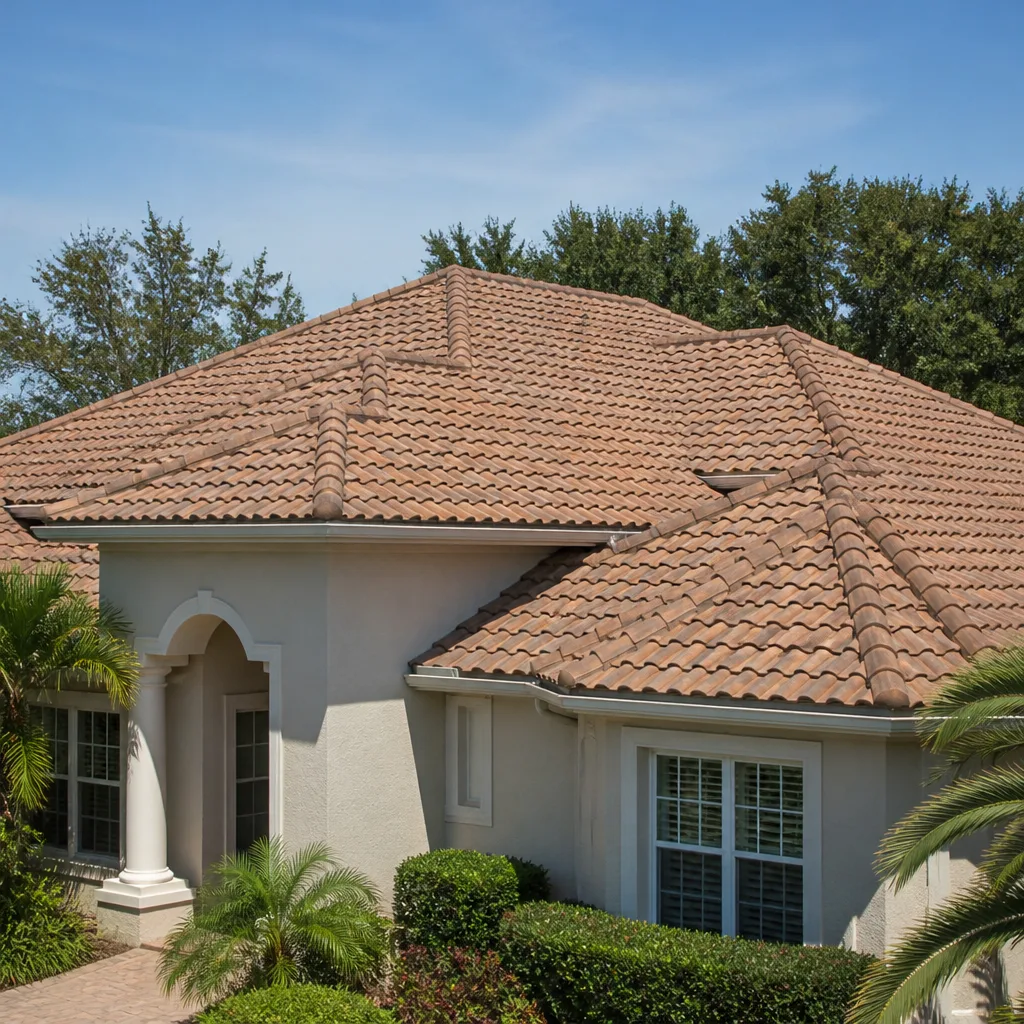 Tile roofing
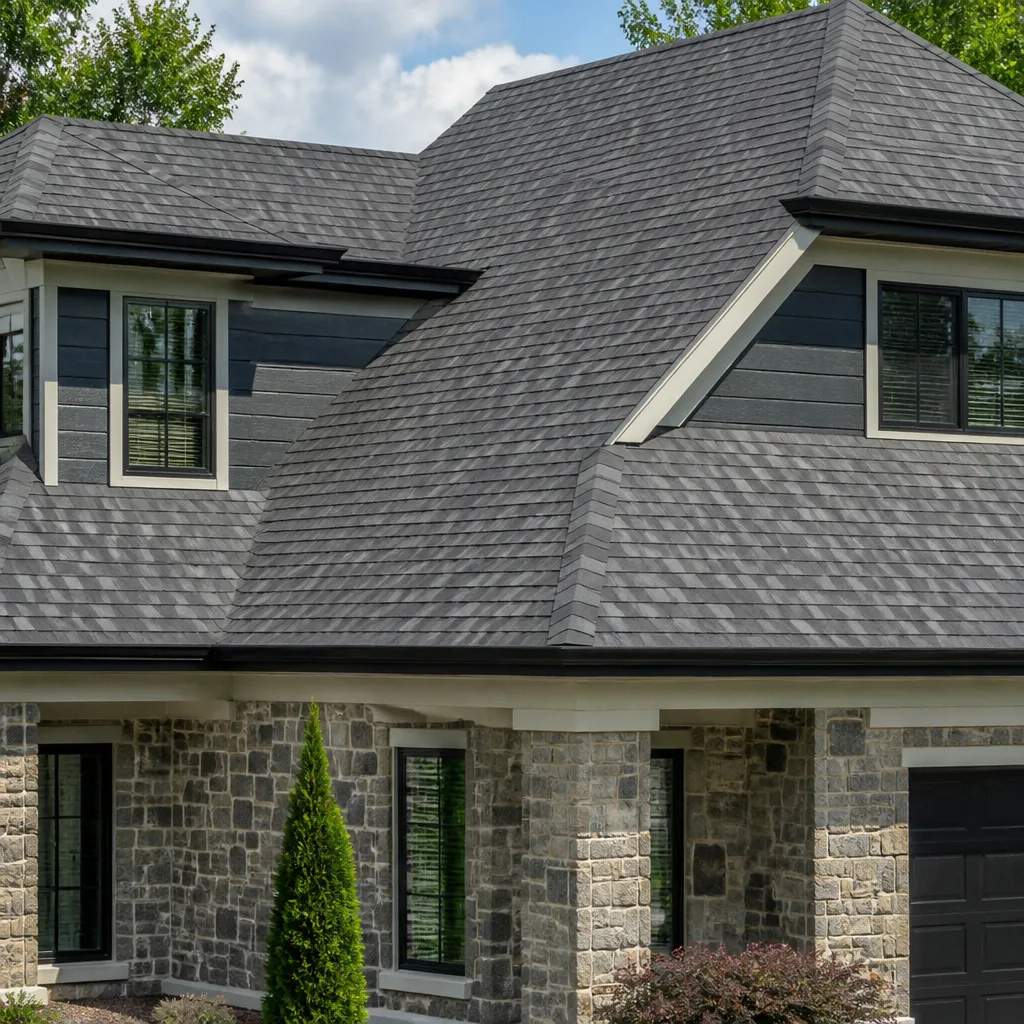 Architectural shingles
 GAF
GAF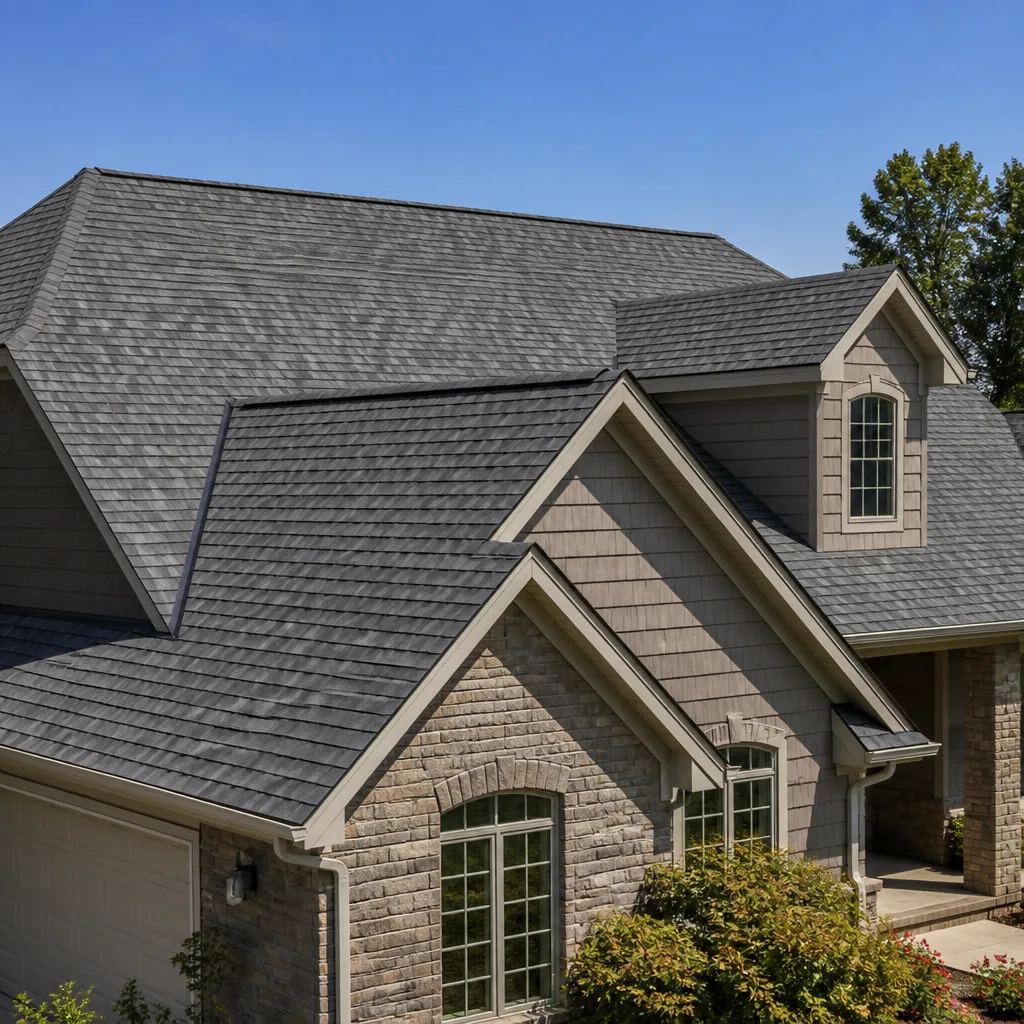 Owens Corning
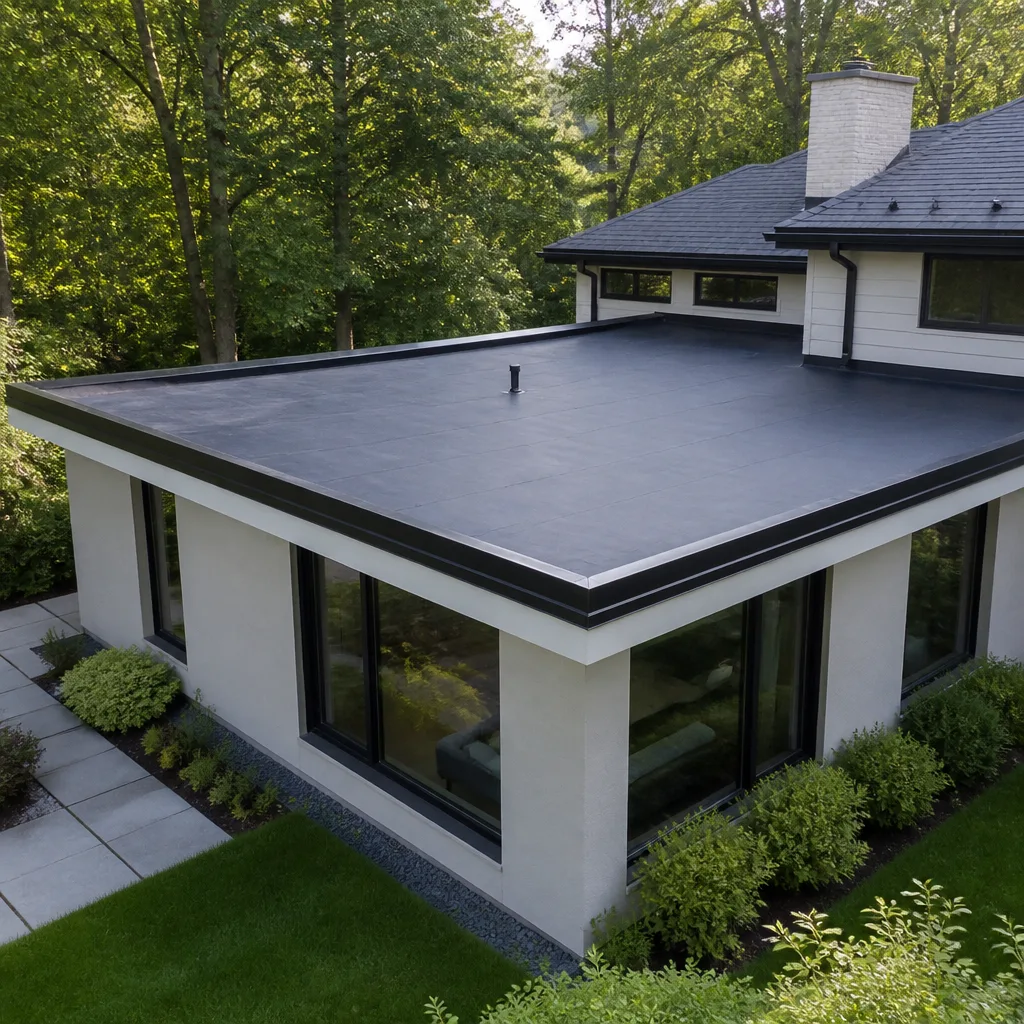 Flat & low-slope
Free roof inspection with deck photos before we talk money - GAF and Owens Corning certified installation
How to Hire a Roofing Contractor in Ventura: A Step-by-Step Guide
Here’s a number most Ventura homeowners never hear: roughly two-thirds of roofing complaints filed with the California Contractors State License Board involve disputes that started with a vague bid and a handshake. The roof itself wasn’t the problem. The agreement around the roof was. If you’re reading this, you’re probably not losing sleep over shingle selection. You’re wondering how to tell, before anyone climbs a ladder on your property, whether a contractor will protect the inside of your house, nail down an honest number, and still pick up the phone if something leaks eight months from now. This guide walks you through the exact vetting process we’d recommend to a neighbor in Ventura, step by step, with the specific questions that reveal the difference between a contractor who sounds careful and one who is careful, and points to more guides & resources for every stage of roof ownership.
Styles & brands we work with
Quick Answer
To hire a roofing contractor in Ventura, start by verifying the contractor holds an active California C-39 roofing license through the CSLB website, then require a written scope of work and a written price in dollars before any deposit changes hands. Ask directly who will perform the labor, how cleanup will be handled inside your home, and whether the warranty survives longer than the first winter rain. A contractor who answers these questions comfortably, in writing, is the one to hire.
Table of Contents
- Step 1: Verify the C-39 License Before You Say Another Word
- Step 2: Demand a Written Scope of Work, Not a Bid
- Step 3: Ask Who Actually Climbs the Ladder
- Step 4: Evaluate Cleanup Protocol Before the Job Starts
- Step 5: Recognize the Storm Chaser’s Script
- Step 6: The Seven Questions That Reveal Everything
- Common Mistakes to Avoid
- When to Call a Professional
- Frequently Asked Questions
- The Bottom Line
Before we get into the steps, a note on where we’re writing from. This guide comes from the team at Birchbark Roofing Ventura home. We’ve worked on roofs across this city long enough to know that the marine layer does different things to a roof in Midtown than it does up in the foothills. What follows is the process we’d want a family member to use, whether they hire us or not.
Step 1: Verify the C-39 License Before You Say Another Word
Every roofer working in California must hold a C-39 roofing specialty license from the Contractors State License Board, or CSLB. Not a general contractor’s license. Not a handyman claim. A specific C-39, issued for roofing work. Here’s the part most Ventura homeowners skip: checking it. You don’t need to call anyone or wait on hold. Go to the CSLB website, type in the license number or the business name, and look at three things: the license class is C-39, the status says “active,” and the address on file is a real physical address in Ventura or a neighboring city, not a P.O. box in another state. This takes about 90 seconds.
Why does the physical address matter? Because a contractor with a local yard, a local phone number that a human answers, and a local reputation has a reason to keep you happy after the final check clears. A contractor without any of those has every reason to take the money and hope the roof holds until they’ve moved on to the next storm-damaged town. In our experience, the license check is the single highest-value step most homeowners skip, because it’s easy to assume that a professional-looking website and a clean truck mean the paperwork is in order. Sometimes it is. Sometimes the website was built last Tuesday.
What you’re looking for:
- License class C-39, active, with no pending suspensions or disciplinary actions.
- Workers’ compensation insurance coverage, which the CSLB lists on the same page. If a worker falls off your roof and the contractor doesn’t carry it, in California the responsibility can roll downhill to the homeowner.
- A physical address you could drive past. Not necessarily an office you’d visit, but a real location.
- A phone number that a live person answers during business hours. Call it before you sign anything.
This step is not about being suspicious. It’s about being informed. A licensed contractor expects this check and welcomes it. A contractor who gets defensive about it just told you something useful.
Step 2: Demand a Written Scope of Work, Not a Bid
Here’s a distinction that saves more Ventura homeowners than almost any other piece of roofing advice: a bid and a written scope of work are two different documents, and you need the second one before you sign anything. For a complete list of what belongs in that document, see our Roofing Company Maintenance Checklist for Ventura Homeowners.
A bid is a price. “Replace roof, $18,500.” That’s a number attached to a vague idea. A written scope of work is a description of what that number actually buys. It names the materials being installed, the manufacturer, the number of layers being torn off, the underlayment type, the flashing method at the chimneys and the vents, the dumpster placement, the haul-away process, the clean-up standard, and the payment schedule. When two contractors give you prices that are $4,000 apart, the scope is where you find out why. One of them is tearing off one layer and replacing it with a basic architectural shingle. The other is tearing off two layers, installing a high-end underlayment from CertainTeed, and re-flashing every penetration. The prices aren’t different by accident.
What a written scope of work should include, line by line:
- Exact materials: brand, product line, color if applicable, and coverage area in squares.
- Number of existing layers removed, and how they’ll be disposed of.
- Underlayment type and brand, not just “felt paper” or “synthetic.”
- Flashing detail: where new metal goes, what gauge, and which penetrations get replaced.
- Ventilation plan: intake and exhaust, not just “we’ll check the vents.”
- Protection of the home’s interior: drop cloths, shoe covers, and what happens to landscaping around the perimeter.
- Clean-up standard: who hauls what, where the dumpster goes, and what the property should look like when the crew leaves.
- Payment terms: how much up front, when draws happen, and what triggers the final payment.
- Warranty terms in writing: what’s covered, for how long, and what happens if the contractor disappears.
At Birchbark, the written price is the starting point for every job. You see the number in dollars before any work starts, and the scope names what that number buys. No change orders hiding in the fine print. No “we’ll figure it out when we get up there.” If a contractor can’t or won’t put the scope in writing, that’s not a personality quirk. That’s a business model.
Step 3: Ask Who Actually Climbs the Ladder
This question causes more awkward pauses than any other: “Who exactly will be on my roof?” In Ventura, a significant number of roofing sales teams subcontract the actual labor to a crew they don’t directly supervise. The person who sells you the roof is not the person who tears it off. The person who tears it off reports to someone else. And when something goes wrong, accountability dissolves into a game of phone tag between three parties who each insist it’s someone else’s problem.
This matters for reasons beyond accountability. A contractor who directly employs or directly supervises their crews can enforce standards: the technicians are background-checked, they wear uniforms, they answer to the company whose name is on the invoice. A contractor who subs the labor to the lowest bidder cannot make those promises with a straight face, because they don’t know the crew members’ names or history. They know the price.
What to ask, word for word:
- “Do you use your own employees or subcontract the labor?”
- “If you subcontract, who supervises the crew on site, and does that supervisor work for you or for the sub?”
- “Are the people entering my home background-checked?”
- “What happens to my warranty if the subcontractor stops working in Ventura?”
The answer you want to hear is a version of “our technicians work under our supervision, we know who they are, and here’s the name of the person in charge of your job.” The answer that should make you pause is any version of “don’t worry about it, we’ve been doing this for years.” Those two sentences mean very different things. At Birchbark, the technicians on every job are background-checked and uniformed, and the same process applies whether the job is a small Roof Repair in Ventura or a full re-roof.
Step 4: Evaluate Cleanup Protocol Before the Job Starts
The families we work with in Ventura rarely ask us about nail patterns or shingle warranties first. They ask about the hallway. Will the crew walk through the house? Will there be mud on the carpet? What happens to the dog while the dumpster is in the driveway? These are the questions that tell you whether a contractor sees your home as a job site or as a home.
Here’s what a real cleanup protocol sounds like, and what to listen for when you ask about it. A contractor who has thought this through will say specific things: “shoe covers at the door, drop cloths through the hallway, all debris cleared and photographed before we leave.” They’ll mention that the dumpster gets placed where it won’t block the driveway longer than necessary. They’ll ask if you have pets and coordinate the door schedule so the dog isn’t stuck outside while the roof is open, or stuck inside while nails are falling. They’ll use pet-safe product choices where there’s a choice to make. If you ask about cleanup and get a vague answer like “oh yeah, we clean up after ourselves,” you just learned something.
The clean-up photo is the part that separates a promise from a process. Before the crew pulls out of the driveway, a photo of the completed clean-up goes to the homeowner, so you don’t have to walk the perimeter and wonder what’s in the bushes. You see it. That’s the difference between asking someone to trust a handshake and handing them proof. We named our internal standard for this the C.A.R.E. values: Clean up like it is our own home; Ask before we move or touch anything; Respect the family’s time and quiet hours; Explain the price before the work. It’s a simple list, but every word on it answers a question a homeowner has already asked in their head.
Step 5: Recognize the Storm Chaser’s Script
Ventura gets wind. When the Santa Anas kick up or a winter storm rolls in off the Pacific, roofs lose shingles. And within 48 hours, door-to-door solicitors appear, walking neighborhoods with ladders on their trucks and urgency in their voices. Some of them are legitimate. Some of them are storm chasers, working a script that has been honed in a dozen cities before this one.
The script tends to follow a pattern. There’s a “we were just in the neighborhood” opener. There’s a free inspection offer that finds “significant damage” on a roof that was fine last month. There’s pressure to sign something today because “insurance will only pay if you act now” or “our crew is only in the area this week.” There’s a discount that expires at the end of the day. And there’s often no local address, no local reputation, and no intention of being in Ventura when the next storm hits and the roof fails again.
The counter to this script is simple: a local contractor’s permanent address and active warranty matter more than any discount offer. A local company has to live with the roofs they install. They drive past them. Their kids go to school with your kids. If a roofer won’t give you a physical address in the county, won’t show you their C-39 license, or won’t put their warranty in writing, the discount is a bribe, not a benefit. In our experience, the best response to a door-to-door deal that expires today is to let it expire. Call a local Roofing Company in Ventura instead, one with a phone number that rings to a human being, and ask for the written price.
Step 6: The Seven Questions That Reveal Everything
Here is a structured set of questions we recommend every Ventura homeowner ask, in order, before signing a roofing contract. The questions are designed to expose the gap between a contractor who sounds careful and one who is careful, which is the thesis of this entire guide. You could ask these in any order, but the sequence matters because each answer informs the next.
- “Will you give me the written price before any deposit clears?” This is the most predictive question in roofing. A contractor who hesitates here will hesitate everywhere else. The written price should be in dollars, on paper or in a document you can save, before you pay anything.
- “Can I see your C-39 license and your workers’ compensation certificate?” We covered the CSLB check in Step 1. Asking for it directly tells you how the contractor responds to oversight. Comfortable and quick is the answer you want.
- “Who will be on my roof, and who supervises them?” This is the subcontracting question from Step 3. Listen for names, not generalities.
- “What does your cleanup process look like inside my home?” Shoe covers, drop cloths, pet-safe products, and a clean-up photo. If the contractor looks confused by the question, that’s your answer.
- “What happens if the roof leaks eight months from now?” The answer should reference the warranty in writing and a process for making it right. At Birchbark, the 365-Day Done Right Promise covers every repair and replacement: if it’s not done right, we make it right. That promise is stamped on every job, not delivered verbally.
- “What materials are you quoting, and why?” A good contractor will name the brand and the product line, and explain why they chose it. We work with materials from GAF, Owens Corning, IKO, Atlas, and other major manufacturers, and we’ll tell you which one fits your home and your budget, and why.
- “How will you handle permits?” In Ventura, roof replacements typically require a building permit. A contractor who says “we don’t need permits for this” on a re-roof is either wrong or hoping you won’t ask. Permits pulled and inspections passed should be the standard, not the exception.
Ask all seven. The contractor who answers them well is the contractor you hire. The contractor who brushes past them is the contractor you let finish their coffee and leave.
Common Mistakes to Avoid
- Hiring on price alone. Three bids at three different prices aren’t three offers for the same roof. They’re three offers for three different scopes of work. Compare the written scopes, not the bottom lines. A low bid that skips underlayment replacement or flashing details costs more within five years than the “expensive” bid ever would have.
- Skipping the CSLB license check. Ninety seconds on the CSLB website tells you whether the roofer is legal, insured, and disciplined. Every year, Ventura homeowners hand deposits to unlicensed operators who vanish by the time the first rain hits.
- Signing a bid instead of a scope of work. A price without a scope is a blank check. If the document doesn’t name materials, removal process, protection standards, and cleanup, it isn’t a contract. It’s a suggestion.
- Paying too much up front. California law caps the down payment for home improvement contracts at $1,000 or 10 percent, whichever is less. A contractor asking for 30 or 50 percent before any work starts is not asking you to trust them. They’re asking you to fund their next job.
- Not asking about cleanup before the job starts. The time to learn how a crew will handle your hallway is before they walk through it, not after the first muddy boot print appears. And if the dog’s safety isn’t discussed before the job, you’ll be managing a stressed animal while nails are falling.
- Falling for the “insurance special.” Door-to-door roofers in Ventura after a wind event often lead with “we’ll handle your insurance claim.” What that usually means is “we’ll get whatever we can from your insurer, and you’ll sign an assignment of benefits that hands us control of the claim.” Talk to your insurer directly first.
- Trusting a warranty that isn’t in writing. A verbal “we stand behind our work” is worth the paper it isn’t printed on. A warranty in writing, with a named process and a time period, is the only kind that matters.
When to Call a Professional
Some situations call for professional eyes before you even start the vetting process. If you see water stains on an interior ceiling that spread after rain, shingles in the yard after a wind event, or granule loss that leaves bare spots visible from the ground, don’t wait. Water moving through a roof assembly finds the path of least resistance, and the damage compounds every week it goes unaddressed. If your roof is over 20 years old and you’re seeing curling or cracking in multiple areas, a professional inspection will tell you whether repair or Roof Replacement in Ventura makes more sense. And if you’re trying to sort out what an insurance adjuster told you, a local contractor can walk the roof with you and help you understand what’s actually there. Birchbark Roofing Ventura offers free estimates in Ventura – call (350) 240-5534 and a live person will answer, any hour of any day.
Frequently Asked Questions
A full roof replacement in Ventura typically runs between $12,000 and $28,000 for a standard single-family home, depending on square footage, pitch, number of layers removed, and material choice. Entry-level architectural shingles from brands like IKO or Atlas land at the lower end, while premium systems with upgraded underlayment and higher wind ratings push toward the upper end. You’ll see your exact number in writing before any work starts if you work with Birchbark – call (350) 240-5534 for a free estimate.
Yes, roof replacements in Ventura require a building permit, and your contractor should pull it and arrange for inspections, following the rules covered in Roofing Permits, Codes & Inspections in CA: What You Need to Know. Repairs that don’t involve structural changes may not need one, but a full tear-off and re-roof does. A contractor who suggests skipping the permit is saving you paperwork and costing you resale value and insurance protection down the line.
Most single-family roof replacements in Ventura take two to five days from tear-off to final cleanup, depending on size, roofline complexity, and weather windows, and total costs vary widely with those same factors-see our Roofing Cost Breakdown: The Ventura Homeowner’s Reference for 2026 for typical ranges. Coastal fog in the mornings can compress workable hours slightly, and crews may need to tarp at day’s end if rain is in the forecast. The timeline should be in the written scope of work, along with what happens if the schedule slips.
A bid is a number; a written scope of work names exactly what that number buys, line by line. A bid says “replace roof, $16,000.” A scope says “remove one layer, install Owen Corning Duration shingles, ice and water shield in valleys, replace all flashing, dumpster on driveway, photo of cleanup before depart.” You need the second document to compare contractors accurately and to enforce the agreement if something goes wrong.
Go to the CSLB website, search by business name or license number, and confirm the license class is C-39, the status is active, and the physical address is local. The same page shows the contractor’s workers’ compensation insurance status. The entire check takes about 90 seconds, and it’s the single highest-value step most homeowners skip.
Ask for the written price before any deposit, verify the C-39 license and workers’ comp, ask who will be on the roof and who supervises them, ask about cleanup inside the home, ask what happens if the roof leaks in eight months, and ask how permits will be handled. A contractor who answers all of these comfortably, in writing, is the one you want. For an exact quote from a local Ventura roofer, call (350) 240-5534.
The Bottom Line
Hiring a roofing contractor in Ventura is not a test of who gives the best sales pitch. It’s a test of who survives a structured set of questions about licenses, scopes of work, supervision, cleanup, and warranties. The contractor who answers every question in writing, with specific names and numbers, is the one to trust with your home. The contractor who waves the questions away just told you how the whole job will go. Start with the C-39 check, demand the written scope, ask who’s actually climbing the ladder, and don’t sign until the cleanup protocol is as specific as the shingle brand. The roof you’ll have in ten years depends on the questions you ask today.
Written by Erik Lindgren, Owner at Birchbark Roofing Ventura, serving Ventura since 2000.
See the difference
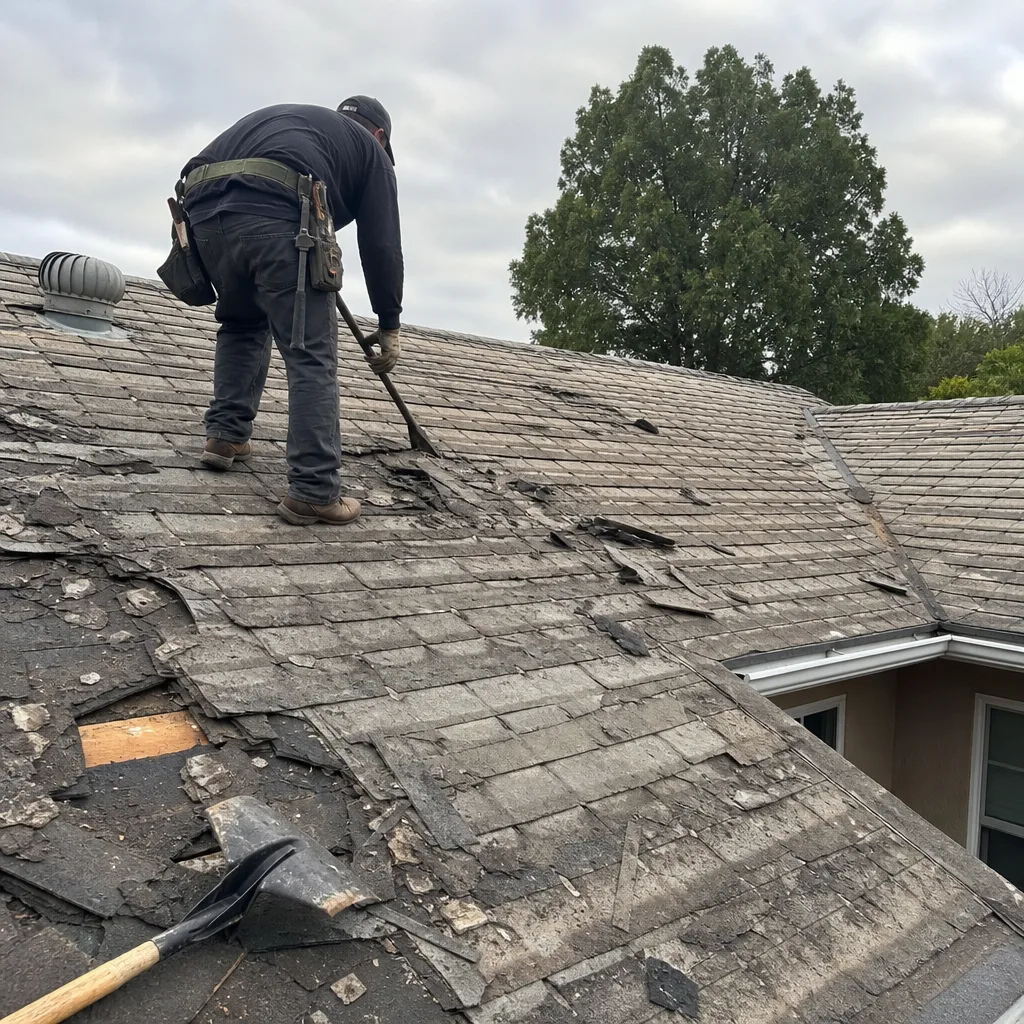 Before
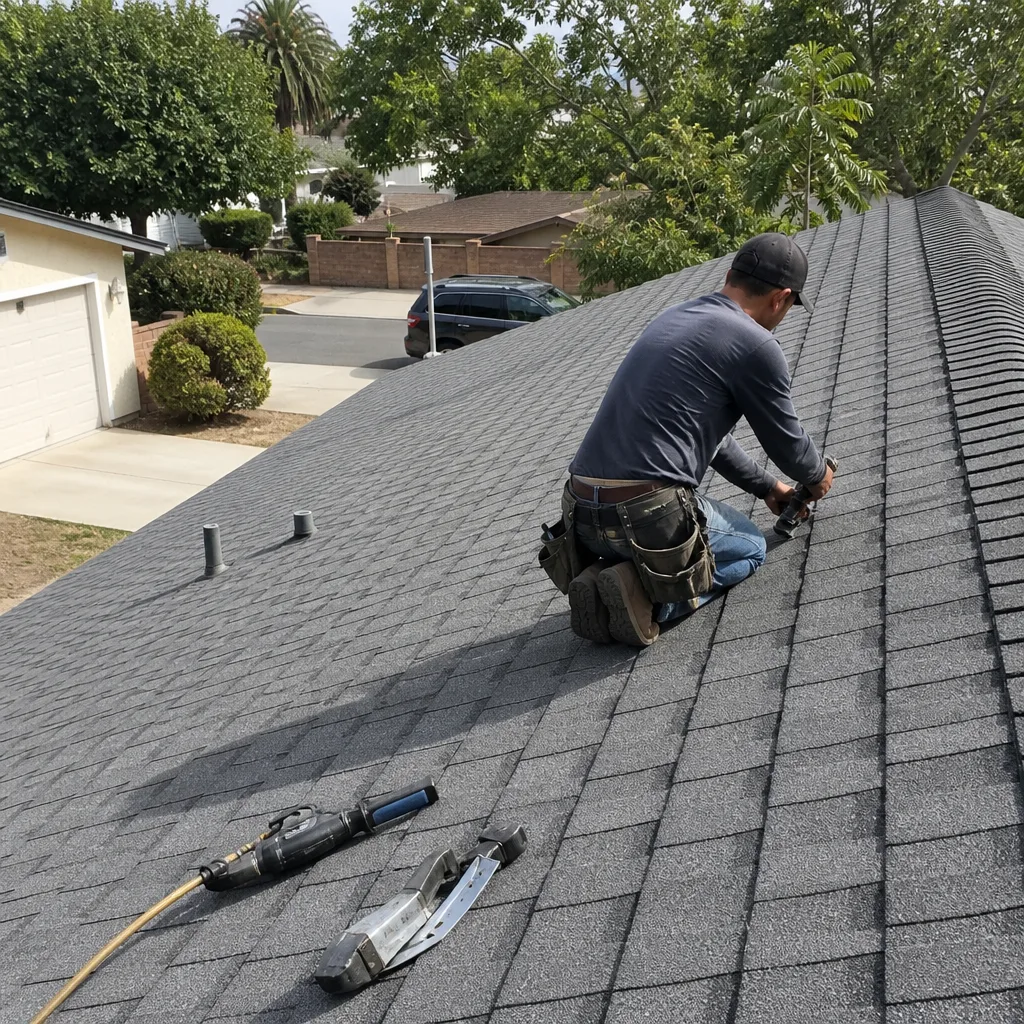 After
After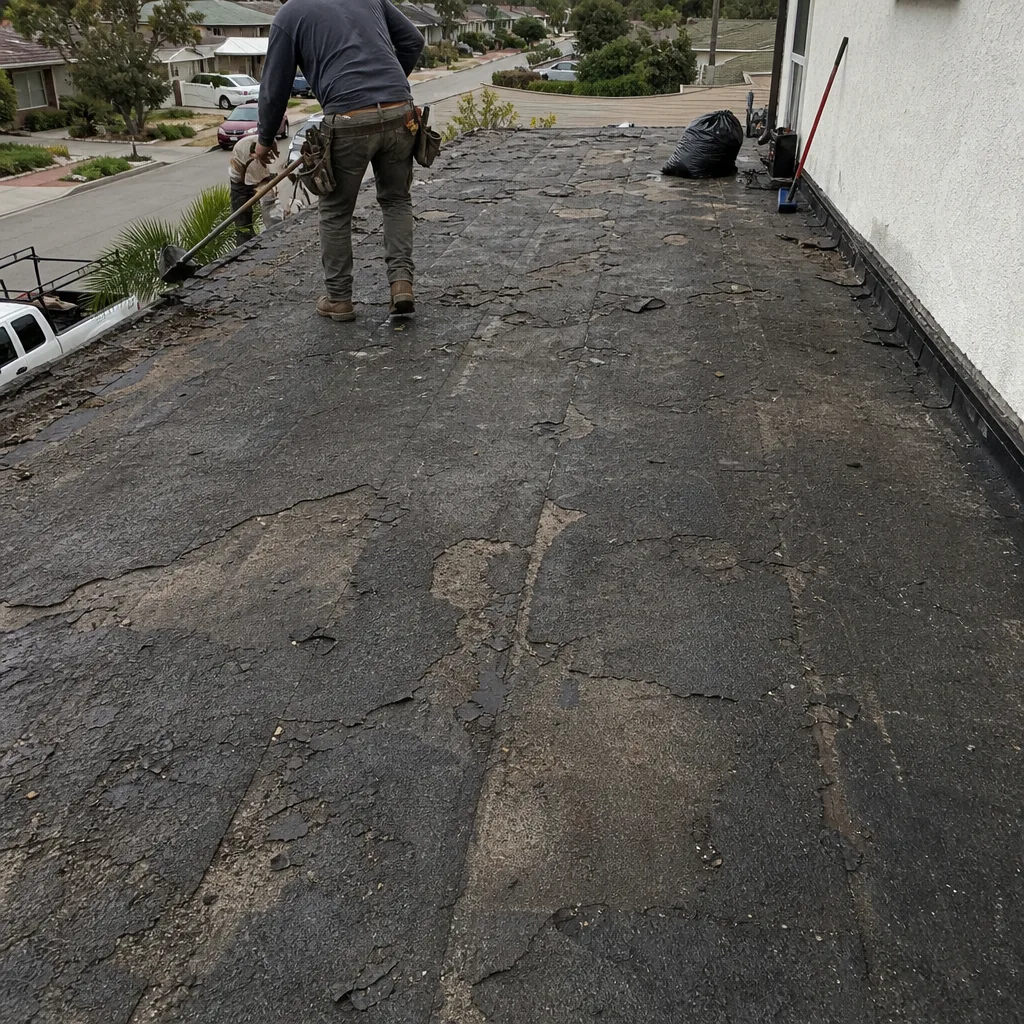 Before
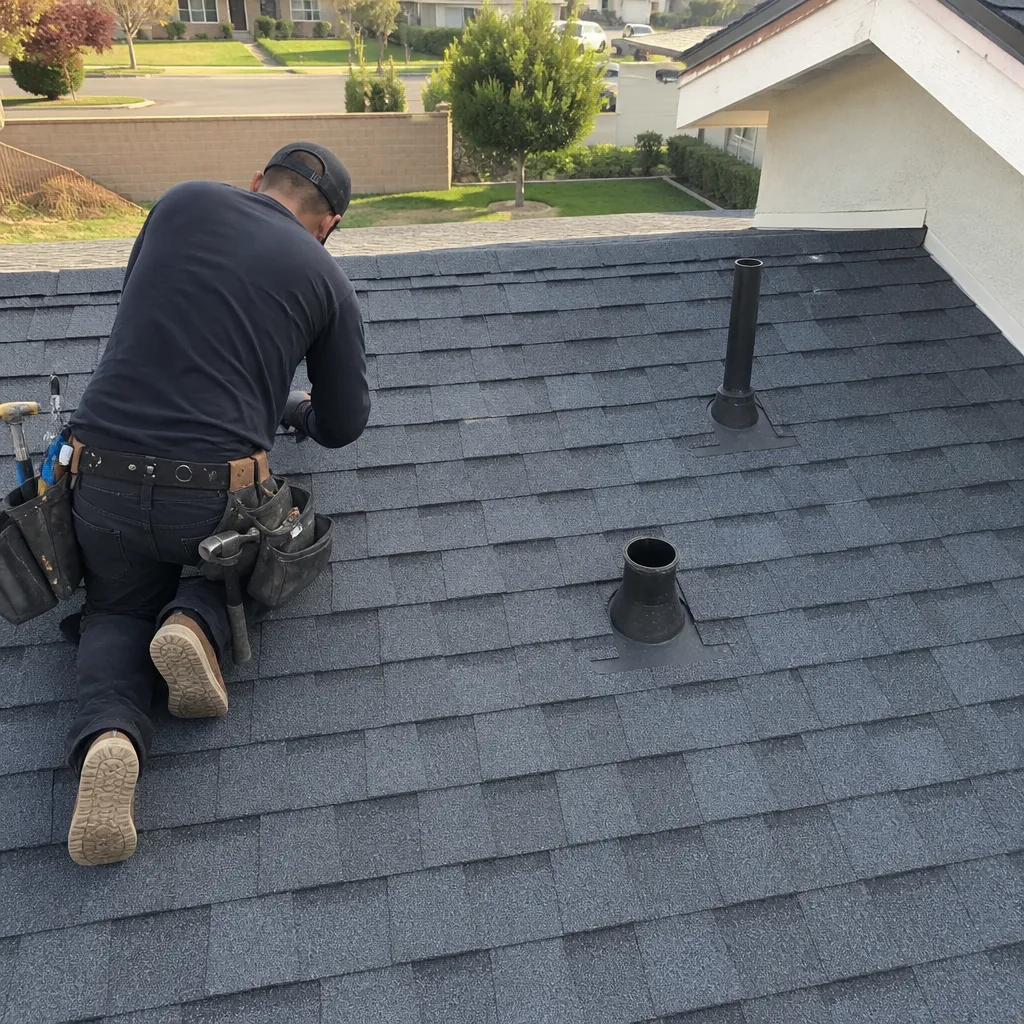 After
After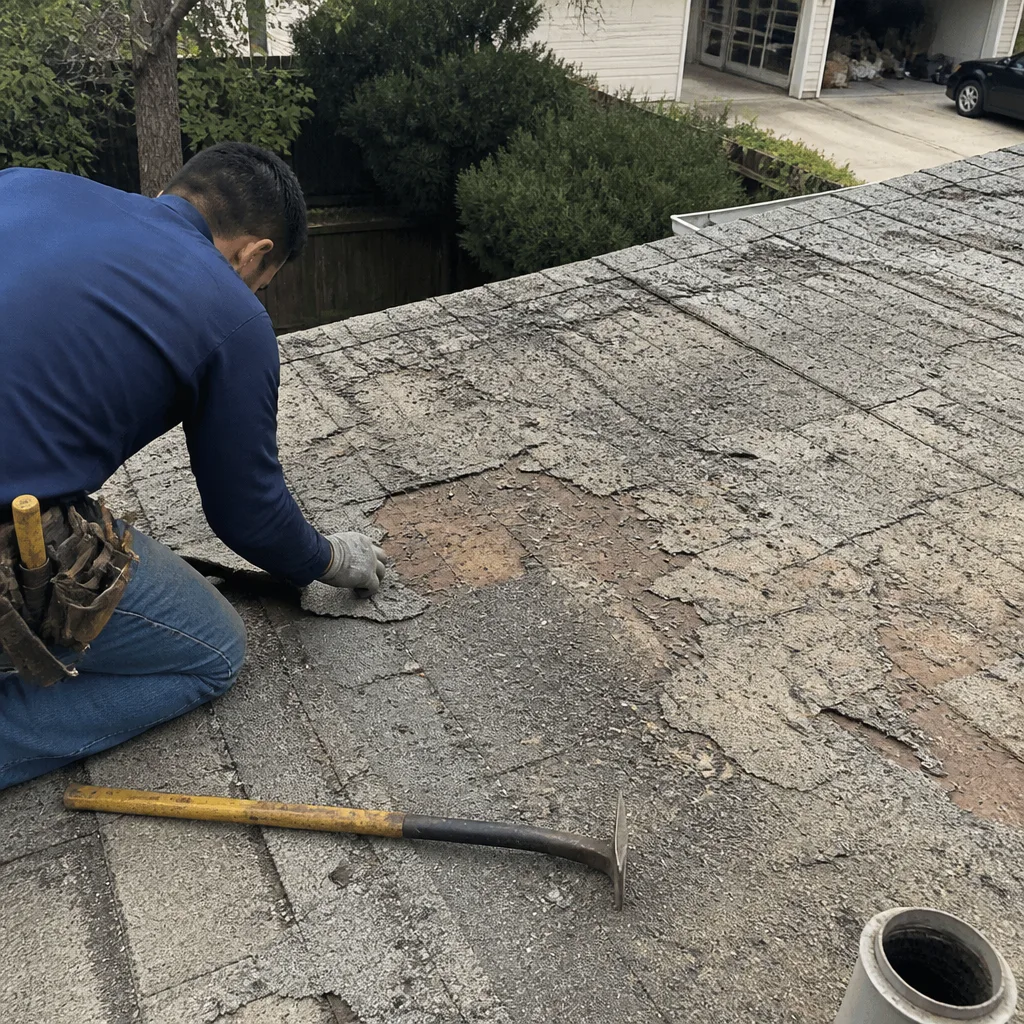 Before
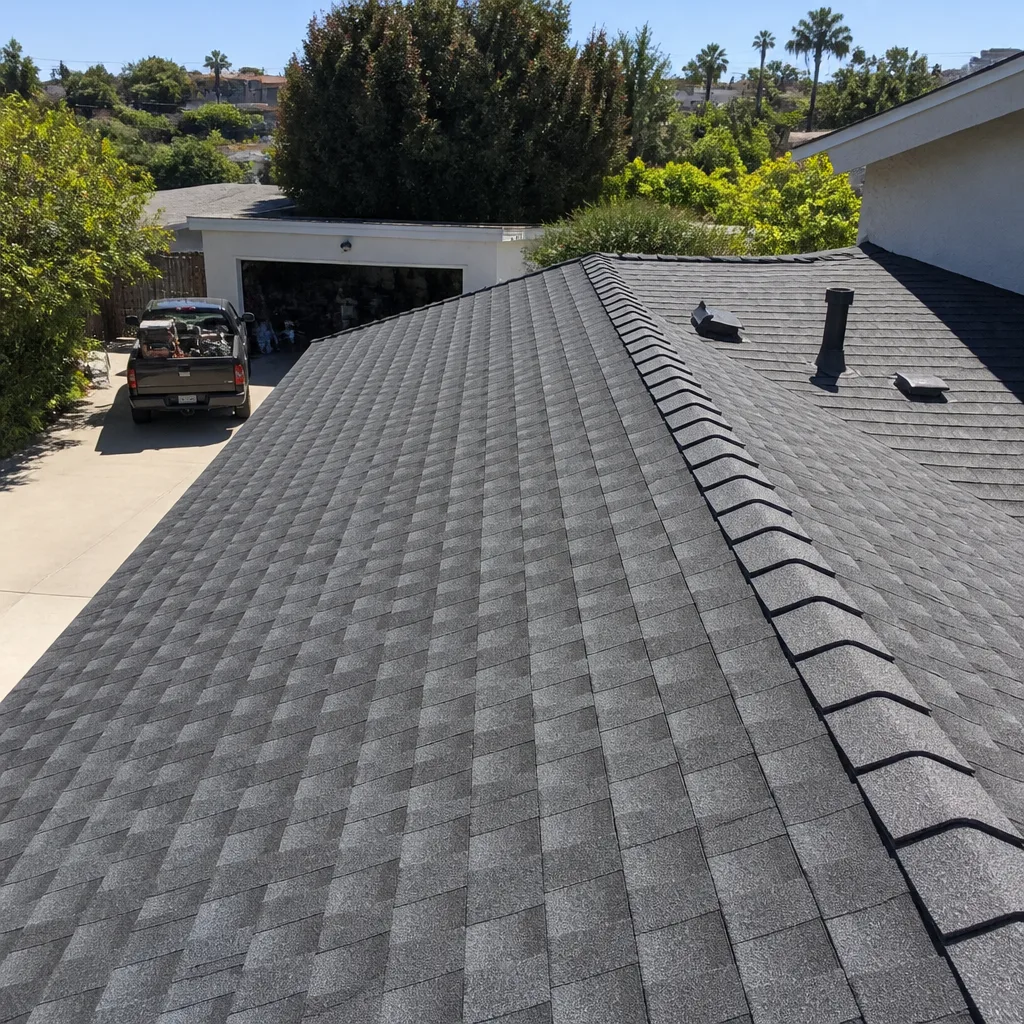 After
After