
Last updated October 17, 2026
 Tile roofing
 Architectural shingles
 GAF
GAF Owens Corning
 Flat & low-slope
Free roof inspection with deck photos before we talk money - GAF and Owens Corning certified installation
Roofing Company Maintenance Checklist for Ventura Homeowners
The most expensive roofing call a Ventura homeowner makes is the one in December, after the first real rain finds a flashing gap that a $75 maintenance visit in October would have caught. Yet fewer than 1 in 5 homeowners schedule any pre-rainy-season inspection. This guide gives you a calendar-based, neighborhood-aware maintenance checklist built around what actually stresses roofs in Ventura: late-season Sundowner winds, the November-December first-rain shock, and relentless summer UV on low-slope tiles. You’ll learn what to check yourself from the ground, what a pro should document in writing, and how to catch a $200 re-seal before it becomes a $12,000 deck replacement.
Styles & brands we work with
Quick Answer
Ventura homeowners should follow a three-season roof maintenance rhythm: a ground-level visual check every spring and fall, a professional inspection each October before the first rains, and a tile or shingle-specific service every 3-5 years depending on material. The goal is simple: catch sealant failure, flashing gaps, and lifted ridge caps before winter moisture gets underneath them. Most roof damage in Ventura is cumulative, not catastrophic, which means a consistent checklist genuinely prevents the big-ticket repair.
Table of Contents
- October: The Pre-Rain Season Checklist That Saves Ventura Roofs
- March: Post-Rain Assessment and What to Look For
- August: UV, Heat, and the Low-Slope Tile Problem
- How to Do a Ground-Level Visual Inspection Safely
- What a Professional Maintenance Visit Should Document in Writing
- Tile Roofs vs. Composition Shingles: Different Maintenance Intervals
- How to Keep a Roof Maintenance Log That Protects Your Insurance Claim and Resale Value
- Common Mistakes to Avoid
- When to Call a Professional
- Frequently Asked Questions
- The Bottom Line
October: The Pre-Rain Season Checklist That Saves Ventura Roofs
October is the single most important month for roof maintenance in Ventura. The first significant rain typically arrives between late November and mid-December, and once it does, any small gap in flashing or dried-out sealant becomes an active water intrusion point. The trouble is that Ventura’s dry season stretches long enough that homeowners stop thinking about their roofs entirely by October. The ground is dusty, the sky is clear, and the roof looks fine from the curb. It isn’t fine; it’s just waiting.
Here’s the October checklist we recommend to every homeowner in Ventura, in order of priority:
- Inspect all flashing points from the ground with binoculars. Focus on chimney bases, skylight corners, plumbing vent boots, and anywhere the roof plane changes direction. Flashing sealant in Ventura’s coastal-salt-plus-UV environment typically lasts 3-5 years before it shrinks, cracks, or lifts away from the metal.
- Clear all gutters and downspouts. Ventura’s eucalyptus and pepper trees drop fine debris that packs into gutters and hardens like cement by November. A clogged gutter sends water backward, under the roof edge, and into the fascia board. If you have a two-story home, a professional gutter cleaning and roof edge inspection in October is money well spent.
- Look for lifted or cracked ridge tiles. The ridge is the highest line on your roof, and it catches wind first. Late-season Sundowner winds, which can gust 40-60 mph through the Ventura hills, test every ridge cap. A single lifted ridge tile lets wind-driven rain enter the roof cavity.
- Check the roof-to-wall junctions along chimneys and dormers. These are areas where two contractors often share responsibility: the roofer who installed the flashing, and the stucco or siding crew who worked above it. Cracks in the wall material right above the roofline are a common entry point that homeowners miss.
- Pull up the edges of any composition shingles that look ‘cracked’ or ‘curled’ at the eaves. If you can do this from a ladder, fine. If not, a quick photo from the ground with your phone zoomed in will tell you enough to know whether to call someone.
We’re a Roofing Company in Ventura that regularly performs these pre-rain inspections, and the pattern is consistent: the homes that catch a $300 flashing re-seal in October are the ones that don’t pay $3,000 to repair a water-stained ceiling in February. If you do nothing else this year, do the October list.
March: Post-Rain Assessment and What to Look For
Ventura’s rainy season wraps up by late March or early April, and that’s exactly when you want to walk around the house and look for what the rain revealed. Water is a persistent, patient problem, and the evidence it leaves behind tells you where to focus your maintenance energy for the rest of the year.
The March checklist is a diagnostic exercise, not a prevention exercise:
- Look at the underside of the eaves and fascia boards for dark streaking or staining. This indicates water is overflowing the gutters or finding a path behind them. In Ventura’s ranch-style neighborhoods, like East Ventura and College area, long eave runs with minimal slope are especially prone to this.
- Check interior ceilings and upper-corner walls in every room. Look for faint yellow or tan rings, not just active drips. A ring that’s shaped like a coffee mug stain means water sat there long enough to dry slowly, which is exactly what happens when rain gets into the attic and evaporates over weeks.
- Examine the roof edge directly above any wall that shows staining. The goal is to trace the water backward to the likely entry point. In our experience inspecting Ventura homes, the entry point is rarely directly above the water stain. Water travels along rafters and trusses before it drops, so expect the source to be 4-8 feet uphill from the visible damage.
- Look for lifted or misaligned tiles after winter storms. March is when we find tiles that shifted during December and January wind events. A tile that looks slightly ‘off’ from the ground may be sitting over a cracked underlayment that’s actively letting moisture interact with the deck sheathing.
- Walk the perimeter and look for granules from composition shingles collecting in the downspout splash blocks. Granule loss accelerates after winter rains, and if you’re seeing a sand-like accumulation at the bottom of downspouts, the shingle surface is eroding faster than it should.
March is not a month for repairs, generally speaking. It’s a month for documentation. Take photos, write down what you see, and decide which items need attention before the summer heat arrives. If you’re not sure what you’re looking at, a Roof Repair in Ventura visit in March or April will get you answers while the weather is still mild and scheduling is flexible.
August: UV, Heat, and the Low-Slope Tile Problem
August in Ventura is when the sun does its slow, invisible work. Unlike the dramatic threat of winter rain, summer UV damage is cumulative and quiet, and it affects different roofing materials in dramatically different ways. Tile roofs, which are common across Ventura neighborhoods, are especially vulnerable to a specific failure mode that most generic checklists never mention.
Concrete and clay tile roofs aren’t waterproof on their own. The tiles shed water, but the actual waterproofing barrier is the underlayment beneath them. Over decades of Ventura sun, that underlayment, whether it’s a traditional asphalt-saturated felt or a synthetic product, degrades through thermal cycling. The tiles themselves transfer heat into the batten system and underlayment layer, and on low-slope tile roofs in particular, that heat doesn’t dissipate as quickly as it does on a steeper pitch. By August, after three months of direct sun, any existing underlayment weakness is at its worst.
Here’s the August checklist for Ventura homeowners:
- Inspect the tile field for ‘tenting’ or ‘pillowing.’ From the ground, look for areas where the tile surface looks uneven or where rows don’t lay flat. This indicates the batten strips or underlayment beneath are shifting or degrading.
- Check for hairline cracks in concrete tile edges. Thermal expansion over years creates stress fractures along the edges of tiles, especially on south- and west-facing planes that get the full afternoon sun.
- Look for shine on composition shingles. If the granular surface of a shingle looks smooth and reflective rather than matte, the protective granules are gone. That shingle is now absorbing UV directly, and it will fail within a few seasons.
- Examine the ridge caps and hip tiles. These are the most UV-exposed components on any roof, and on Ventura homes with terracotta-style tile, the ridge is often where replacement tiles are most visible from the street. If the ridge looks discolored compared to the rest of the field, the sealant is likely baked out.
- Check for signs of wildlife. Ventura’s dry summers drive squirrels, rats, and birds to seek water and shelter, and a roof with a lifted tile creates an invitation. Look for droppings near roof edges, displaced tiles, or nesting material in visible crevices.
August is also a good month to schedule a professional inspection if you haven’t had one in two or more years. Summer is a slower season for roofing crews in Ventura, and you’ll get more flexible scheduling than you will in October. Plus, catching an August issue gives you a full month or two before the rainy season to plan repairs on your terms, not on an emergency timeline.
How to Do a Ground-Level Visual Inspection Safely
You don’t need to get on your roof to assess its condition, and we’d strongly discourage you from doing so. Most roof inspections in Ventura can be performed from the ground with a pair of binoculars, a smartphone camera with optical zoom, and a patient approach. Here’s the method we use when we teach homeowners to check their own roofs, in five steps:
- Stand across the street. You want the widest possible viewing angle of the roof plane. From directly below a two-story home, you can’t see the roof surface at all. From across the street, you can see the entire plane, the ridge line, and the roof-to-wall junctions.
- Scan methodically from one edge to the other. Don’t scan randomly. Start at the lowest eave, move horizontally across the roof plane to the far edge, then move up to the next row of tiles or shingles. This sweep pattern prevents you from missing the same areas that random scanning always misses: the top 20% of the roof plane and the areas behind chimneys.
- Look for five specific things. (1) Anything that reflects light differently than the surrounding material, which often indicates exposed tar, metal, or underlayment. (2) Any tile or shingle that appears raised, shifted, or misaligned. (3) Any darkening, staining, or organic growth. (4) The condition of metal flashing at junctions. (5) The straightness of the ridge line itself, which should be a clean horizontal line with no sags.
- Photograph everything. Use your phone at maximum zoom, brace your elbows on a solid surface like a parked car roof or fence post, and take multiple photos of anything that looks unusual. These photos are your baseline for comparison later.
- Check the same roof from multiple angles. Walk the perimeter of the house and look at the roof from the sides, not just the front. South-facing planes in Ventura degrade faster than north-facing ones, so check each exposure separately.
This ground-level sweep takes about 20 minutes and requires zero roof access. Do it every spring and fall, and keep the photos. You’ll build a visual record of your roof’s slow changes, which is genuinely valuable when deciding whether something you see in October is new or was there six months ago. If you’re uncertain about anything you see, that’s a conversation for us, not a ladder for you. Roofing involves work at height, and falling from even a single-story roof in Ventura produces injuries that change lives. We never recommend that homeowners climb onto their roofs, especially on tile, which cracks under foot traffic.
What a Professional Maintenance Visit Should Document in Writing
A maintenance visit is only as good as the documentation it produces. If a roofing company spends an hour on your roof and hands you a verbal summary, you’ve received an opinion, not an inspection. In Ventura, where we operate as Birchbark Roofing Ventura home to the community, we believe a professional maintenance visit should leave you with a written record you can file, reference later, and share with an insurance adjuster if you ever need to.
Here’s what a proper maintenance report should include, in writing:
- Flashing condition. Each flashing point should be listed individually: chimney, skylight, plumbing vent, soil stack, roof-to-wall, drip edge. The report should state the condition of each: intact, showing wear, or in need of service. Photos should accompany each.
- Ridge cap integrity. The report should identify the ridge cap material, its general condition, and any specific tiles or shingles that are cracked, lifted, or missing sealant.
- Gutter attachment points. Gutters fail at the fasteners before they fail anywhere else. The report should note whether gutters are securely attached, whether any sections are pulling away from the fascia, and whether the slope is draining correctly.
- Evidence of water intrusion. If there are signs of past or present water in the attic or underlayment, the report should state where those signs were found and what they suggest about the likely entry point.
- Photographs. At minimum: an overall shot of each roof plane, close-ups of each flashing point, and detail shots of any area of concern. These photos become your evidence of care if you ever file a homeowner’s insurance claim.
- A prioritized list of recommended actions. Not a sales pitch, but a ranked list: items that are inexpensive and urgent, items that are moderate and can wait months, items that are significant and should be planned for over the next 1-3 years.
This is the standard we hold ourselves to. We provide a written price before any work begins, and for a maintenance visit, that means you know exactly what the inspection costs before we arrive. If we recommend follow-up repairs, you get a written line-item quote, not a verbal ballpark. We also photograph the completed clean-up after any work, so you can see that shoe covers and drop cloths were used and that no debris was left behind. When kids and pets are in the home, that documentation matters.
Tile Roofs vs. Composition Shingles: Different Maintenance Intervals
Most maintenance checklists treat all roofs the same, which is why they’re not very useful. Ventura has a mix of roofing types, with concrete tile and composition shingles being the two most common, and the maintenance intervals for each are genuinely different. Here’s the honest breakdown:
Concrete and Clay Tile Roofs
Tile roofs in Ventura have an impressive lifespan, often 50 years or more for the tiles themselves, but that lifespan depends entirely on the underlayment and the fastener system holding everything together. The tiles are the visible surface, but the waterproofing layer is beneath them. Our experience with tile roofs in Ventura communities is consistent: the underlayment fails long before the tiles do.
Maintenance interval: a professional inspection every 2 years, with specific attention to underlayment condition, batten integrity, and fastener corrosion. The fasteners that hold tiles in place are exposed to Ventura’s coastal air, and in neighborhoods close to the ocean, like Pierpont and the Keys, salt corrosion is an active accelerator.
Composition Shingle Roofs
Composition shingles are the workhorse roofing material in Ventura’s inland neighborhoods, and they have a shorter lifespan than tile, typically 20-30 years depending on the quality of the shingle and the quality of the installation. Shingles fail through granule loss, thermal cracking, and sealant-strip failure, and these failures are visible from the ground sooner than tile failures are.
Maintenance interval: a professional inspection every 3 years, with simple ground-level checks every spring and fall. Shingles are more forgiving of deferred maintenance than tile, but only up to a point. Once a shingle roof reaches about 15 years old, the failure curve steepens, and a 3-year inspection interval becomes insurance against mid-winter surprises.
What About Flat and Low-Slope Roofs?
Low-slope and flat roof sections are a separate category entirely, and they exist on many Ventura homes as raised sections over additions, garages, or porches. These roofs don’t shed water the way pitched roofs do, so they rely on a continuous membrane instead of overlapping drainage. Maintenance on a low-slope roof means looking for ponding, checking seam integrity, and re-coating on a schedule that depends on the membrane type. If your Ventura home has any flat or low-slope section, that section needs its own maintenance attention at least once a year, because membrane punctures don’t announce themselves until the rain starts.
If you’re considering material options for a future replacement, we work with Roof Replacement in Ventura materials from manufacturers including GAF, CertainTeed, IKO, Atlas, Tamko, and Boral. The material choice affects your long-term maintenance schedule, so it’s a conversation worth having before you’re forced to have it.
How to Keep a Roof Maintenance Log That Protects Your Insurance Claim and Resale Value
Most homeowners don’t keep a roof maintenance log, and that’s a mistake that costs real money in two specific situations: filing a homeowner’s insurance claim, and selling the home. A simple paper or digital log turns your “I think we had the roof inspected a few years ago” into “I can show you exactly what was done and when.”
Here’s the simple system we recommend:
- Create a single document or notebook. One page per calendar year is fine. Note the date, who did what, what they found, and what they recommended. If a professional performs the work, request a written report and attach it.
- Save every photo you take. Whether it’s from your own ground-level checks or a professional inspection, photos with dates and file names that identify the location are evidence. Create a folder on your phone or computer called “Roof” and dump everything in there.
- Note any repairs with dates and specifics. “Re-sealed chimney flashing, October 2025, repaired two missing ridge tiles” is exponentially more useful than “had the roof worked on a while ago.”
- Request and file the written price for any work. This demonstrates that the work was professionally planned and performed, which matters when an insurance adjuster is evaluating a claim.
- Include material receipts. If you know the shingle brand, tile type, or membrane product, write it down. CertainTeed, Boral, GAF, and Tamko all have different manufacturing codes that become relevant during warranty claims.
When you sell a Ventura home, a roof maintenance log becomes a selling point. Buyers appreciate knowing that the roof has been actively managed rather than ignored. And when you file a claim, the log demonstrates that you’re the kind of homeowner who maintains their property, which adjusters respond to differently. It’s not a guarantee of a favorable outcome, but it moves you from “unverifiable” to “documented,” which is always better.
Common Mistakes to Avoid
- Ignoring the roof until it leaks. By the time water shows up on your living room ceiling, the damage has been happening for weeks or months. The repair is always more expensive than the prevention that would have caught it.
- Cleaning tile roofs with a pressure washer. Pressure washing destroys the natural protective surface of concrete and clay tiles and forces water under the tile system. This shortens the roof’s life and usually voids the material warranty.
- Treating all roof planes as equal. In Ventura, south-facing and west-facing planes degrade faster than north-facing ones, and slopes that catch Sundowner winds take more abuse. Target your inspection energy accordingly.
- Assuming new roofs don’t need maintenance. A roof that’s five years old can have a flashing issue just like a 20-year-old roof. New isn’t maintenance-free; it’s simply under warranty.
- Painting or sealing flashing without cleaning the surface first. Sealant applied over dirt, oxidation, or old cracked sealant will fail within a year. The surface prep is the work.
- Deferring October maintenance until ‘after the holidays.’ The first big rain doesn’t wait for your schedule. An October inspection costs a fraction of a January emergency repair.
- Climbing onto the roof for a self-inspection. This is the most dangerous item on this list. A fall from even a single-story roof in Ventura can result in broken bones, head trauma, or worse. Ground-level inspection with binoculars is sufficient for identifying issues that need professional attention.
When to Call a Professional
Some roofing issues are safe to monitor from the ground, and some require a trained eye and the right equipment. Call a professional roofer when you see active water staining on ceilings or walls, when tiles or shingles are visibly displaced after a wind event, when gutters are pulling away from the fascia, when you notice daylight or staining inside the attic at the roof sheathing, or when your roof is more than 15 years old and hasn’t had a professional inspection in over three years. Roof work involves heights, and tile roofs crack easily under foot traffic, so any physical access to the roof surface should be left to a trained crew with proper safety equipment, including fall protection. Birchbark Roofing Ventura offers free estimates in Ventura, and a live person answers the phone 24/7. Call (350) 240-5534 to schedule a maintenance visit or ask questions about what you’re seeing from the ground.
Frequently Asked Questions
Every 2 years for tile roofs and every 3 years for composition shingle roofs, with a simple ground-level check every spring and fall. Ventura’s combination of coastal salt air, intense summer UV, and seasonal Sundowner winds means roofs here benefit from more frequent professional attention than roofs in more temperate climates. Call (350) 240-5534 for a free estimate on a maintenance inspection.
Most residential roof inspections in Ventura run from $75 to $250 depending on roof size, accessibility, and whether the home has multiple roof planes. Repairs that are caught early, like a flashing re-seal or a few replaced tiles, typically cost $200 to $600. Deferred maintenance that becomes a water intrusion problem costs thousands. Call (350) 240-5534 for an exact written quote, which you’ll always receive before any work begins.
Flashing failure at junctions is the most common problem we see in Ventura, particularly at chimney bases, skylight corners, and roof-to-wall transitions. The sealant that bonds these junctions dries out and cracks after 3-5 years in Ventura’s UV and coastal air conditions. This is also why October inspections are so valuable: they catch flashing failure before the rainy season turns a small gap into a water damage event.
Yes, and you should. With binoculars and a phone camera, you can assess flashing condition, tile alignment, shingle granule loss, ridge cap straightness, and gutter attachment from the ground. What you cannot safely assess from the ground is the underlayment beneath tile, the fastener system, or the attic-side condition of the deck sheathing, which is why a professional inspection every 2-3 years is a necessary complement to your own checks.
Tile roofs need less frequent but more consequential maintenance than shingle roofs. The tiles themselves can last 50 years or more, but the underlayment and fastener system beneath them degrade on a shorter timeline, and replacement of that underlayment is a significant project. Shingle roofs degrade more visibly and more predictably, which makes them somewhat easier to monitor from the ground. Both benefit from consistent professional inspection.
No. Homeowner’s insurance covers sudden and accidental damage, such as storm damage from wind or falling debris, not routine maintenance or age-related deterioration. This is exactly why a maintenance log matters: if you file a claim for a sudden event, your documented maintenance history demonstrates that the damage wasn’t pre-existing neglect. Call (350) 240-5534 if you need help documenting your roof’s condition after a storm.
The Bottom Line
Roof maintenance in Ventura isn’t complicated, but it is specific. It means checking flashing and ridge caps in October before the rain, assessing water trails and tile movement in March after the rain stops, and keeping an eye on UV-related degradation through the summer. It means treating tile roofs differently from shingle roofs, keeping a written log of every inspection and repair, and staying off the roof surface yourself. The homes that avoid the expensive December surprise are not lucky; they’re consistent. A $75 October inspection is still the best insurance policy in Ventura roofing, and at Birchbark Roofing Ventura, we’re happy to be the ones who provide it. Call (350) 240-5534 to schedule your free estimate.
Written by Erik Lindgren, Owner at Birchbark Roofing Ventura, serving Ventura since 2000.
See the difference
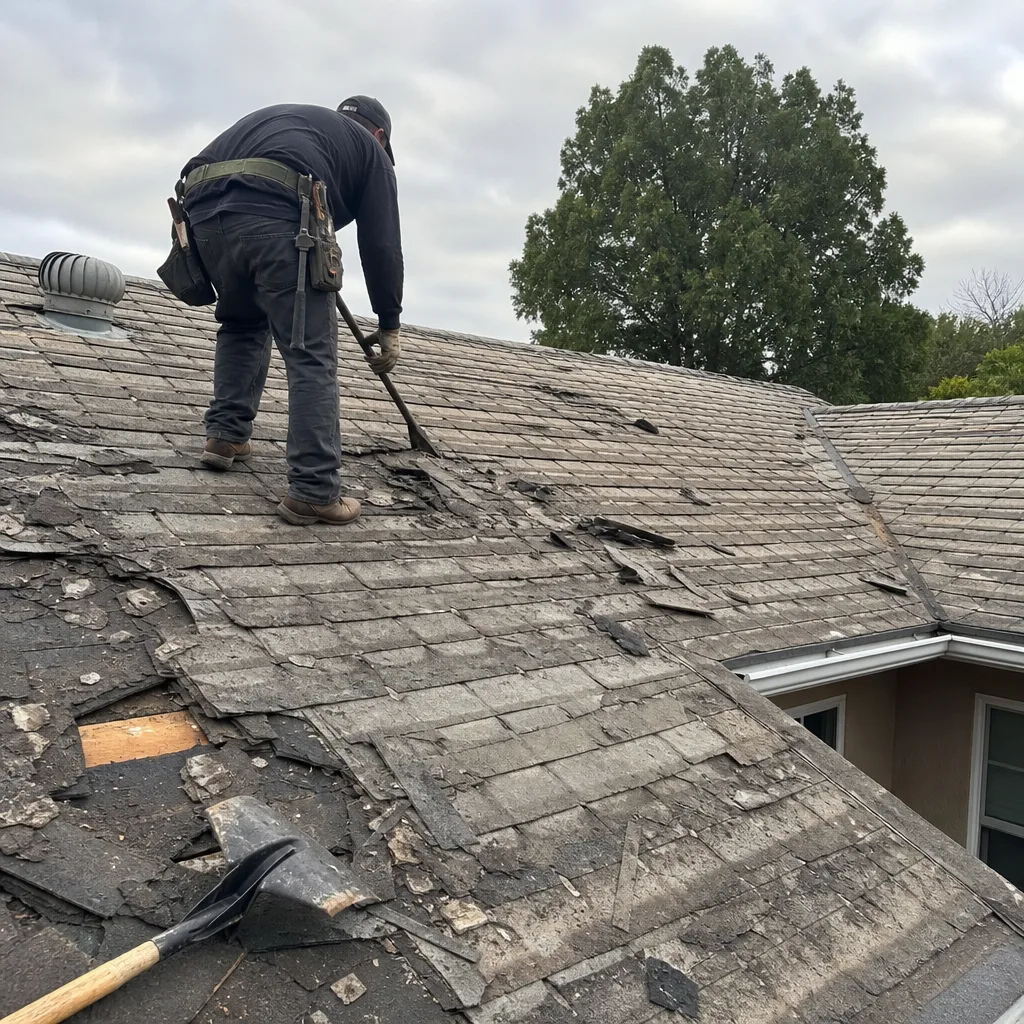 Before
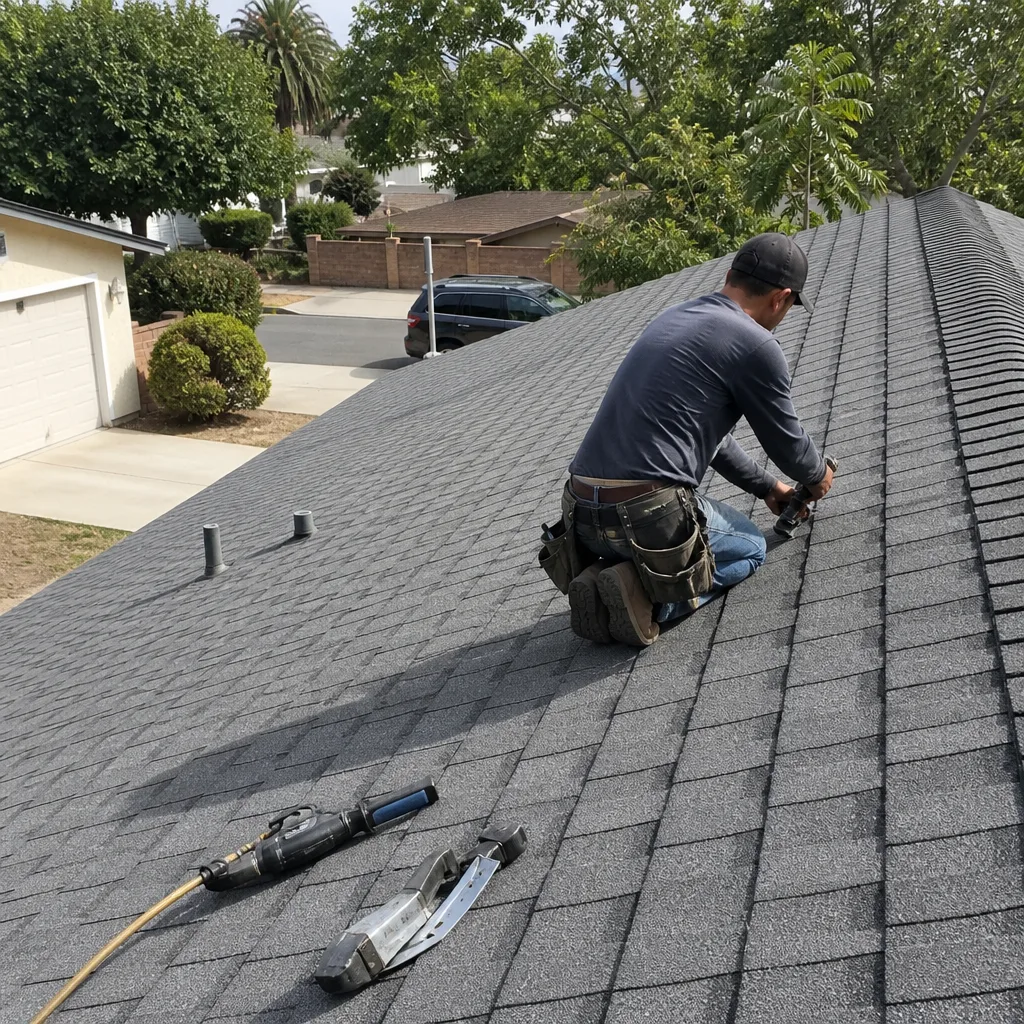 After
After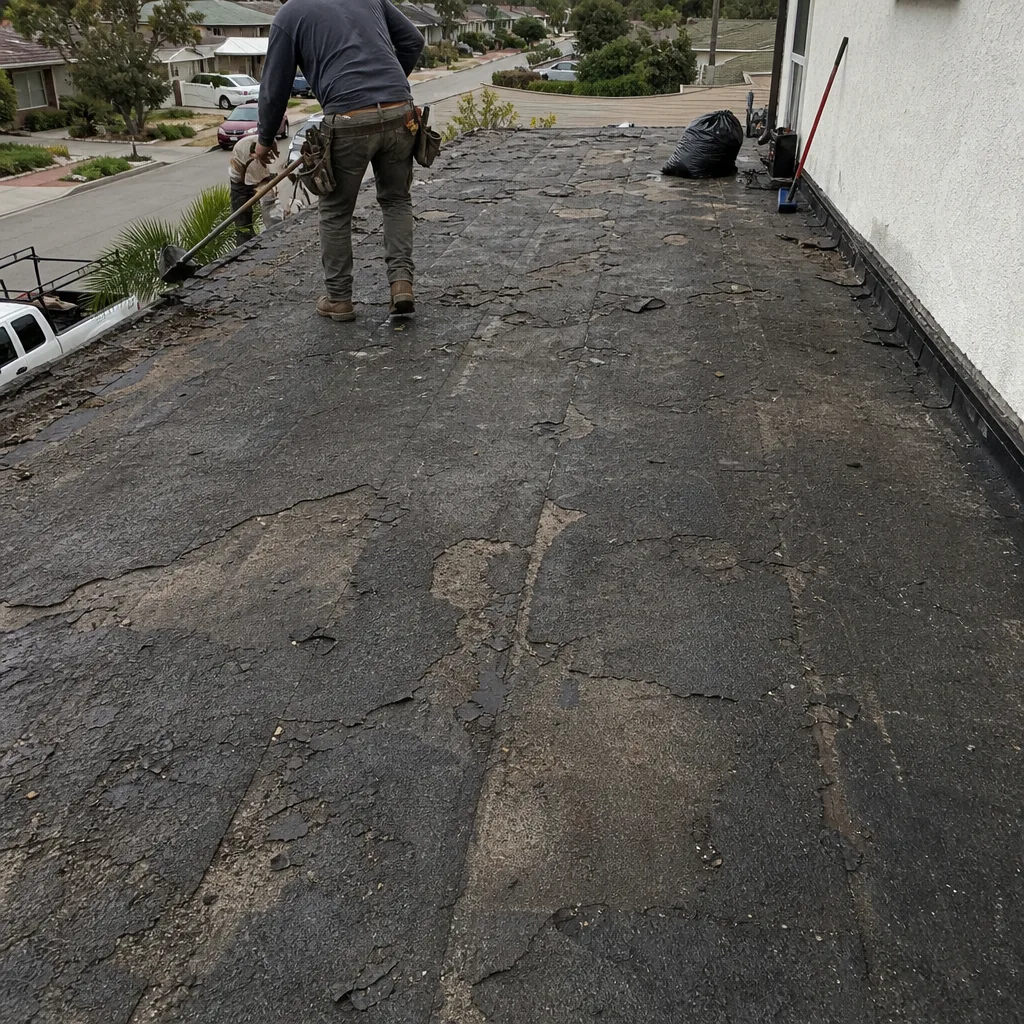 Before
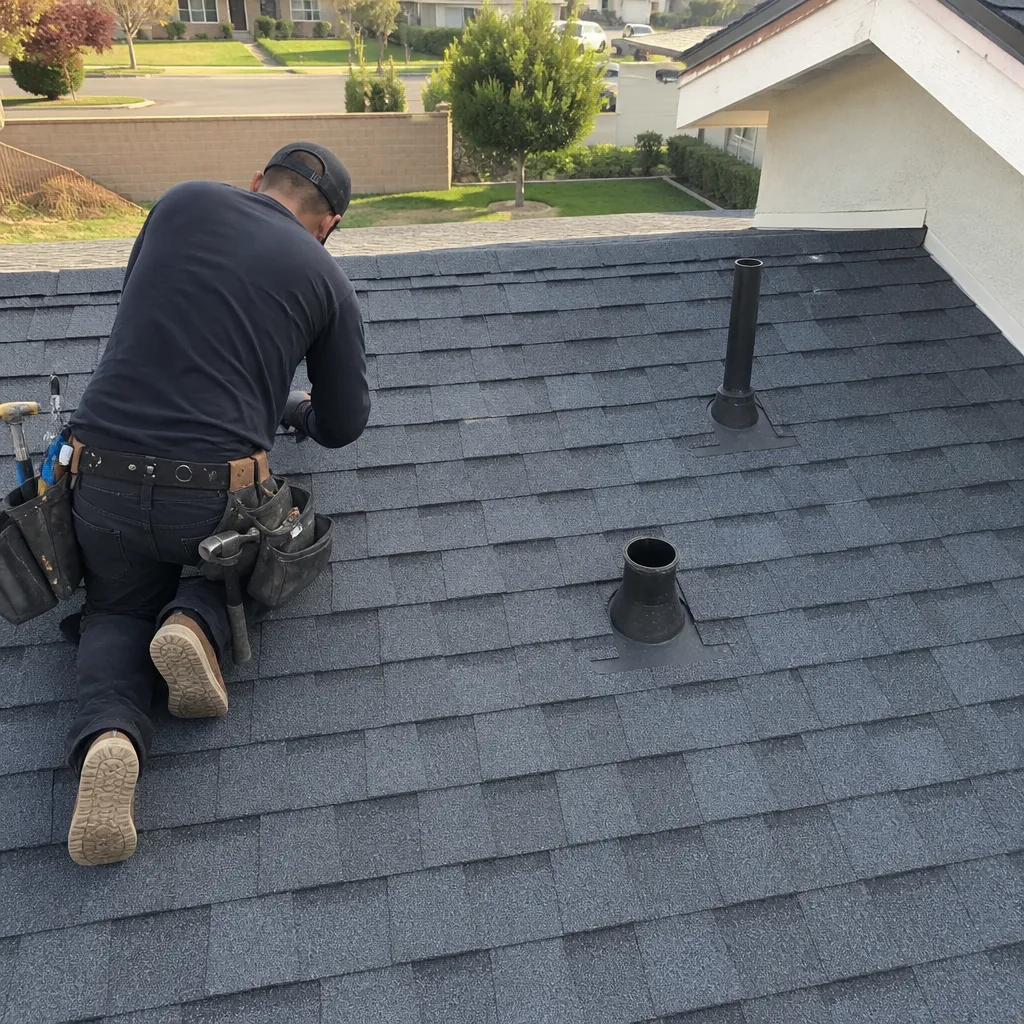 After
After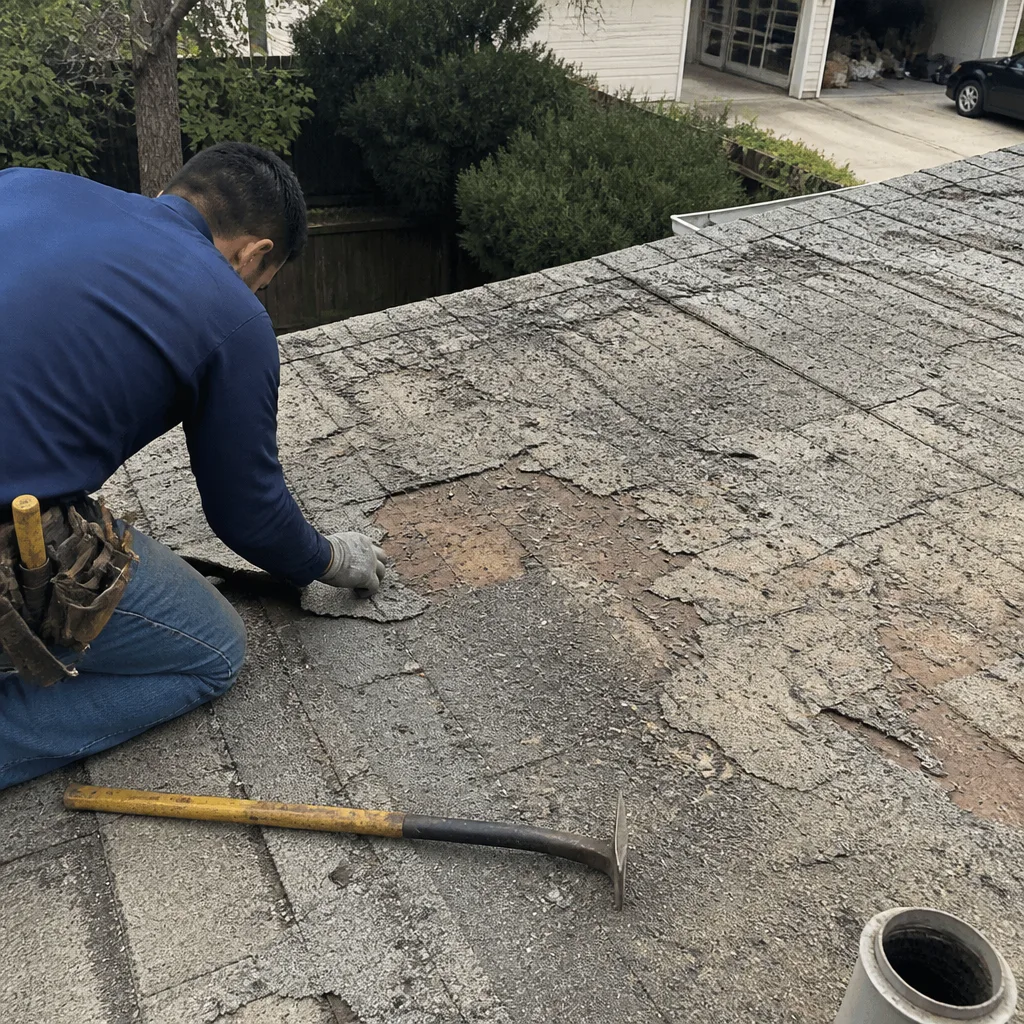 Before
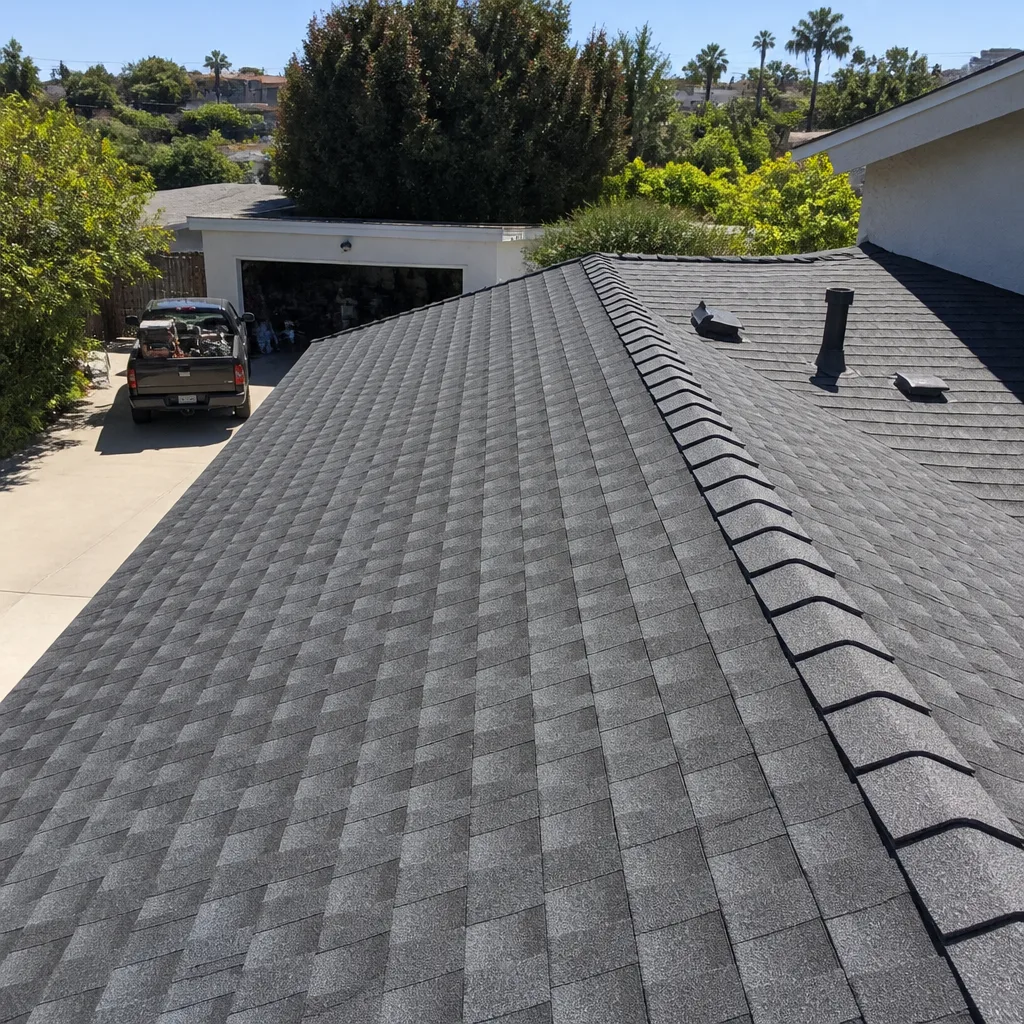 After
After