
Last updated October 17, 2026
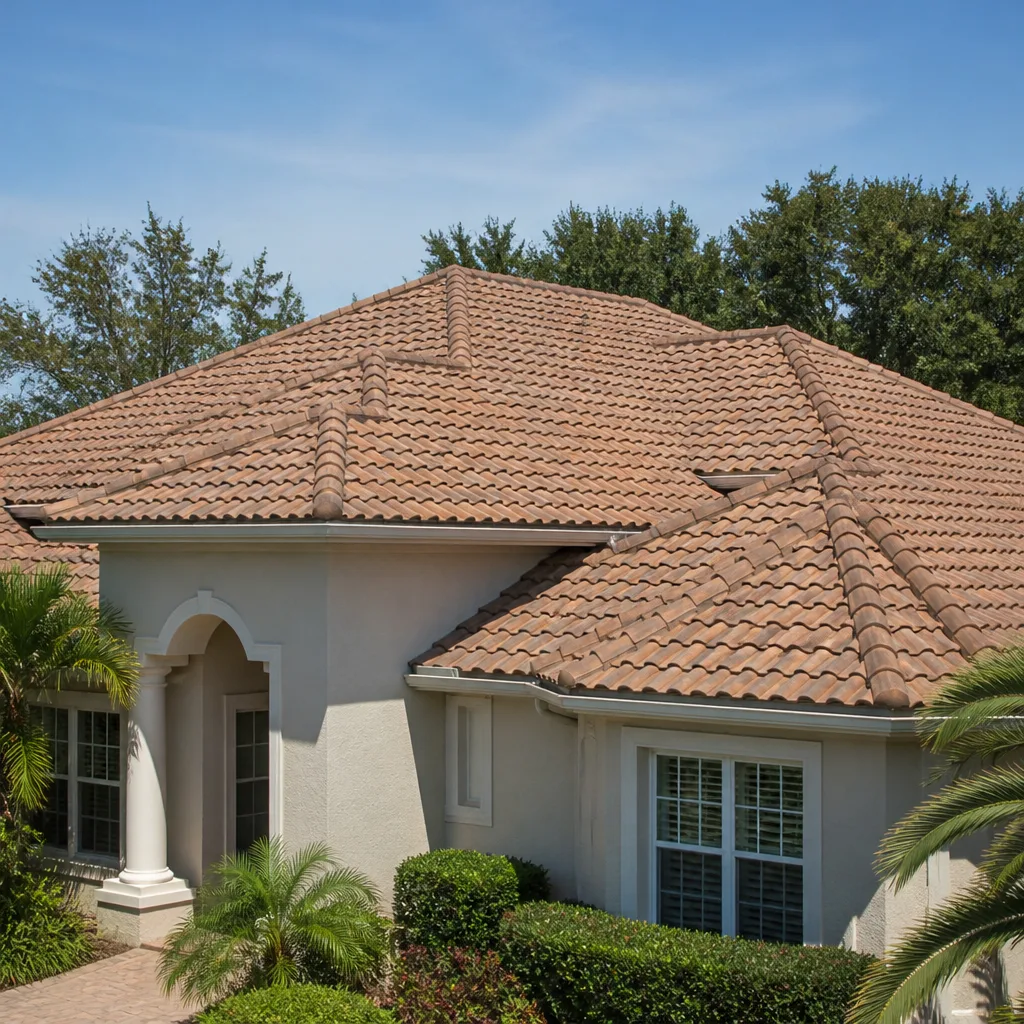 Tile roofing
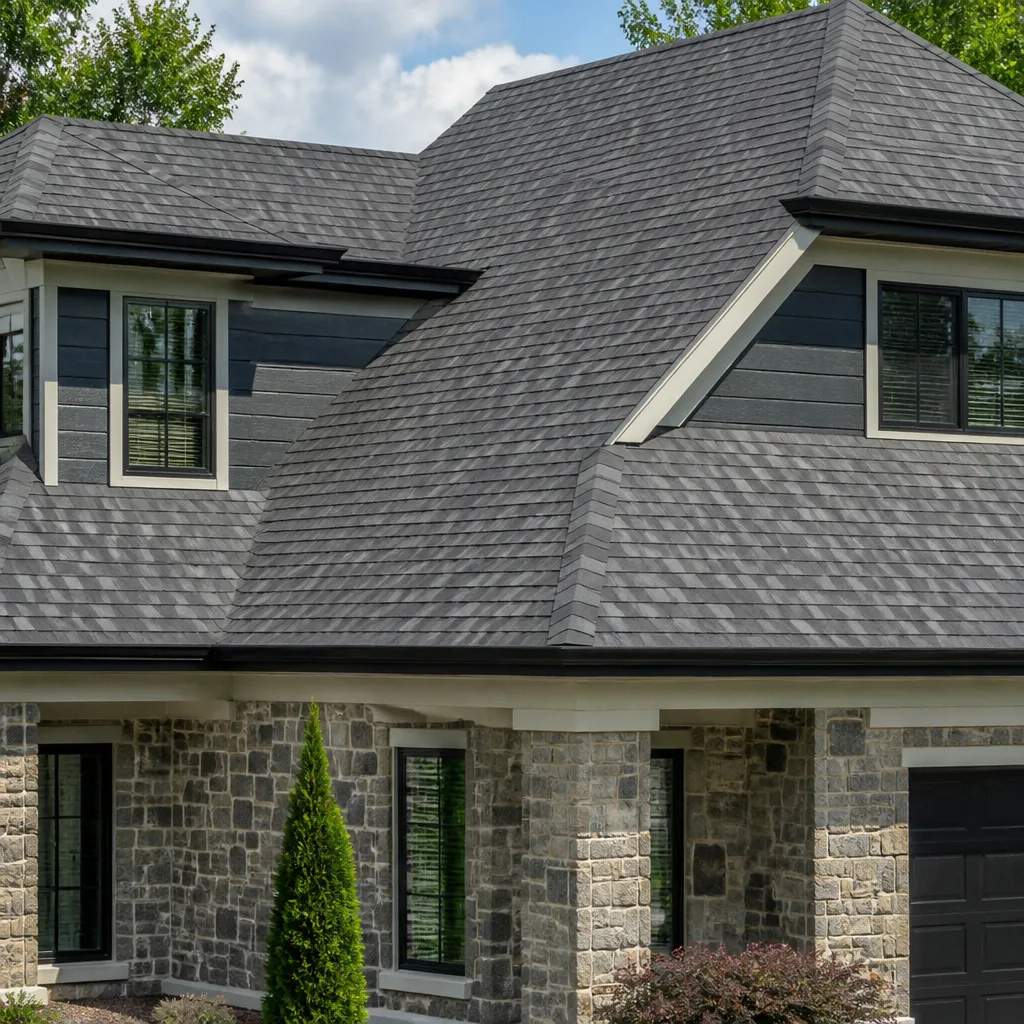 Architectural shingles
 GAF
GAF Owens Corning
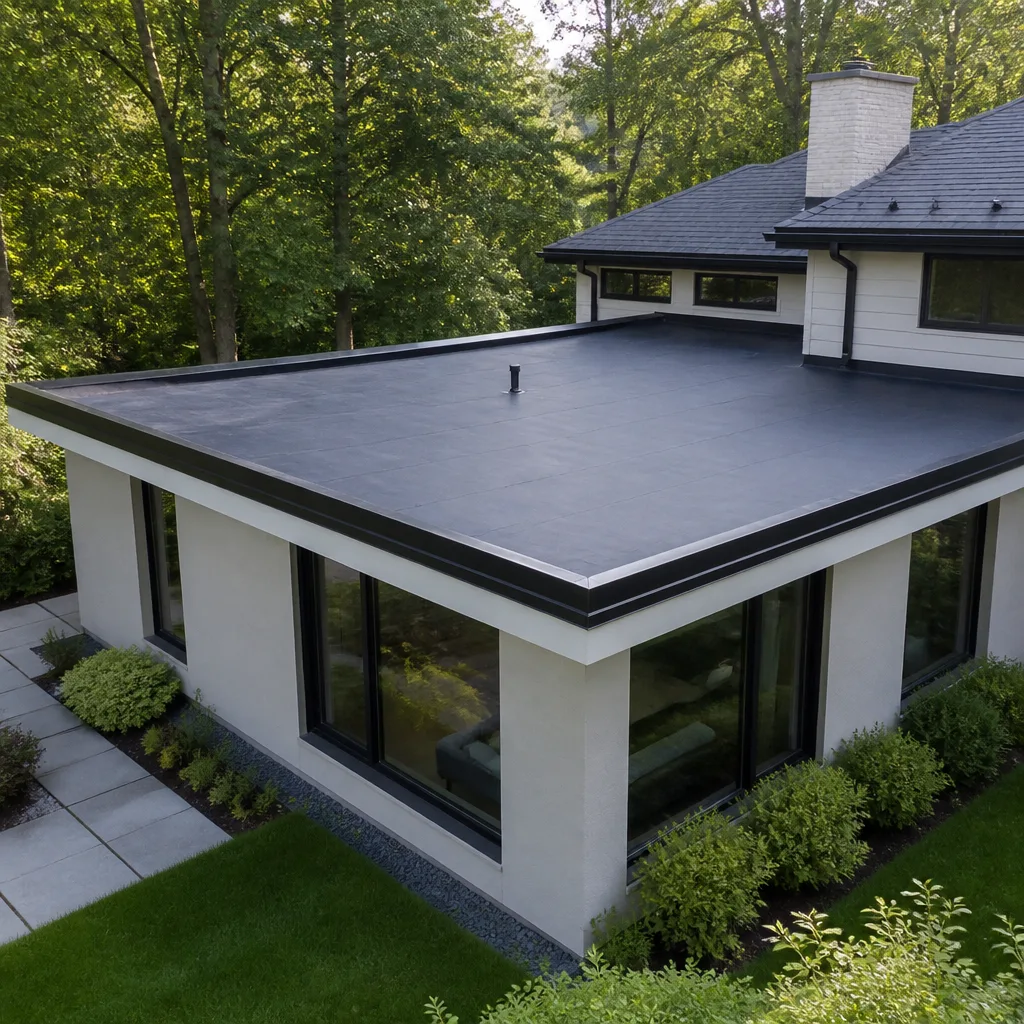 Flat & low-slope
Free roof inspection with deck photos before we talk money - GAF and Owens Corning certified installation
The Complete Guide to Roofing in Ventura
A homeowner in Ventura’s Harbor area and one on Foothill Road live roughly six miles apart, but their roofs face entirely different battles. The harbor roof fights constant salt-laden wind and marine layer moisture. The Foothill roof, when the Sundowners blow, sits at the edge of wildfire country. Most roofing guides flatten Ventura into one generic coastal market, and that flattening costs homeowners real money and real roof life. This guide maps Ventura’s microclimates to actual roofing decisions, so when you choose a material or sign a contract, you’re buying the system your address actually needs.
Quick Answer
The right roof for your Ventura home depends on three factors: your microclimate (coastal, midtown, or foothill), your parcel’s fire hazard severity zone designation, and whether you want a code-minimum roof or an energy-performing one. Most Ventura homes benefit from Class A fire-rated composite or concrete tile, but the underlayment, flashing details, and ventilation requirements shift meaningfully between the Harbor, Midtown, and the Foothills. Get a written scope of work that names those details before any tear-off begins.
Styles & brands we work with
Table of Contents
- Ventura’s Microclimates: What Your Neighborhood Does to a Roof
- Fire Hazard Zones in Ventura: Why Class A Is the Floor, Not the Ceiling
- Cool Roofs and Title 24: Separating Compliance Coatings from Real Energy Systems
- Roofing Materials That Work in Ventura (and Which Ones Fight the Climate)
- What a Written Scope of Work Should Include for a Ventura Job
- Ventura Permits: How Building & Safety Timing Affects Your Project
- What Roofing Costs in Ventura, Line by Line
- Common Mistakes to Avoid
- When to Call a Professional
- Frequently Asked Questions
Ventura’s Microclimates: What Your Neighborhood Does to a Roof
Ventura isn’t one climate. It’s a narrow coastal shelf that climbs fast into dry chaparral hills, and the roofing stress shifts block by block. We’ve walked roofs in Midtown that showed almost no corrosion after fifteen years, then driven ten minutes north to Foothill Road and seen the same brand of flashing pitted from wind-driven ember exposure during a 2017 Thomas Fire evacuation scare. The lesson: buy the roof for your ridge line, not for “Southern California.”
The three zones of Ventura roofing
Harbor, Pierpont, and the Avenues (marine influence): Salt air and overnight marine layer damp are the story here. The salt corrodes exposed metal fasteners and flashing faster than any other Ventura climate factor. The marine layer keeps roofs damp into late morning, which feeds moss and algae on north-facing slopes and speeds rot on any organic underlayment that isn’t rated for repeated wetting. Galvanic corrosion at the boundary where two metals meet (say, aluminum flashing against a copper pipe boot) accelerates within a few hundred feet of the water. Composite shingles and standing-seam metal both work here, but only with stainless or painted fasteners, and underlayment rated for high-moisture service.
Midtown, College, and the flats (temperate transition): This is the most forgiving zone. Less salt, less extreme heat, fewer Sundowner gusts. Most standard Class A systems perform well in Midtown with standard underlayment and fasteners. The bigger problem here is deferred maintenance. Because roofs in this zone don’t fail dramatically, homeowners push inspections to the eight-year mark and discover a $1,400 flashing repair that should have been a $300 repoint. If you live in Midtown or College, the roof isn’t trying to fight you, which means you have to be the one who stays disciplined. Our roof repair work in Ventura is mostly this zone, and it’s rarely the shingle itself. It’s a boot, a cricket, a valley detail that got ignored.
Foothill Road, Ondulando, and the east hillsides (wind and ember exposure): The Sundowner winds that pour down the Santa Ynez Mountains in fall push 50 to 70 mph gusts through these neighborhoods. That wind drives embers from a fire miles away into roof cavities, and it lifts edges of shingles that weren’t nailed to high-wind nailing patterns. If your roof predates the 2016 or 2019 California Building Code updates, there’s a real chance the edge nailing and the eave-to-peak fastening pattern don’t meet current high-wind requirements. A roof in this zone should have a peel-and-stick underlayment at the eaves in addition to the field underlayment, and the first course of shingles should be sealed to that membrane. We inspect this on every roof replacement in Ventura in the eastern hills.
The difference isn’t academic. A homeowner on Pierpont who installs a wood shake roof is fighting salt, rot, and fire risk simultaneously. A homeowner on Foothill who installs a thin 30-pound felt underlayment under a “premium” shingle is putting all the money in the visible layer and skipping the layer that actually survives a wind-driven ember event. Match the system to the street.
Fire Hazard Zones in Ventura: Why Class A Is the Floor, Not the Ceiling
Every roofing material that can legally be installed on a new Ventura residential roof in a designated fire hazard severity zone must carry a Class A rating. That’s the code, and it’s the floor. Class A means the material itself resists flame spread under testing. It does not mean the roof system as installed will stop an ember from finding the gap between the roof and the gutter, or the opening at the ridge where a vent lacks proper screening.
Ventura’s fire hazard severity zones are mapped by CAL FIRE and adopted by the Ventura County Fire Protection District. Parcels in the Foothill, Clearpoint, and eastern canyon areas fall in Very High or High hazard zones. Midtown and the flats are mostly outside the mapped zones, but the 2017 Thomas Fire proved that wind can carry embers a mile ahead of a fire line into neighborhoods that were never labeled “hazard zone” by a map.
Before you sign any roofing contract, check your parcel’s designation. The CAL FIRE Fire Hazard Severity Zone viewer lets you enter your address and see the current map. If your parcel is in a Very High zone, California Building Code Chapter 7A applies. That means, at minimum:
- The roof covering must be Class A rated when the assembly is tested as a system.
- Eave and rake edges must be detailed to prevent ember intrusion.
- Any openings in the roof (gable vents, ridge vents, off-ridge vents, tower vents) need ember-resistant screening with openings no larger than 1/8 inch.
- The underlayment at the eaves must resist flame impingement from a gutter fire, which is why a peel-and-stick base sheet or a fiberglass-reinforced mineral-surfaced cap sheet is standard in these zones.
Here’s the part most guides skip: the material rating and the installed system rating are not the same thing. A Class A shingle installed over a combustible felt underlayment with unscreened gable vents is a roof that will fail in a real ember event. A Class A shingle installed with a non-combustible underlayment lap at the eaves, sealed first course, and 1/8-inch screened vents is a roof that has a fighting chance. The difference shows up in the written scope of work, or it doesn’t show up at all, which is why we put it in writing on every Ventura job. If a contractor can’t tell you their underlayment spec and their vent screening spec, the material brand is just a decal on a package-see our DIY vs Professional Roofing: The Ventura Homeowner’s Decision Guide for why this matters.
Cool Roofs and Title 24: Separating Compliance Coatings from Real Energy Systems
California’s Title 24 energy code requires new roofing in most of Ventura County to meet a minimum solar reflectance and thermal emittance, unless the building is exempt (certain historic structures, steep-slope exceptions, or when the roof is covered by photovoltaic panels on most of the surface). The cheapest way to meet that requirement is a “cool roof” coating or a shingle with a surface granule loaded with reflective pigment. That product meets code. That does not mean it performs.
Here’s the structural difference. A compliance coating scatters visible sunlight but does little for the heat gain that happens through the attic at 4 p.m. when the deck is heat-soaked. A genuine energy-performing roof system does at least two things the compliance coating skips:
- It reflects in the near-infrared band, not just visible light. Most of the sun’s heat arrives as infrared. Cheap cool coatings reflect the visible spectrum, which lightens the color, but they pass infrared through to the deck. A high-quality system from GAF, Owens Corning, or CertainTeed in their cool color lines is tested for total solar reflectance, not just visible reflectance.
- It includes the ventilation layer in the calculation. A reflective shingle on a poorly ventilated roof is like painting a sauna white. The deck still roasts from below. The energy answer in Ventura is a reflective surface plus a balanced intake-exhaust ventilation system, sized for the vented attic area, and that’s where most compliance-only installs stop short of the marked performance number.
For a homeowner in the Foothills or east hills, where afternoon temperatures run 15 to 20 degrees hotter than the Avenues, the difference in attic temperature between a code-compliant coating and a real system can be 25 degrees on an August afternoon. That’s the difference between a second-floor that holds 78 degrees and one that holds 84. If you’re replacing a roof anyway and plan to live in the house more than five years, buy the actual system, and ask for the solar reflectance index of the specific shingle you’re quoted, not the line-level marketing number.
Roofing Materials That Work in Ventura (and Which Ones Fight the Climate)
Every major material has a place in Ventura, but the place changes by microclimate. We work with products from GAF, Owens Corning, CertainTeed, and IKO, and the choice between them is less about brand and more about the specific product line, the elevation, and the exposure. Here’s what we’ve learned walking Ventura roofs from the Harbor to the ridgeline.
Asphalt composite shingles
The default for most Ventura homes, and for good reason. Modern architectural shingles from GAF Timberline, Owens Corning Duration, or CertainTeed Landmark carry Class A ratings, hold up to coastal moisture when installed over a high-quality underlayment, and install efficiently enough to keep labor predictable. The failure mode in Ventura isn’t the shingle granule surface. It’s the underlayment and flashing details. If the quote spec for the felt weighs 30 pounds and you’re in a fire hazard zone, push back and ask for a synthetic or peel-and-stick base sheet. In the Harbor zone, ask for high-moisture-rated underlayment and stainless fasteners. The shingle itself will probably outlast the components underneath it if those components are cheap.
Concrete and clay tile
Common in the Foothills and eastern Ventura, tile is heavy, lasts decades, and performs well in high wind and fire exposure. But tile is a system, not a product. The tile sheds water into a batten and underlayment system that does the actual waterproofing. If that underlayment fails, the tile looks fine and the roof leaks invisibly for seasons while the deck rots. In Ventura’s marine layer zones, tile on a north slope gathers moisture and moss between the tile battens, which accelerates the underlayment breakdown. Tile works best in the fire-exposed east hills where ember resistance and wind performance justify the weight. If your home in the flats has original 1970s concrete tile, check the underlayment’s age before you ever touch the tile itself. We often find the underlayment is the problem, not the tile.
Standing seam metal
Great in the Harbor and Pierpont zones where salt air chews exposed fasteners on conventional roofing. Standing seam panels use concealed clips, which removes the exposed-fastener corrosion point. But the panel and trim metals must be matched for galvanic compatibility. Aluminum panels with stainless clips and copper-accent trim are three different metals, and the boundaries will corrode in salt air if not isolated. Metal also reflects solar gain beautifully and pairs well with the Title 24 discussion above. The tradeoff is cost: expect standing seam metal to run 2 to 2.5 times the installed cost of composite shingles on the same Ventura roof, and the contractor pool that installs it correctly is smaller. Choose a roofer who has installed it more than twice.
Flat and low-slope roofing
The ranch and mid-century homes in College and the east flats often have low-slope sections over porches, carports, or additions. These areas need a modified bitumen, TPO, or built-up system, not shingles. The #1 mistake we see from homeowners and handyman repairs is shingling a surface below the shingle minimum pitch. No shingle manufacturer warrants their product below 2:12, and in practice 3:12 is the lowest we’re comfortable with in a Ventura marine layer zone. If your low-slope section is older than 15 years, budget its replacement into the rest of the roof project rather than patching it. A patch on a low-slope roof is just a delayed leak.
The material conversation always circles back to the same point: pick the product for your microclimate, then pick the components underneath it with more care than the visible surface. A cheap underlayment under a premium shingle is not a premium roof.
What a Written Scope of Work Should Include for a Ventura Job
A roofing contract is not the same as a written scope of work. The contract binds the price and the parties. The scope says exactly what the crew will do, what materials they’ll use, and what condition the home will be in when they leave. If your contractor won’t produce a written scope before starting, the handshake is where every dispute will later begin.
Here’s what a complete written scope of work should name, line by line, for a Ventura roof replacement:
- Underlayment specification, by weight and brand. “30-pound felt” and “peel-and-stick at eaves to 24 inches” are two different roofs. The scope should say which and where.
- Flashing details per penetration. Every chimney, pipe boot, skylight, and valley needs a named specification: metal type, gauge, and method. If the chimney has a wide face, a cricket should be named explicitly with its framing and flashing spec.
- Drip edge and eave metal. Name the material (aluminum, galvanized, painted steel) and the condition of the existing metal that will remain. If the drip edge is reusable, the scope should say so and define “reusable” by inspection criteria.
- Ventilation calculations. The scope should include the existing vented attic area and the proposed intake and exhaust area in square inches, or name the specific ventilation products going in and their net free area. “Balanced ventilation” written without numbers is a slogan.
- Tear-off and deck inspection. The scope should state when the deck will be inspected after tear-off, who makes the call on rotted sheathing replacement, and the per-sheet price for replacement wood. That per-sheet number should be in the contract too.
- Clean-up process, named in writing. Shoe covers and drop cloths at every entry used by the crew, photo of the completed clean-up before the crew leaves, and the specific path all debris takes from the roof to the truck. If you have pets, the scope should note the door schedule for pet access. These are the details homeowners worry about more than the shingle brand, and any roofer who can’t write them down hasn’t done enough jobs around kids and dogs.
- Warranty terms and the repair standard. Manufacturer material warranties are pass-through. The roofer’s workmanship standard should be its own named guarantee. If the work isn’t right, the scope should say who fixes it and under what conditions.
On a Ventura Foothills job, we add an ember-screening spec to every vent in the scope. On a Harbor job, we add the fastener material (stainless) and the corrosion isolation at metal transitions. The scope is where the microclimate conversation becomes a binding document. If a bid comes back as “25 squares of GAF Timberline, full replacement, $18,000,” you don’t have a scope yet. You have a number with a shingle name attached. Ask for the document that lists what I just listed, and if the contractor bristles, call someone else.
Ventura Permits: How Building & Safety Timing Affects Your Project
Any roof replacement in the City of Ventura requires a building permit from the Building & Safety Division, located in City Hall on Poli Street. Repairs that don’t alter the structure (like replacing a section of shingles or repointing flashing) generally don’t require a permit, but once you’re doing a full tear-off, the permit attaches.
The Ventura permit process for a re-roof is typically faster than a full addition or structural remodel, but it’s not same-day. The Building & Safety Division reviews the roof assembly for compliance with the Ventura Building Code and, when applicable, Chapter 7A fire requirements. Plan review for a straightforward re-roof often runs 5 to 10 business days, and the inspection happens after the old roof is off and the underlayment and flashings are installed, before the final surface goes down. That inspection is the legal protection for the homeowner. When a contractor pulls the permit, the contractor’s name and license are attached to the permitted work, and the inspection record becomes public. If the work fails inspection and the contractor disappears, the permit record is evidence. If you pull the permit yourself as an owner-builder, you take on legal responsibility for code compliance, and your insurance position changes if something goes wrong on the roof. In our experience, the homeowner-pulled permit for a full reroof is almost never the right financial call, but it’s common on contractor-brokered flips where the seller wants to avoid leaving a paper trail. If a contractor suggests you pull the permit, ask why, in writing.
Permit timing also affects scheduling. A Ventura reroof in the September-to-December window when the Sundowner season is winding down and the marine layer is thinning is the busiest permit season. Plan for the permit in your schedule, not after you’ve signed the contract. If the contractor says permits take three weeks and they can start in two, the schedule is fictional.
What Roofing Costs in Ventura, Line by Line
Roof pricing in Ventura runs on a per-square basis (one square is 100 square feet), plus the costs that don’t show up in the per-square number: tear-off, deck replacement, flashing, and permit fees. The numbers below reflect what we see in the Ventura market for 2024 and early 2025 on a typical 2,000-square-foot single-story home.
| Component | Typical Ventura Range | Notes |
|---|---|---|
| Tear-off and disposal (1 layer existing) | $2,000 – $3,800 | Higher inside city limits where dumpster placement is tighter; higher for tile tear-off |
| Underlayment and accessories | $1,800 – $3,600 | Peel-and-stick at eaves adds $0.75 – $1.25 per sq. ft. at the eave zone |
| Composite shingle material (architectural class) | $4,200 – $7,200 | GAF Timberline, Owens Corning Duration, CertainTeed Landmark, IKO Cambridge quality tier |
| Labor for shingle roof system (typical 20-25 square roof) | $5,000 – $9,000 | Higher on steep-pitch roofs above 8:12 |
| Deck replacement (per 4×8 sheet, rot repair) | $95 – $140 per sheet | Usually 3-8 sheets on a 25-year-old Ventura roof |
| New flashing (pipe boots, chimney, valleys) | $900 – $2,200 | Chimney cricket framing adds $400 – $700 |
| Ventilation (intake and exhaust, balanced) | $700 – $1,400 | Often inadequate on 1980s and 1990s Ventura homes |
| Permit and inspection fees (City of Ventura) | $600 – $1,200 | Varies by valuation and zone |
A typical composite shingle replacement on a 2,000-square-foot Ventura home runs $15,000 to $24,000 all in, with standing-seam metal at 2 to 2.5 times that, and concrete or clay tile replacement more variable, usually $28,000 to $45,000, depending on the underlayment condition and existing batten system. These are honest everyday ranges for Ventura, not the national averages you’ll see on a generic roofing blog, which usually undercount the California code costs and the fire-zone accessories. For local updates, see our more guides & resources. The exact number for your home should be in writing before any work begins, and it should be attached to a scope, not a verbal estimate.
Common Mistakes to Avoid
- Buying for “Southern California” instead of your Ventura neighborhood. A $22,000 roof spec chosen for the right microclimate will outperform a $30,000 one chosen from a generic coastal brochure. Match the underlayment, fasteners, and vent specs to your address, not to the marketing page.
- Skipping the underlayment inspection. The shingle gets all the attention and the underlayment is what actually sheds water. In Ventura’s marine zones, a 20-year-old felt underlayment is the leak source more often than the shingle above it.
- Letting a low-slope section get shingled. If the pitch is below 3:12 and someone says they can shingle it, the leak is a matter of when, not if. Use the proper low-slope system.
- Pulling the permit yourself to save money on an investment property. The legal exposure and the insurance wrinkles aren’t worth the permit fee. The contractor’s license and the public inspection record are your protection.
- Ignoring the vent screens in a fire zone. Class A shingles with open gable vents is a system that passes a material lab test and fails a real ember event. The screens are cheap. The damage isn’t.
- Signing a contract without a written scope. A price with a shingle brand name is not a plan. If it’s not written, it doesn’t exist when something goes wrong.
When to Call a Professional
A roofing problem usually announces itself politely at first: a damp spot on the ceiling, a few granules in the gutter, a nail you can see backed out of a shingle. Those are the right moments to call, because the $600 repair arrives before the $6,000 consequence. Call a professional if you see daylight in the attic, if the roof is sagging between rafters, if water stains appear after a rain, or if your last inspection is more than four years old in the coastal zones or two years old in the fire and wind zones. If the roof is leaking, place a bucket and move anything valuable to the side, but don’t walk the roof yourself, especially not after dark or when the marine layer has it slick. Birchbark Roofing Ventura offers free estimates across the city, and you can reach a live person at (350) 240-5534 any time.
Frequently Asked Questions
Most Ventura composite shingle replacements run $15,000 to $24,000 on a typical 2,000-square-foot home, with metal and tile systems running significantly higher. The exact number depends on your roof’s pitch, deck condition, underlayment spec, and fire zone. A written estimate after a roof inspection is the only number that means anything, and it should always be free.
Most active leaks can be temporarily secured same-day to stop water intrusion, with the full repair completed within the same week. Roof repair in Ventura for a pipe boot or flashing issue is often a half-day job once the leak point is identified. Call (350) 240-5534 and a live person answers, not a voicemail tree.
Check the CAL FIRE Fire Hazard Severity Zone viewer with your address, and cross-reference the Ventura County Fire Protection District’s current map. Homes in the Foothill, Clearpoint, and eastern canyon areas are most likely to be in Very High or High zones. If you’re in a mapped zone, Chapter 7A requirements apply to your re-roof, including the underlayment spec and ember-resistant vent screens.
Yes, any full roof replacement in the City of Ventura requires a building permit from the Building & Safety Division on Poli Street, with an inspection after the underlayment and flashing are installed. Repairs that don’t alter the structure generally don’t require a permit. Your contractor should handle the permit and their license should be attached to it.
A cool roof coating reflects visible light and meets the letter of Title 24. A real energy-performing roof reflects near-infrared heat and pairs with balanced attic ventilation. In the hotter east Ventura zones, that difference can be 20 to 25 degrees of attic temperature on an August afternoon.
Most Ventura re-roofs take 2 to 5 working days from tear-off to final inspection for a single-story home with standard pitch, with an additional 5 to 10 business days for permit review before the job starts. Tile tear-offs and steep pitched roofs run longer. The flatter and simpler the roof, the tighter the schedule.
The Bottom Line
Ventura is a collection of microclimates wearing one city name, and the roof that belongs on a Harbor property is not the same roof that belongs on Foothill Road. Salt air, Sundowner wind, and fire hazard zones all write requirements into your roof spec that a generic guide never names. The material brand matters less than the underlayment, flashing details, vent screens, and clean-up plan written into your scope. A written price, a written scope, and a permit attached to the contractor’s license are the three papers that protect you. Everything else is marketing. If you want an inspection and a written quote that names your microclimate, call Birchbark Roofing in Ventura at (350) 240-5534. We’ll walk the roof, write the scope, and show you the price before anything starts.
Written by Erik Lindgren, Owner at Birchbark Roofing Ventura, serving Ventura since 2000.
See the difference
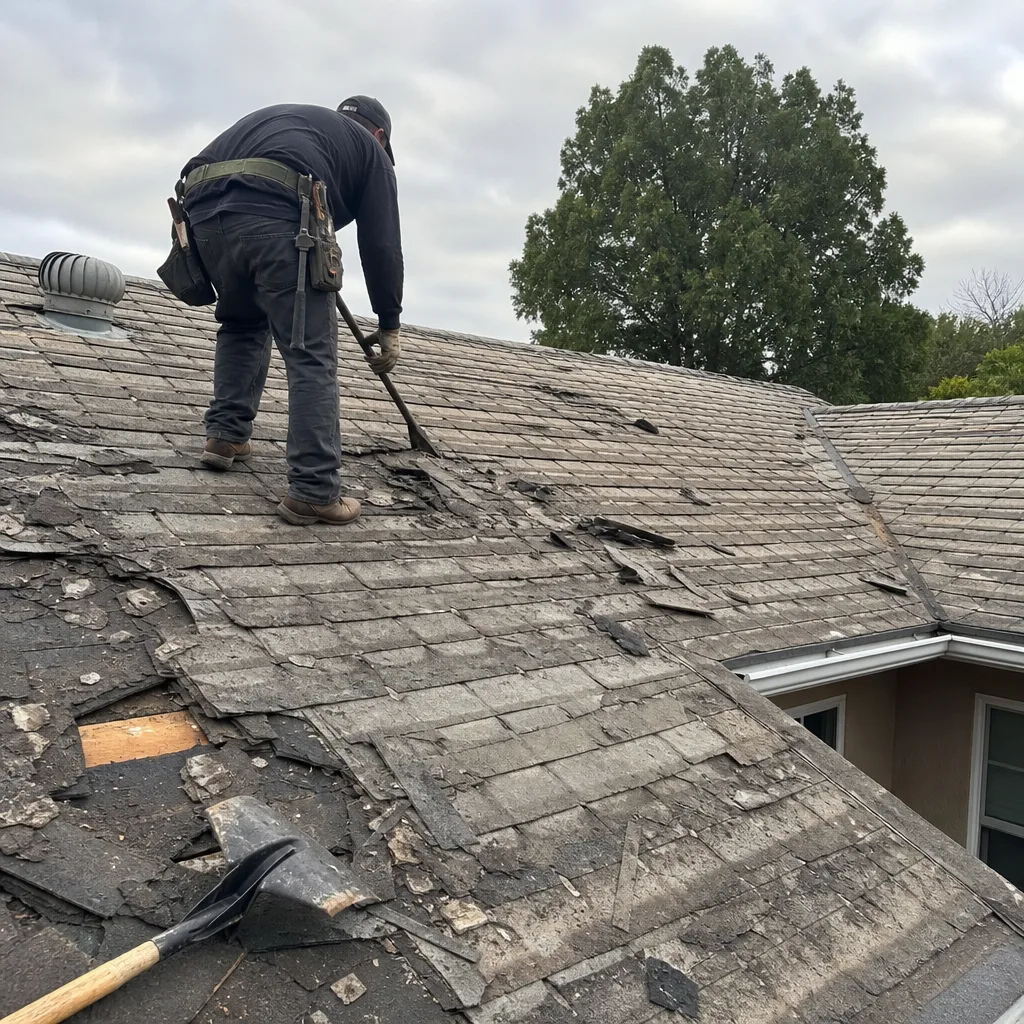 Before
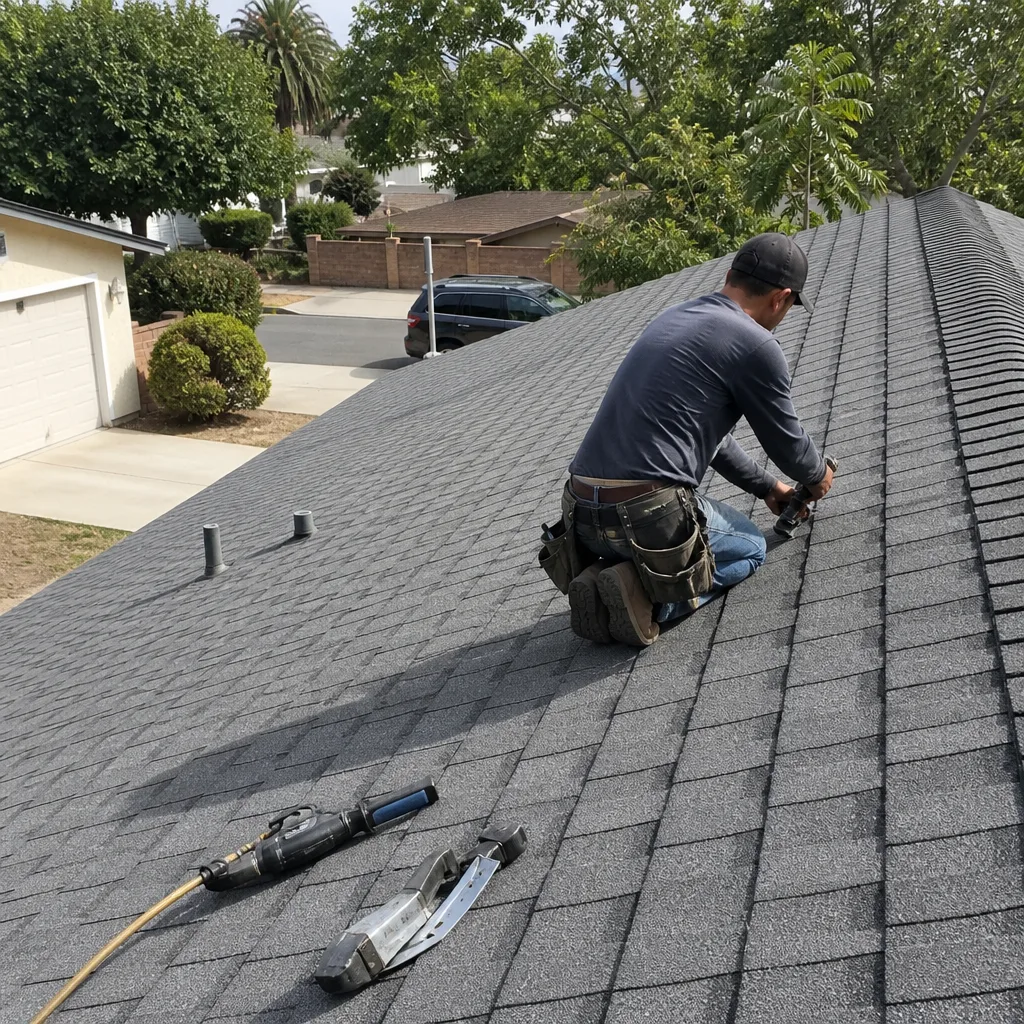 After
After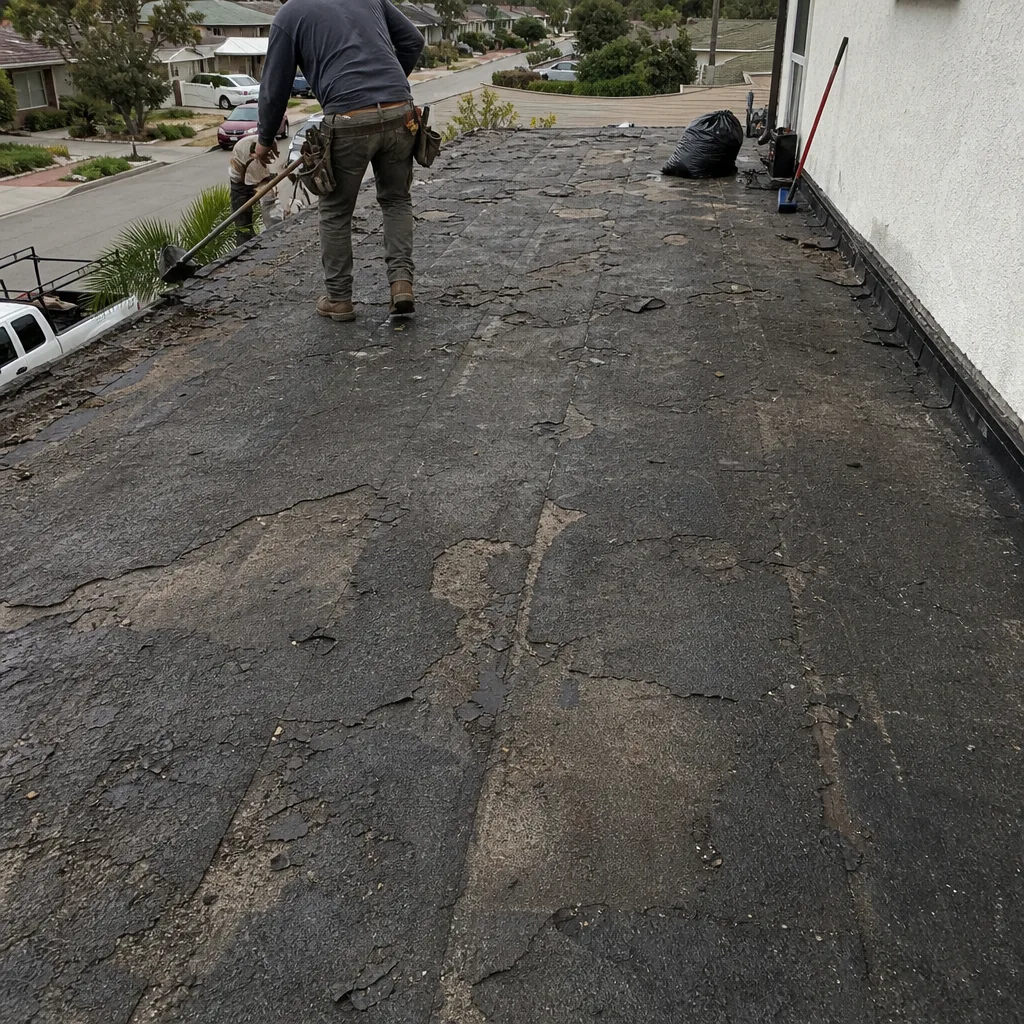 Before
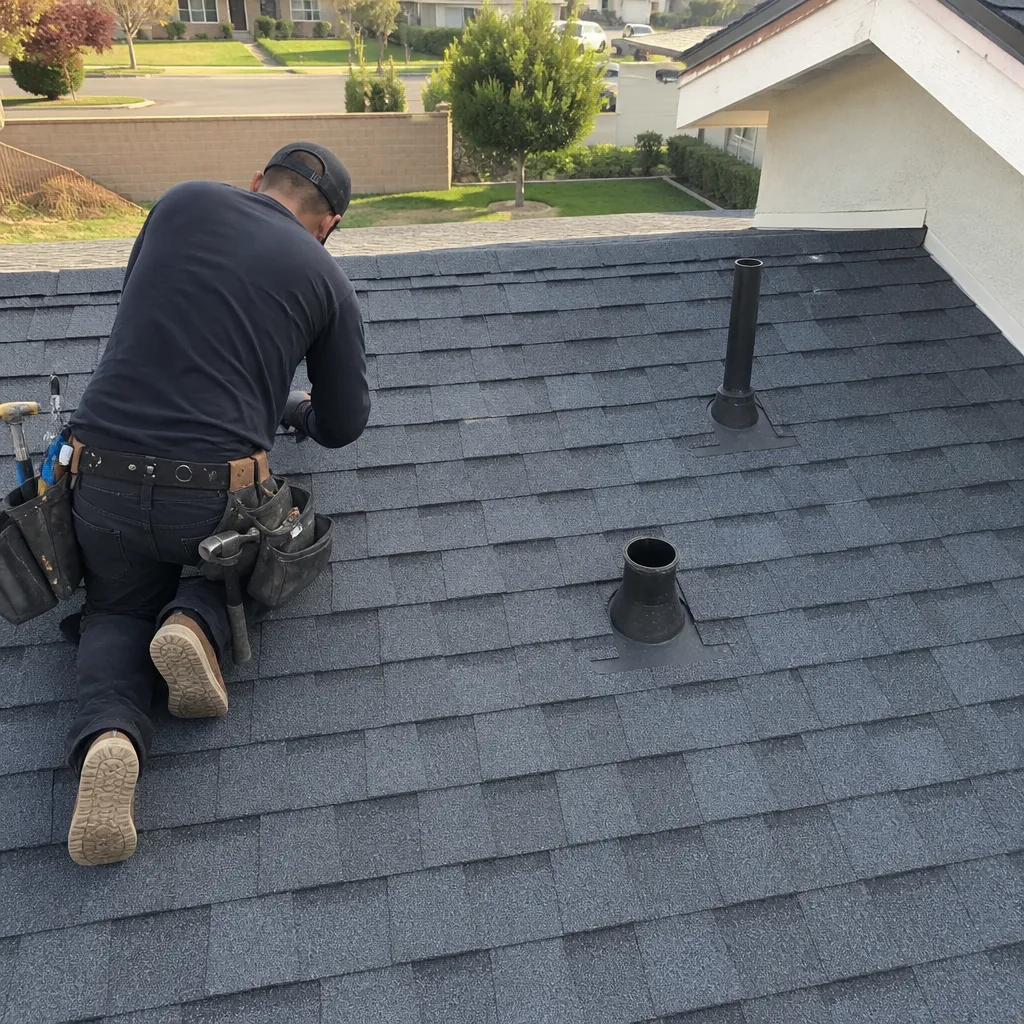 After
After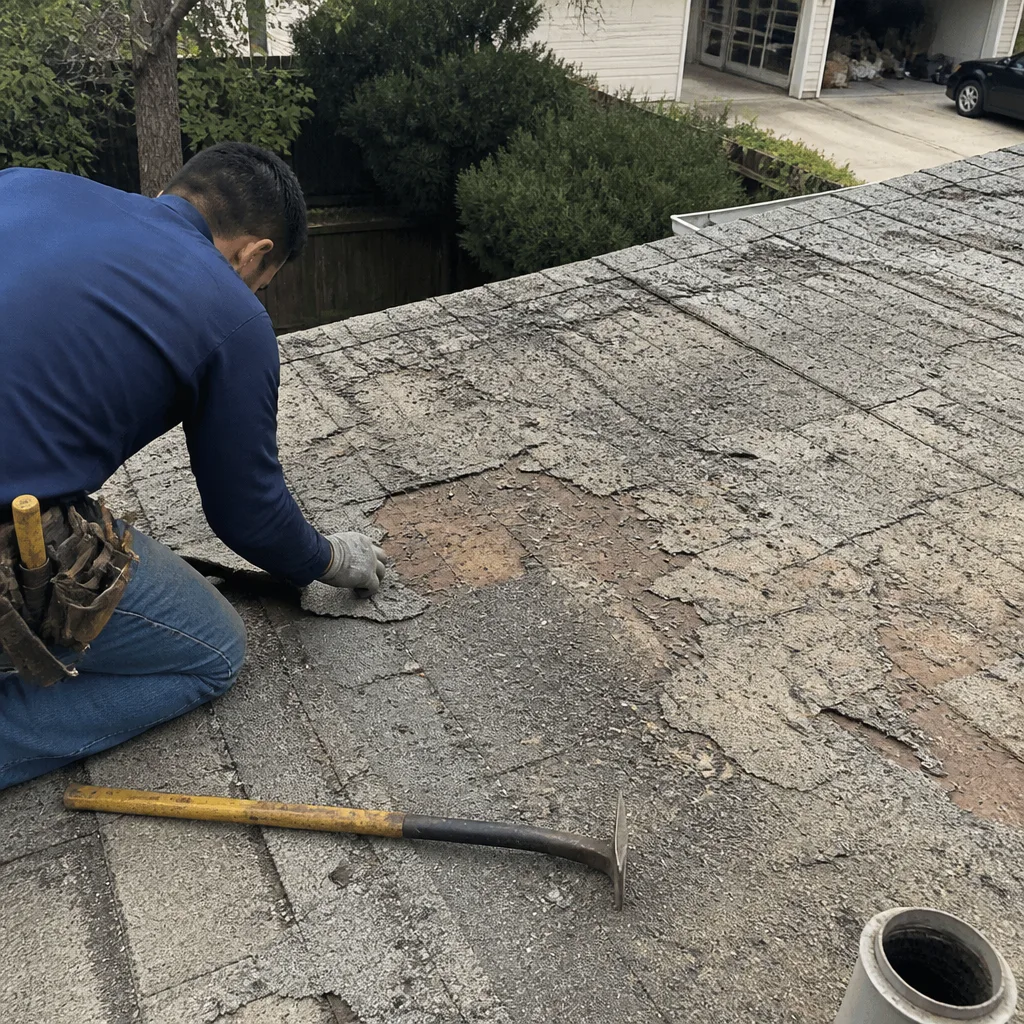 Before
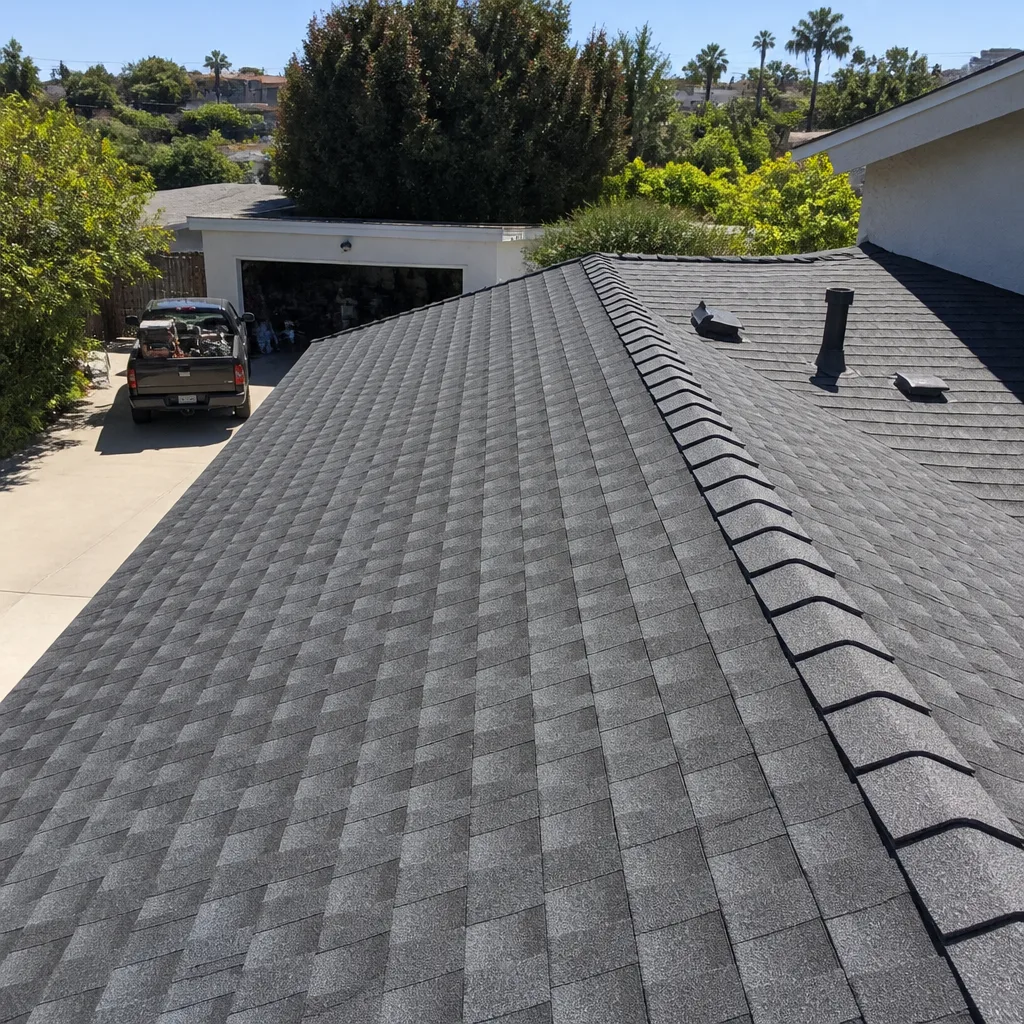 After
After